Owner’s manual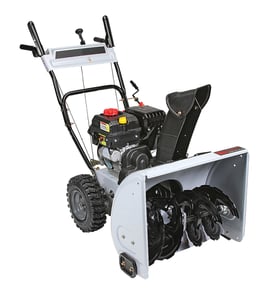





What is the typical lifespan of a gas snowblower?
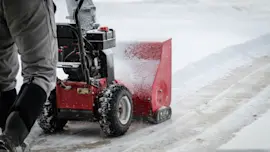
A typical gas snowblower lasts 10 to 20 years when it is maintained and stored correctly. For your MTD E640F gas snowthrower, routine service (fuel care, belt and friction drive checks, and off-season storage) is what most directly determines whether it reaches the high end of that range; see the owner's manual.
- 10 to 20 years is the normal life range for most gas snowblowers.
- Heavy, wet snow, gravel driveways, and frequent use shorten life by increasing wear on the auger/impeller system and scraper components.
- Consistent maintenance extends life by preventing belt slip, drive wear, and fuel-related starting problems.
- Fuel freshness: Use fresh gasoline; fuel can go stale in about 30 days without stabilizer.
- Belts and drive: Inspect for slipping, glazing, cracking, or stretching; replace when worn.
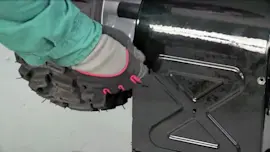
- Friction wheel rubber: Check after about 25 hours of operation and periodically after; replace if worn or cracked.
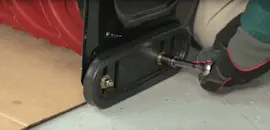
- Shear bolts and auger jams: Clear clogs safely and replace sheared bolts promptly.
- Wear surfaces: Keep the housing set up correctly for your surface; replace wear parts when they thin.
| Symptom | Most common cause | Usually fixable? |
|---|---|---|
| Poor throwing, auger stops under load | Loose/damaged belt, shear bolt(s) sheared, foreign object in auger | Yes |
| Drive won’t pull or slips | Drive cable adjustment, friction wheel rubber wear | Yes |
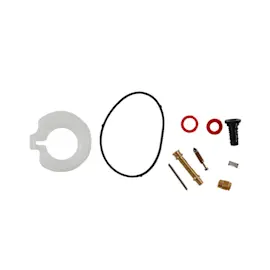
| Hard starting after storage | Old fuel, plugged fuel line, spark plug issues | Yes |
| Excessive vibration | Loose hardware or damage after impact | Sometimes (inspect immediately) |
A snowblower that is still within its normal lifespan is often worth maintaining because many “big” problems trace back to routine wear parts (belts, friction drive rubber, scraper/skid setup) and fuel care, not the engine itself.
Last updated: February 2026
What is the best rated gas snow blower?
There is not one single “best rated” gas snow blower for everyone; the right choice depends on your snowfall depth, driveway size, and whether you want a single-stage or two-stage machine. For an MTD E640F, we recommend matching features like clearing width, drive speeds, and serviceable wear parts to your conditions using the owner's manual.
Use these factors to narrow down the best-rated style for your property:
- Snow depth and type: light, powdery snow vs wet, heavy snow
- Area size: small sidewalks vs long, wide driveways
- Stage type: single-stage for lighter snow; two-stage for deeper snow and plow berms
- Traction and control: tire tread, weight, and number of forward/reverse speeds
- Serviceability: access to belts, skid shoes, scraper (shave) plate, and cables
Ratings typically reward machines that start reliably, throw snow consistently, and hold up over multiple seasons. For two-stage gas snowthrowers like the MTD E640F, owners also value a solid drive system and easy adjustments.
| Feature | Single-stage gas | Two-stage gas (like many MTD units) |
|---|---|---|
| Best for | Light snow, smaller areas | Heavy snow, larger driveways |
| Clearing method | Auger contacts ground | Auger feeds impeller; housing rides on skid shoes |
| Typical tradeoff | Lighter, simpler | More power and capacity; more wear parts |
On the E640F, performance and “like-new” clearing often comes down to setup and wear parts. If the machine rides too high or scrapes poorly, it can leave snow behind even when the engine and auger are fine.
If your E640F is not cleaning down to the surface or is gouging pavement, these parts are the first to inspect and replace as needed:
- Shave plate 790-00120-0637 (scraper edge at the bottom of the housing)
- Skid shoes (set the housing height over pavement or gravel)
- Auger drive belt (slipping reduces throwing distance)
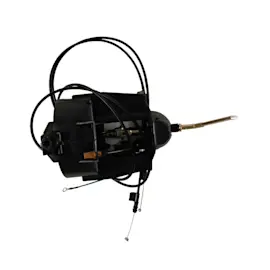
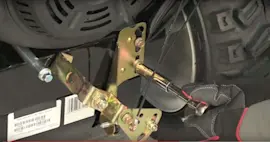
- Cables and linkages (poor engagement reduces auger or drive performance)
Before you decide what is “best rated,” confirm these items match your needs:
- Clearing width fits your driveway and storage space
- Enough forward speeds for deep snow and slush
- Easy chute control and deflector adjustment
- Parts availability for routine maintenance
- Proper operating and adjustment steps in the owner's manual
Last updated: February 2026
Is it worth fixing an old snowblower?
Yes, it’s worth fixing an older MTD E640F gas snowthrower when the problem is a normal wear item (belts, skid shoes, shave plate, shear bolts) and the machine is otherwise solid. If the repair involves major drivetrain or engine work and the total cost approaches about half the price of a comparable replacement, replacement is the better value.
- Fix it if the issue is wear-and-tear: belts, skid shoes, shave plate, cables, fasteners
- Fix it if the engine starts reliably and has good power (no heavy smoke, no severe knocking)
- Fix it if the auger stopped after a jam and you suspect shear bolts did their job
- Replace it if the auger gearbox, drive system, or engine needs major internal repair
- Replace it if the frame/housing is badly rusted, cracked, or bent (poor long-term reliability)
The E640F manual calls out several service items that are designed to be replaced as they wear.
| Symptom | Likely cause | Typical fix |
|---|---|---|
| Augers won’t turn after hitting ice/object | Shear bolts sheared | Replace shear bolts with the correct type (never standard bolts) using the guidance in the owner's manual |
| Poor scraping, leaves snow behind | Worn shave plate or skid shoes | Replace and re-level skid shoes; replace shave plate if thin or uneven |
| Auger/impeller stops under load | Worn or stretched auger belt | Replace the belt and inspect the other belt condition at the same time |
- [Belt] (auger drive belt) for slipping or no auger drive
- [Skid shoe] to restore proper scraper height and protect the housing
- [Shave plate] if the leading edge is rounded, uneven, or worn thin
A snowblower that’s mechanically sound but held back by worn wear-parts can feel “worn out” even though it only needs basic maintenance. Replacing the correct wear items restores throwing performance, protects the auger housing, and helps prevent bigger failures caused by running out of adjustment.
Last updated: February 2026