Owner’s manual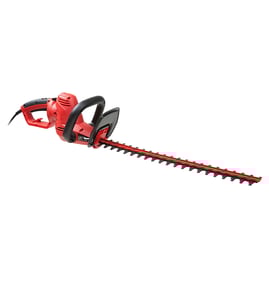

What length blade for hedge trimmer?
The Craftsman hedge trimmer model 358795792 uses a 19-inch blade, which is a versatile length for routine hedge shaping and trimming. In general, shorter blades give better control in tight areas, while longer blades cover more hedge per pass.
Blade length: what to choose and why
A 19-inch blade is a common “all-around” size. Use these guidelines when comparing hedge trimmers:
- 15 to 18 inches: best for small shrubs, detail work, and tight spaces
- 19 to 22 inches: best for most homeowner hedges (good reach and control)
- 24 inches and up: best for long, flat hedges where speed matters more than precision
For model-specific specs and safe operating limits, use the 358795792 operator's manual.
How blade length affects performance
Longer is not always better. Blade length changes how the tool feels and cuts.
| Blade length | Control | Speed on long hedges | Best use |
|---|---|---|---|
| 15–18 in. | High | Medium | Tight shaping, smaller plants |
| 19 in. | High | High | General trimming (most yards) |
| 24+ in. | Medium | Very high | Long hedge runs, wide surfaces |
Important cutting limit for this model
Even with the right blade length, cutting branches that are too thick can overload the trimmer.
- Avoid cutting branches larger than 7/16 inch in diameter
- Use the minimum throttle needed for effective cutting
- Do not run at full throttle longer than 30 seconds at a time; let it return to idle briefly
Why it matters
Choosing the right blade length helps you trim faster with less fatigue, but it also improves safety and cut quality. Matching blade length to hedge size reduces binding, uneven cuts, and strain on the engine.
Last updated: January 2026
Which hedge trimmer cuts the thickest branches?
For the Craftsman hedge trimmer model 358795792, the thickest branch it is designed to cut is 7/16 inch diameter; for thicker branches, we recommend using a different tool (typically a lopper, pruning saw, or small chainsaw) instead of stepping up to a “stronger” hedge trimmer. See the 358795792 operator’s manual.
What “thickest branches” means for this model
This Craftsman 358795792 is a 25cc 2-cycle hedge trimmer with a 19-inch blade, and its cutting capacity is limited by the blade and gearbox design.
- Maximum recommended branch diameter: 7/16 inch
- Best use: trimming green growth and small woody stems
- Not recommended: forcing the blade through thick, dry, or hard wood
- If you routinely cut thicker material, switch tools rather than overloading the trimmer
How to choose the right tool by branch size
Use this quick guide to avoid stalling, clutch wear, and premature blade/gear damage.
| Branch diameter | Best tool | Why |
|---|---|---|
| Up to 7/16 in. | Hedge trimmer (like 358795792) | Clean trimming without overloading |
| 1/2 to 1 in. | Loppers | More leverage, cleaner cut |
| 1 to 3 in. | Pruning saw | Controlled cutting, less kickback risk |
| Over 3 in. | Chainsaw | Designed for larger wood |
Tips to get the cleanest cut (without bogging down)
These operating habits help the 358795792 cut as effectively as possible within its limit.
- Use the minimum throttle needed to cut cleanly; avoid “forcing” the blade
- Avoid running at full throttle for more than about 30 seconds at a time; let it return to idle briefly
- Cut in light passes instead of trying to take a thick bite
- Keep the blade sharp and clear of sap and debris
- If the engine surges or stalls, check airflow and fuel delivery (a dirty filter or restricted fuel line can reduce power)
Why it matters
Trying to cut branches larger than 7/16 inch can overload the cutting system and drive components, leading to poor cutting performance and faster wear. Staying within the rated capacity keeps the trimmer safer, smoother, and more reliable.
Last updated: January 2026
Can you spray WD-40 on a hedge trimmer?
Yes; you can spray WD-40 on the blade of your Craftsman hedge trimmer model 358795792 for quick cleaning and short-term rust protection, especially to loosen sap and debris. For actual blade lubrication during use, a dedicated blade lubricant or light machine oil lasts longer than WD-40.
How we recommend using WD-40 (safe, practical steps)
- Turn the ON/OFF switch off and let the engine and muffler cool completely.
- Wear gloves and keep hands behind the hand guard; the blade edges are sharp.
- Brush off clippings first, then spray a light coat on the blade surfaces.
- Wipe off excess so it does not drip onto shrubs or the ground.
- Run the trimmer briefly, then wipe again to remove loosened residue.
- For storage, apply a thin coat and store the trimmer dry.
WD-40 vs. blade lubricant: what to use and when
| Task | WD-40 | Blade lubricant (light oil) |
|---|---|---|
| Remove sap and grime | Good | Good (but slower) |
| Prevent rust in storage | Good | Good |
| Lubricate for cutting (lasting film) | Fair | Best |
| Frequent use around plants | Use sparingly | Preferred |
Why it matters
A clean, lightly lubricated blade cuts cooler and smoother, which reduces drag on the clutch and engine and helps you avoid unsafe conditions like forcing the tool through branches.
Related maintenance to keep 358795792 running well
Your operator guidance also covers fuel and safe operation. For example, this model uses a 2-cycle fuel mix (40:1) and you should keep controls like the choke lever and primer bulb working smoothly. See the 358795792 owner's manual for the correct maintenance routine and safety precautions.
Last updated: January 2026
What size hedge trimmer do I need?
For a Craftsman hedge trimmer like model 358795792, the “right size” mainly comes down to blade length and the branch thickness you plan to cut. Most homeowners do best with a mid-size trimmer that’s easy to control, and you should never cut branches thicker than 7/16 inch with this model (per the 358795792 operator’s manual).
How to choose the right size
Use these quick guidelines to match the trimmer size to your yard work:
- Small shrubs and tight spaces: shorter blade (more control, easier to maneuver)
- Long hedge runs: longer blade (fewer passes, straighter lines)
- Thicker, woody growth: size matters less than cut capacity; pre-trim with loppers first
- Overhead or extended trimming: lighter weight matters more than blade length
- Frequent trimming: choose the size you can hold comfortably for 10 to 20 minutes at a time
Size and cutting limits for model 358795792
This model is designed for hedge and shrub maintenance, not heavy branch cutting.
| What you’re deciding | What to use as your rule | Practical tip |
|---|---|---|
| Blade length | Match to hedge length and access | Longer blades cut faster but feel heavier and can “wag” in tight spots |
| Cutting capacity | Max 7/16 inch branch diameter | If branches are thicker, prune first, then trim new growth |
| Power and control | Use the minimum throttle needed | Avoid holding full throttle continuously |
Why it matters
Choosing the right size reduces fatigue and helps you cut cleaner. Staying within the 7/16 inch cutting limit also protects the blade drive components and helps prevent stalling, rough cuts, and premature wear.
Helpful operating tips (efficiency and comfort)
- Use minimum throttle that still cuts cleanly
- Avoid running at full throttle longer than about 30 seconds at a time; let it return to idle briefly
- Keep the blade clear of dirt and debris (dull, dirty blades cut poorly)
- Trim regularly so you’re cutting soft new growth instead of thick, woody stems
Last updated: January 2026