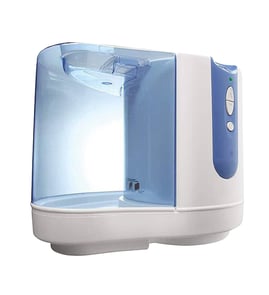

Is it healthy to sleep with a humidifier every night?
Yes, it’s healthy to sleep with a humidifier every night when you keep indoor humidity in a safe range and keep the unit clean. For the Lobb WA-2 humidifier, we recommend targeting 30% to 50% relative humidity (and avoiding sustained levels above 60%) to reduce dryness without encouraging mold or dust mites.
Best humidity level for sleeping
Aim for comfort without over-humidifying.
- 30% to 50%: best everyday target for most homes
- Below 30%: can worsen dry skin, dry throat, and sinus irritation
- Above 60%: can promote mold growth and dust mites, especially in bedrooms
- Use a hygrometer (humidity meter) so you are not guessing
- If you see condensation on windows, lower the setting
| Humidity reading | What you may notice | What we recommend |
|---|---|---|
| Under 30% | Dry nose, static, itchy skin | Increase output gradually |
| 30% to 50% | Comfortable sleep, less dryness | Maintain this range |
| 50% to 60% | Sometimes stuffy, damp surfaces possible | Reduce output if needed |
| Over 60% | Musty odor, condensation, mold risk | Lower setting and ventilate |
When nightly humidifier use helps most
Nightly use is most helpful when your home air is dry.
- Winter heating dries indoor air
- You wake up with a dry mouth or sore throat
- You have nasal dryness or mild congestion from dry air
- You notice dry skin or irritated eyes
Keep it healthy: cleaning and water tips
Over-humidifying and poor cleaning are the main reasons a humidifier becomes a problem.
- Empty the tank daily; refill with fresh water
- Clean and dry the tank regularly to prevent slime and odor
- Replace any wick/filter on schedule if your WA-2 uses one
- Place the unit a few feet from the bed; avoid blowing mist directly at your face
- If anyone has asthma or allergies, keep humidity closer to 30% to 45%
Why it matters
Humidity that’s too low can irritate your airways and skin; humidity that’s too high can increase allergens like mold and dust mites. Keeping the WA-2 in the right range gives you the comfort benefits without creating indoor air quality issues.
For replacement parts and maintenance items for your Lobb WA-2, start with the parts list for this model; you can also search by model number on Sears PartsDirect.
Last updated: February 2026
Is a humidifier safe for lungs?
Yes, a humidifier can be safe for your lungs and can make breathing more comfortable in dry air, as long as it is kept clean and the humidity stays in a healthy range. With the Lobb WA-2 humidifier, the biggest lung risk comes from dirty water and buildup that can spread bacteria or mold into the air.
Safe humidity range (what we recommend)
Keeping indoor humidity controlled helps prevent irritation and also limits mold growth.
- Target 30% to 50% relative humidity
- If you see condensation on windows, the humidity is usually too high
- If you notice musty odors or worsening allergies, lower the setting and clean the unit
- Use a hygrometer (humidity meter) for accurate readings
| Indoor humidity | What it can feel like | What to do |
|---|---|---|
| Below 30% | Dry throat, dry nose, static | Run humidifier; check for drafts |
| 30% to 50% | Most comfortable range | Maintain routine cleaning |
| Above 50% | Damp air, condensation, musty smell | Turn down; increase ventilation |
How to use a humidifier safely (lungs and air quality)
These habits reduce the chance of breathing in germs or mineral dust.
- Empty the tank daily and refill with fresh water
- Clean and dry the tank and base regularly (follow your normal cleaning routine for the unit)
- If your humidifier produces visible “white dust,” switch to distilled water
- Replace any wick/filter on schedule if your model uses one
- Keep the unit a few feet from beds and walls so mist does not soak fabrics or surfaces
Why it matters
Humidifiers add moisture, but they can also spread what is in the water and on internal surfaces. Clean water and controlled humidity help protect your lungs while still relieving dry-air symptoms.
Parts and help for your WA-2
If you need replacement items for your Lobb WA-2 humidifier (such as a filter, cap, tank, or other maintenance parts), we recommend starting with the model parts list, then searching by model number on Sears PartsDirect.
Last updated: February 2026
What should you not put in a humidifier?
For your Lobb WA-2 humidifier, we recommend using clean water only; do not add oils, fragrances, cleaners, or medications. Additives can clog the wick or nozzle, damage internal plastics, and leave residue that can be dispersed into the air.
What to avoid adding
- Essential oils or oil-based blends (can coat sensors and clog airflow paths)
- Perfume, cologne, or fragrance boosters (can damage plastics and create sticky buildup)
- Vapor rubs or inhalants (can leave heavy residue and restrict output)
- Bleach, disinfectants, or harsh cleaners (can corrode parts and create irritating fumes)
- Sugary drinks or other beverages (promotes microbial growth and sticky deposits)
- Very hot water (can warp tanks and seals; use cool to lukewarm water)
What to use instead (safe options)
Use this quick guide to choose what goes in the tank:
| Goal | Put this in the tank | Do this instead of additives |
|---|---|---|
| Add moisture | Clean water (preferably distilled) | Clean the tank regularly to prevent odor |
| Reduce white dust | Distilled or demineralized water | Replace/clean the wick or filter on schedule |
| Freshen the room | Nothing added to the tank | Use a separate room diffuser (not the humidifier) |
Why it matters
Most humidifiers are designed to evaporate water, not to atomize oils or chemicals. When you add anything besides water, residue can build up on the water tank, wick/filter, fan, and housing; that reduces humidity output and can shorten the life of the unit.
Helpful maintenance tips (to prevent odor and buildup)
- Empty the tank daily if you are not running it continuously
- Rinse and dry the tank before refilling
- Descale mineral buildup with a mild acid soak (follow label directions and rinse thoroughly)
- Keep the unit on a hard, level surface to prevent leaks
- If you suspect an electrical issue, use safe testing practices from how to use a multimeter to test electrical parts video
If you need replacement parts for the Lobb WA-2, start with the parts list for this model; you can also search by model number on Sears PartsDirect.
Last updated: February 2026
Which is better for COPD vaporizer or humidifier?
For COPD, we recommend aiming for safe, controlled humidity; in most homes a properly maintained cool-mist humidifier is the safer day-to-day choice than a hot-steam vaporizer because it avoids burn risk while still easing dry-air irritation. For the Lobb WA-2 humidifier, steady cleaning and moderate humidity matter most.
Quick comparison
| Option | How it adds moisture | Typical pros | Typical cons |
|---|---|---|---|
| Cool-mist humidifier (like WA-2 style) | Evaporates water into the air | No hot steam, good for continuous use | Needs frequent cleaning to prevent buildup |
| Warm-mist vaporizer | Boils water into steam | Warm moisture can feel soothing | Burn risk, adds heat, higher supervision needs |
WA-2 specific maintenance that makes the biggest difference
The WA-2 is an evaporative-style humidifier that uses an evaporative pad/drum assembly (not a wick-style filter). Keeping that pad and the water reservoir clean prevents odor, poor output, and mineral scale.
- Keep the evaporative pad/drum clean; replace it when it becomes stiff, torn, or heavily mineral-crusted.
- Empty and rinse the tank/reservoir daily; refill with fresh water.
- Descale mineral buildup on the base and drum parts regularly; scale reduces humidity output.
- Let components dry fully if the unit will sit unused for more than 48 hours.
- Place the humidifier a few feet from walls and bedding to avoid damp surfaces.
Humidity targets for COPD comfort
- Target indoor relative humidity around 40% to 50%.
- Use a hygrometer so you do not over-humidify.
- Use distilled or demineralized water when possible to reduce mineral dust.
Why it matters
COPD airways often react to very dry air, but overly humid rooms can feel heavy and promote dampness. The best choice is the device you can keep clean and set to a steady, moderate humidity.
If you are shopping for WA-2 maintenance items, start with the model-specific parts list; you can also search by model number on Sears PartsDirect.
Last updated: February 2026