Owner’s manual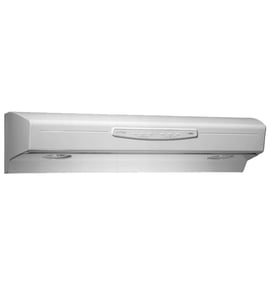



Can range hood filters be washed?
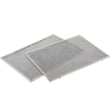
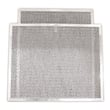
Yes. On the Kenmore 23352702000 range hood, the aluminum mesh grease filters are washable (and dishwasher safe), but charcoal (non-ducted) filters are not washable and must be replaced when they’re used up; follow the cleaning directions in the 23352702000 owner's manual.
What you can wash vs. what you replace
- Washable: aluminum mesh grease filters (remove and clean frequently)
- Not washable: charcoal (non-ducted) filters (do not soak or run through the dishwasher)
- Hood surfaces: wipe with a damp cloth and mild detergent
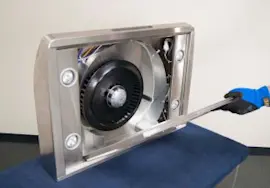
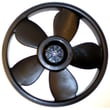
- Fan area: clean carefully so the fan blade does not get bent or misaligned
How to wash aluminum mesh filters (safe method)
- Disconnect power to the range hood at the breaker (recommended before cleaning).
- Remove the aluminum mesh filters.
- Wash using hot water and mild detergent (or place in the dishwasher).
- Rinse well and let the filters dry completely.
- Reinstall filters, then restore power.
Charcoal (non-ducted) filter care
Charcoal filters are used when the hood is installed non-ducted (recirculating). For these filters:
- Wipe the filter surfaces with a damp cloth and mild detergent.
- Do not immerse in water.
- Do not put in the dishwasher.
- Replace the charcoal filters when they no longer control odors effectively.
Quick comparison
| Filter type | Typical use | Can it be washed? | Best maintenance |
|---|---|---|---|
| Aluminum mesh grease filter | Ducted or non-ducted | Yes | Hot water and mild detergent; dishwasher safe |
| Charcoal (non-ducted) filter | Non-ducted only | No | Wipe surface; replace when spent |
Why it matters
Clean filters keep airflow strong, reduce grease buildup on the blower wheel and fan motor, and help the hood capture smoke and cooking odors more effectively.
Last updated: February 2026
Can you remove a range hood?
Yes. We can remove a Kenmore range hood model 23352702000 by shutting off power at the service panel, disconnecting the wiring, and then unfastening the mounting screws so the hood can be lowered safely. The exact screw locations and wiring cover details are shown in the 23352702000 owner's manual.
Before you start (safety and prep)
- Switch power off at the service panel and prevent it from being turned back on while you work.
- Use a sturdy step stool and have a second person support the hood during removal.
- Protect the cooktop with cardboard or a thick towel.
- If the hood is ducted, be ready to separate the duct connector and damper.
- Keep small parts together (screws, wire nuts, strain relief clamp).
Basic removal steps (typical process)
- Turn off power at the breaker.
- Remove the filters (pull down on the filter tabs and lift out).
- Remove the wiring cover inside the hood to access connections.
- Disconnect house wiring (typically wire nuts) and release the cable from the clamp.
- If ducted, detach the hood from the damper/duct connector or duct plate.
- Support the hood; remove the mounting screws; lower the hood and pull it away.
What you may need to remove first
| Item to remove | Why it matters | Where it is |
|---|---|---|
| Filters | Access to interior and fasteners | Underside of hood |
| Wiring cover | Access to electrical connections | Inside hood |
| Duct connector/damper | Frees hood from ductwork | Top or rear discharge |
Common issues that slow removal
- Painted-over or stripped mounting screws
- Short house wiring (limited slack)
- Ductwork taped heavily to the connector
- Grease buildup making parts stick
Why it matters
Removing a range hood safely prevents electrical shock and avoids damaging the duct connection, fan housing, and cabinet. It also makes reinstallation or replacement parts (like a switch, motor, or light components) much easier.
Last updated: February 2026
How often should range hood filters be changed?
For Kenmore range hood model 23352702000, we recommend cleaning the aluminum mesh grease filters frequently (about every 1 to 3 months for most kitchens) and replacing charcoal (non-ducted) filters on a regular schedule (commonly every 3 to 6 months), sooner with heavy frying or high-heat cooking. See the 23352702000 owner's manual for your hood’s exact cleaning and replacement guidance.
Recommended schedule (based on how you use the hood)
- Light cooking (occasional boiling, low grease): clean mesh filters about every 2 to 3 months
- Typical cooking (daily meals, some sautéing): clean mesh filters about every 1 to 2 months
- Heavy cooking (frequent frying, wok cooking, lots of smoke): clean mesh filters monthly or more often
- Non-ducted setups: replace charcoal filters about every 3 to 6 months (or sooner if odors linger)
What your manual says for this model
The manual for this hood calls out:
- Aluminum mesh filters: “Clean frequently” using hot water and mild detergent; they are dishwasher safe.
- Charcoal filters: wipe surfaces with a damp cloth and mild detergent; do not immerse or put in the dishwasher.
- Some charcoal filters include a “Clean Sense” indicator that changes color when it’s time to replace.
Quick signs it’s time to clean or replace
- Grease film on cabinets or the hood even when the fan is running
- Fan seems weaker or airflow feels restricted
- Odors linger longer than normal (common with saturated charcoal filters)
- Visible grease buildup, warping, or damage to the filter media
Filter care at a glance
| Filter type | Used for | What to do | Typical interval |
|---|---|---|---|
| Aluminum mesh grease filter | Captures grease | Wash (dishwasher safe) | 1 to 3 months |
| Charcoal (non-ducted) filter | Reduces odors | Replace (do not wash in dishwasher) | 3 to 6 months |
Why it matters
Clean filters help your Kenmore 23352702000 move air better, reduce cooking odors, and keep grease from building up on the fan blade and inside the hood, which can lead to noisy operation and poorer ventilation.
Last updated: February 2026
How to clean Kenmore kitchen hood vent?
For the Kenmore range hood model 23352702000, we clean the hood vent by shutting off power, removing the aluminum mesh grease filters, washing them with hot water and mild detergent (dishwasher-safe), then wiping the hood’s grease-laden surfaces with a damp cloth and mild detergent before reinstalling dry filters and restoring power. See the 23352702000 owner's manual.
Step-by-step cleaning (safe and effective)
- Disconnect power at the breaker or unplug the hood before cleaning.
- Pull down on the filter tabs to remove the aluminum mesh filters.
- Wash filters frequently in hot water with a mild detergent (or place them in the dishwasher).
- Wipe the hood interior and exterior with a damp cloth and mild detergent.
- Clean carefully around the fan blade so it does not get bent or misaligned.
- Dry all surfaces completely, reinstall filters, then restore power.
What to avoid while cleaning
To protect the motor and wiring, follow these rules:
- Do not allow water to enter the motor.
- Do not use abrasive pads or harsh cleaners that can scratch finishes.
- Do not soak electrical parts (switches, light socket, wiring).
- Do not bend the fan blade; vibration and noise can result.
Filter type quick guide
| Filter type | How to clean | How often |
|---|---|---|
| Aluminum mesh grease filter | Hot water and mild detergent; dishwasher-safe | Frequently (as grease builds up) |
| Charcoal (non-ducted) filter | Wipe surfaces with a damp cloth; do not immerse or dishwasher | Replace when saturated or odor persists |
Why it matters
Keeping the fan, filters, and grease-laden surfaces clean improves airflow and odor capture, helps reduce grease buildup, and supports safer cooking ventilation performance.
Last updated: February 2026
How to find range hood model number?
On the Kenmore range hood model 23352702000, the model/serial label is typically on the top of the hood, on the underside near the controls, or behind the grease filters. Use the exact model number from the label when ordering parts or checking wiring and installation details in the 23352702000 owner's manual.
Where to look on the hood
Check these common label locations (power off first if you need to remove filters):
- Top of the hood (often near the duct outlet area)
- Underside of the hood (near the light lens or switch area)
- Behind the grease filters (remove the aluminum mesh filters to look inside)
- Inside the wiring cover area (less common, but sometimes near the wiring compartment)
Quick steps to find it safely
- Turn the hood off; if you will reach inside, switch power off at the breaker.
- Remove the grease filters by pulling down on the filter tabs and lifting the filters out.
- Look for a sticker or metal tag that lists Model No. and Serial No.
- Write the model number exactly as shown (for this page, it is 23352702000).
What to do with the model number
Use the model number to match the correct parts list and diagrams, especially for common repairs like lights and fan issues.
| What you need | Why it matters | Example for this hood |
|---|---|---|
| Model number | Ensures correct fit and wiring match | 23352702000 |
| Serial number | Helps identify production variation | From the label |
| Part ID | Identifies the exact replacement part page | SR111630 |
Why it matters
Kenmore range hoods can look similar across series, but parts like the light socket, rocker switch, and fan motor assembly can vary by model. Using the label’s model number prevents ordering the wrong component and saves time during installation and troubleshooting.
Last updated: February 2026
What are the parts of a range hood called?
On the Kenmore 23352702000 range hood, the main parts are the hood body (canopy), the blower and fan, the grease filters, the damper and venting path, and the controls and lighting. Your exact component names and diagrams are listed in the 23352702000 owner's manual.
Common range hood part names (and what they do)
Most range hoods, including this Kenmore model, use these standard component names:
- Canopy (hood body): captures smoke, steam, and grease above the cooktop
- Blower (fan motor) and fan blade/wheel: moves air through the hood and ducting
- Grease filter (aluminum mesh): traps grease before it reaches the blower and duct
- Damper (backdraft damper): helps prevent outside air from flowing back into the kitchen
- Control switches: typically separate fan and light switches (often rocker switches)
- Light assembly: lens, lamp socket or LED module/diode, and wiring
Parts you will see listed for model 23352702000
These are examples of real part names used for this model on Sears PartsDirect:
| Part name (common label) | What it affects | Example part for this model |
|---|---|---|
| Grease filter | Airflow and grease capture | Range hood grease filter, 2-pack S99010299 |
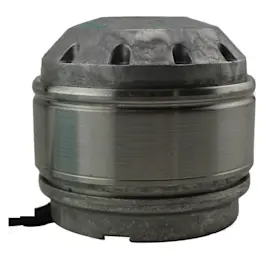
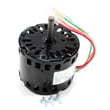
| Fan motor assembly | Fan operation and airflow | Range hood fan motor assembly SR99080535 |
| Vent damper | Draft control and venting | Range hood vent damper SR740013 |
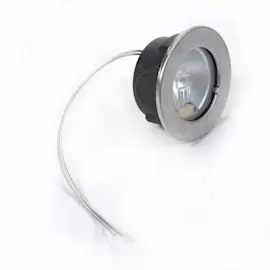
| Light socket | Light power connection | Range hood light socket SR111630 |
Why the exact names matter
Using the correct part name helps you match the right diagram callout, confirm fit, and avoid ordering the wrong replacement. It also speeds up troubleshooting when symptoms point to a specific area (fan, lights, or venting).
Quick tips when identifying a part
- Start with the symptom (noisy fan, weak airflow, lights out, etc.)
- Compare the part’s shape and mounting points to your original
- Check whether your hood is ducted or non-ducted (filter types differ)
- For best capture, many hoods are installed 24 to 30 inches above the cooking surface (verify your setup in the manual)
- Use the parts list and diagrams in the 23352702000 owner's manual to confirm the correct component name
Last updated: February 2026
What is the life expectancy of a range hood?
A Kenmore range hood like model 23352702000 typically lasts 10 to 20 years (about 15 years for many homes). Lifespan depends most on how often you cook, how well you keep grease filters clean, and whether the fan motor and switches stay protected from grease buildup.
What affects range hood lifespan most
- Filter cleaning frequency: clogged grease filters make the motor work harder.
- Cooking style: frequent frying and high-heat cooking shortens life.
- Vent setup: restricted ducting or a stuck damper reduces airflow.
- Moisture and grease exposure: buildup can damage wiring, switches, and bearings.
- How it’s cleaned: water entering the motor can cause early failure.
Maintenance that helps you reach the 15 to 20 year range
We recommend following the cleaning and operating guidance in the 23352702000 owner’s manual. Key habits:
- Wash aluminum mesh filters often (hot water and mild detergent; many are dishwasher safe).
- Wipe the hood surfaces regularly to prevent grease from migrating into controls.
- Keep the blower area clean; avoid bending the fan blade during cleaning.
- Confirm the damper opens freely and the duct path is not blocked.
- Disconnect power before cleaning or servicing.
Common wear items (and what they do)
| Part | What you’ll notice when it’s failing | Example model-compatible part |
|---|---|---|
| Fan motor assembly | Fan won’t run, runs slow, or gets noisy | Range hood fan motor assembly SR99080535 |
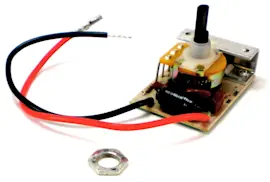
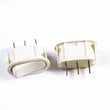
| Rocker switch | Fan or lights work only on some settings, or cut out | Range hood rocker switch, 2-pack (almond) SR561119 |
| Grease filter | Poor airflow, more smoke lingering, greasy residue | Range hood grease filter, 2-pack S99010299 |
Why it matters
A range hood that is pulling air correctly removes smoke, grease, and odors more effectively. Keeping filters and airflow in good shape reduces strain on the fan motor, which is one of the biggest drivers of overall range hood life.
Last updated: February 2026
Which is better baffle filter or charcoal filter?
For the Kenmore 23352702000 range hood, neither filter is universally “better”; they solve different problems. Baffle filters (metal) are best for capturing grease in ducted setups, while charcoal filters are best for reducing cooking odors in non-ducted (recirculating) setups. Use the venting method and your cooking style to decide.
Quick comparison
| Feature | Baffle (metal) filter | Charcoal (carbon) filter |
|---|---|---|
| Best for | Grease capture | Odor reduction |
| Typical setup | Ducted to outside | Non-ducted recirculating |
| Cleaning | Washable | Not washable; replace |
| Ongoing cost | Low | Ongoing replacements |
How to choose for your kitchen
- Choose charcoal if your hood is installed non-ducted (recirculating); the manual notes non-ducted installations use non-ducted filters attached to the aluminum mesh filters (see the 23352702000 owner's manual).
- Choose baffle/metal style if you vent outside and cook frequently with oil (frying, searing); grease capture matters most.
- If you mostly simmer and do light cooking, charcoal can be enough for odor control in a recirculating setup.
- If you want the lowest maintenance cost, metal filters win because they are reusable.
Cleaning and maintenance basics
- Disconnect power before cleaning.
- Clean aluminum mesh/metal filters frequently with hot water and mild detergent; they are typically dishwasher safe.
- Wipe charcoal filter surfaces with a damp cloth; do not immerse or put charcoal filters in the dishwasher.
- Replace charcoal filters when odor control drops or the filter indicator shows it is time.
Why it matters
Using the wrong filter type can leave you with lingering odors (no charcoal in recirculating mode) or greasy buildup (poor grease capture). The right filter helps your Kenmore hood move air efficiently and keeps the fan and housing cleaner.
Last updated: February 2026