Installation guide
 Owner’s manual
 Error Codes


What is the life expectancy of a Frigidaire side-by-side refrigerator?
A Frigidaire side-by-side refrigerator like model FGHS2631PF3 typically lasts 10 to 15 years with normal household use and basic maintenance. Keeping airflow clear, seals tight, and filters fresh helps the compressor and cooling system run efficiently longer.
What affects lifespan the most
- Condenser coil cleanliness (dust buildup makes the system run hotter and longer)
- Door seal condition (air leaks force longer run times)
- Room temperature and ventilation around the cabinet
- Water quality and filter changes for dispenser and ice maker models
- How often doors are opened and how full the compartments are
Maintenance that helps FGHS2631PF3 reach the high end of the range
Use your FGHS2631PF3 use & care manual for model-specific care steps and settings. In general, we recommend:
- Vacuum dust from the grille area and around the unit regularly
- Keep food from blocking interior vents
- Confirm doors close fully and don’t bounce open
- Replace the water filter on schedule if your unit uses one
- Level the refrigerator so doors self-close and seal correctly
Quick “replace vs. repair” guide
| If your refrigerator is… | Usually worth repairing when… | Consider replacement when… |
|---|---|---|
| Under 10 years old | Cooling is good and the issue is a wear item (seal, filter, fan) | Major sealed-system failure occurs |
| 10 to 15 years old | Repair is minor and performance is otherwise strong | Multiple failures happen close together |
| Over 15 years old | Repair is low-cost and you want to extend life short-term | Cooling is inconsistent or repairs are frequent |
Why it matters
A refrigerator that’s struggling (warm temps, long run times, frost buildup) often uses more energy and can shorten the life of key components like the compressor and control board. Preventive maintenance is usually the cheapest way to protect food and extend service life.
Last updated: January 2026
Is Frigidaire Gallery high end?
Frigidaire Gallery (including refrigerators like the Frigidaire FGHS2631PF3) is not a true luxury, high-end line; it’s a premium, mid-range series that typically offers upgraded styling and features compared with basic Frigidaire models, without reaching brands known for luxury pricing and build.
What “high end” usually means (and where Gallery fits)
When customers say “high end,” they usually mean a mix of premium materials, very quiet operation, advanced temperature management, and a higher price tier. Frigidaire Gallery generally lands in the “step-up” category rather than the luxury category.
- Premium, mid-range positioning: more features and finish options than entry-level lines
- Mainstream serviceability: parts and repairs are typically similar to other mass-market refrigerators
- Feature-forward value: you often get convenience features without luxury pricing
- Not a luxury build tier: luxury brands tend to emphasize heavier-duty components and specialized designs
For model-specific operating and feature details, we recommend checking the FGHS2631PF3 use & care manual.
Quick comparison: Gallery vs luxury
| Category | Frigidaire Gallery | Luxury “high-end” brands |
|---|---|---|
| Price tier | Mid-range premium | High to very high |
| Design focus | Modern finishes, convenience | Premium materials, custom integration |
| Typical buyer | Value + features | Performance + prestige |
| Service/parts | Standard appliance ecosystem | Often specialized |
Why it matters
Knowing the tier helps set expectations for things like noise level, fit-and-finish, and long-term maintenance. With FGHS2631PF3, you can usually keep performance strong by staying on top of routine items like filters and seals.
Common “premium upkeep” items to plan for
- Replace the water filter on schedule (helps dispenser flow and taste)
- Replace the air filter if odors linger
- Keep door gaskets clean so doors seal tightly
- Maintain proper temperatures and airflow
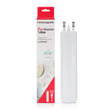
If you need a compatible filter for this model, use the refrigerator water filter ULTRAWF listed for FGHS2631PF3.
Last updated: January 2026
What is the most common problem with Frigidaire refrigerators?
Cooling complaints are the most common issue we see across Frigidaire refrigerators, including the FGHS2631PF3: the fresh-food section warms up, the freezer gets frost buildup, or the unit runs constantly. Ice maker and water dispenser problems are also very common and often trace back to airflow or water-supply restrictions.
Most common issues (and what to check first)
- Not cooling well: clean condenser area, confirm vents are not blocked, verify door seals.
- Freezer frost buildup: check for doors not sealing, frequent door openings, or a defrost-system issue.
- Ice maker not making ice: confirm the ice maker is ON, water supply valve is open, and the filter is not clogged.
- Slow water dispensing: usually a restricted filter or air in the water line.
- Noisy operation: fan-related noise or vibration from the cabinet not being level.
For model-specific operating checks and setup steps (ice maker switch, filter seating, normal sounds), use the FGHS2631PF3 use & care manual.
Parts that commonly cause these symptoms on FGHS2631PF3
If basic checks do not fix the problem, these model-compatible parts are frequent culprits:
| Symptom | Common part involved | What it affects |
|---|---|---|
| Warm fridge or poor cooling | Refrigerator condenser coil 242106605 | Heat removal; dirty or restricted airflow can raise temps |
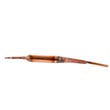
| Frost buildup or warm temps | Refrigerator defrost heater 242044113 | Defrosting the evaporator to keep airflow open |
| Ice maker or dispenser issues | Refrigerator water filter ULTRAWF | Water flow to the dispenser and ice maker |
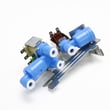
| No water to ice maker | Frigidaire refrigerator water inlet valve assembly 242252702 | Opens to send water to the ice maker/dispenser |
Why it matters
Cooling and ice maker issues often start small (dirty coils, restricted filter, poor door seal) but can lead to food spoilage, heavy frost, and longer run times. Addressing the simple causes first can prevent unnecessary part replacement.
Quick prevention checklist
- Vacuum dust from the condenser area regularly.
- Replace the water filter on schedule.
- Keep door gaskets clean and sealing flat.
- Avoid blocking air vents with food packages.
- Make sure the refrigerator is level so doors close fully.
Last updated: January 2026