 Error Codes




What is the average lifespan of a GE dishwasher?
A GE dishwasher typically lasts 10 to 12 years. For an older model like GE GSD500X-66AW (April 1995), lifespan depends most on water quality, how often it runs, and whether key wear items (seals, rollers, and wash components) are kept in good shape.
What affects dishwasher lifespan the most
- Hard water and scale buildup can shorten heater and pump life.
- Daily heavy loads wear the motor, spray system, and racks faster.
- Leaks (even small ones) can damage wiring and the motor area.
- Poor draining strains the pump and can leave standing water.
- Door sealing issues let moisture escape and cause corrosion.
Signs your dishwasher is nearing end of life
- Dishes stay gritty or come out with food debris even after cleaning the spray arm.
- Water remains in the tub after the cycle.
- Loud grinding or humming during wash (often points to pump or motor wear).
- Repeated leaks at the door or corners.
- Cycles run but cleaning performance keeps getting worse.
Common repairs that can extend life (and when they help)
| Symptom | Often worth repairing | Example part for GSD500X-66AW |
|---|---|---|
| Door leaking | Yes, if tub is solid and racks are usable | Dishwasher door seal WD8X229 |
| Poor wash, noisy wash motor | Sometimes, if the rest of the unit is in good condition | Motor WD26X10013 |
| Rack won’t roll smoothly | Yes, quick quality-of-life fix | Rack roller WD28X31819 |
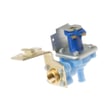
| Won’t fill or fills slowly | Often, if no other major issues | Dishwasher water inlet valve WD15X93 |
Why it matters
Knowing the typical lifespan helps you decide whether to invest in a repair (like a motor or inlet valve) or focus on preventing the most common life-shorteners: leaks, scale, and poor draining.
Last updated: January 2026
Does a GE dishwasher have a filter that needs to be cleaned?
Yes. GE dishwashers typically use a filter or food-collection system in the bottom of the tub that should be cleaned periodically to prevent odors, poor washing, and draining problems; on older models like GE GSD500X-66AW, the system is often self-cleaning rather than a simple twist-out filter.
How to tell what your dishwasher has
Most GE designs fall into one of these setups:
- Removable filter assembly (common on many newer dishwashers): you lift out the lower rack and remove the filter for rinsing.
- Self-cleaning filter with grinder area (common on many older dishwashers): debris is handled internally, but the sump area still benefits from periodic cleaning.
- Hybrid: a screen plus a chopper or collection area.
Safe cleaning steps we recommend
Before working in the tub, turn off power at the breaker.
- Remove the lower rack.
- Look at the center-bottom area for a round, twist-lock filter or a screen cover.
- Wipe out visible debris from the sump area with a damp cloth.
- Rinse any removable screen or filter under warm water; use a soft brush if needed.
- Reinstall parts fully seated so the spray arm and rack do not interfere.
If you are also seeing poor wash coverage, check the spray arm holes for clogs and consider inspecting the spray arm WD22X154.
When cleaning the filter system matters most
Cleaning helps most when you notice any of the following:
- Grit or food particles left on dishes
- Cloudy glasses (especially after heavy loads)
- Standing water or slow drain
- Musty or sour odors
- Unusual grinding or rattling during wash
Quick symptom-to-likely-cause guide
| Symptom | Common cause in the filter/sump area | What to do |
|---|---|---|
| Bad odor | Food buildup in sump/filter area | Clean sump area and any screens |
| Poor cleaning | Clogged filter/screen or spray arm holes | Clean filter area; clear spray arm holes |
| Won’t drain well | Debris restricting sump or drain path | Clean sump; check drain hose routing |
Why it matters
A clean filter or sump area keeps water moving correctly through the pump, spray arms, and drain path. That protects wash performance and helps reduce strain on key components like the pump and motor.
Last updated: January 2026
What is the most common problem with GE dishwashers?
The most common GE dishwasher problem is poor draining, which usually comes from a clogged drain path (food debris in the sump area, a restricted drain hose, or a stuck drain mechanism). On the GE GSD500X-66AW, we also commonly see “won’t start” issues tied to the door switch circuit.
Most common symptoms and what they usually mean
- Water left in the bottom after a cycle: drain hose restriction, drain solenoid not actuating, or pump issue
- Hums but won’t drain: drain path blockage or a failing pump/motor
- Won’t start at all: door not latching fully, failed door switch, or wiring issue
- Leaks at the door: worn door seal or tub baffle not sealing
- Poor cleaning: clogged spray arm holes, low water fill, or weak wash motor
Quick checks we recommend first (10 to 20 minutes)
- Turn off power at the breaker.
- Check the sink drain and garbage disposal inlet (a blocked connection can stop draining).
- Inspect the drain hose for kinks and make sure it loops high under the counter.
- Open the door and look for standing water and heavy debris in the sump area.
- Confirm the door closes firmly; a weak door switch can prevent the cycle from starting.
Parts that commonly fix these problems on GSD500X-66AW
If your symptoms match, these model-compatible parts are common solutions:
| Symptom | Likely part to inspect/replace | What it does |
|---|---|---|
| Won’t start | Interlock WD21X10261 | Confirms the door is closed so the dishwasher can run |
| Won’t drain | Drain tube WD24X10014 | Carries drain water to the sink/disposal connection |
| Won’t drain (mechanical) | Solenoid kit WD21X802 | Actuates the drain mechanism during drain portions |
| Leaks at door | Dishwasher door seal WD8X229 | Seals the door perimeter to prevent water escaping |
| Poor wash, loud motor | Motor WD26X10013 | Drives wash circulation and, on many designs, supports draining |
Why it matters
Drain and door-switch problems can look like “the dishwasher is dead,” but they are often straightforward fixes. Catching a restricted drain early also helps prevent odors, standing water, and pump strain.
Last updated: January 2026
Can a clogged drain cause an FTD error?
Yes. On the GE GSD500X-66AW dishwasher, an FTD (fail to drain) condition commonly happens when water cannot leave the tub fast enough due to a clog in the drain path, such as the sump area, drain hose, or the sink or disposal connection.
What to check first (fast, no parts)
- Turn off power at the breaker before reaching into the sump or under the dishwasher.
- Remove standing water (cup or wet vac) so you can see into the bottom of the tub.
- Check for debris around the sump and any visible screens (labels, glass, food, twist ties).
- Inspect the sink drain or garbage disposal inlet where the dishwasher drain connects (a blockage there acts like a “clogged drain”).
- Look for a kinked, crushed, or sagging drain hose that traps water.
Parts that commonly relate to “fail to drain” symptoms
If clearing the drain path does not help, these model-matched parts are common next checks:
- Drain tube WD24X10014 (drain hose): can clog internally or collapse.
- Solenoid kit WD21X802 (drain solenoid): can stick and prevent proper draining on some GE designs.
- Dishwasher drain solenoid link WD1X1316 (link): can break or slip so the drain mechanism does not move.
- Motor WD26X10013 (pump and motor assembly): a weak motor or jammed impeller can reduce drain flow.
Quick symptom-to-cause guide
| What you notice | Most likely cause | What to do |
|---|---|---|
| Hums but little or no draining | Jammed pump area or restricted hose | Clear debris; check hose routing |
| Drains slowly, leaves water | Partial clog in hose or sink connection | Clean hose and sink/disposal inlet |
| Intermittent draining | Sticking drain mechanism | Inspect drain solenoid and link |
Why it matters
When the dishwasher cannot drain, it can stop mid-cycle, leave dirty water in the tub, and cause poor wash results. Clearing the clog early also helps protect the pump and motor from overheating and wear.
Last updated: January 2026





