
Get free shipping on your order, with any water filter subscription. Find my filter

Open Hamburger Menu
Sears Parts Direct
Tips to find your model number
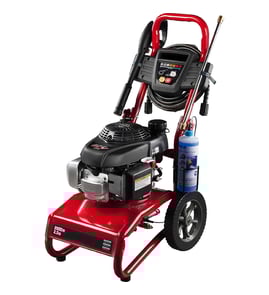
Briggs & Stratton 020498-00 pressure washer

Briggs & Stratton 020498-00 pressure washer Parts

Here are the diagrams and repair parts for Briggs & Stratton 020498-00 pressure washer, as well as links to manuals and error code tables, if available.

By Schematic
SELECT DIAGRAM
?

This is the number corresponding to the part on the diagram / schematic

Browse Parts for 020498-00 Pressure Washers

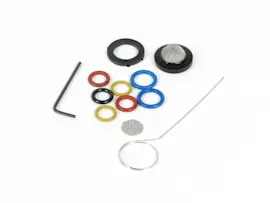
  • Kit for Briggs & Stratton 020498-00 - Part 203083GS

    Main unit diagram

    Kit

    Part #203083GS

    Replaced by #203083GS

    Info Icon
    Manufacturer substitution
    This part replaces 203083GS. Substitute parts can look different from the original.
    In Stock
    $65.69
    Minus Item
    Qty
    Plus Item
  • Handle for Briggs & Stratton 020498-00 - Part 199110BRGS

    Main unit diagram

    Briggs & Stratton Handle

    Part #199110BRGS

    Replaced by #199110BRGS

    Info Icon
    Manufacturer substitution
    This part replaces 199110BRGS. Substitute parts can look different from the original.
    In Stock
    $104.32
    Minus Item
    Qty
    Plus Item
  • Decal for Briggs & Stratton 020498-00 - Part 705920

    #NI02

    All parts diagram

    Warning Decal

    Part #208538GS

    Replaced by #705920

    Info Icon
    Manufacturer substitution
    This part replaces 208538GS. Substitute parts can look different from the original.
    In Stock
    $48.16
    Minus Item
    Qty
    Plus Item
  • Retner, Ring for Briggs & Stratton 020498-00 - Part 703976

    Main unit diagram

    Pressure Washer Retainer Clip

    Part #192050GS

    Replaced by #703976

    Info Icon
    Manufacturer substitution
    This part replaces 192050GS. Substitute parts can look different from the original.
    In Stock
    $8.06
    Minus Item
    Qty
    Plus Item
  • Base for Briggs & Stratton 020498-00 - Part 314587GS

    Main unit diagram

    Base

    Part #314587GS

    Replaced by #314587GS

    Info Icon
    Manufacturer substitution
    This part replaces 314587GS. Substitute parts can look different from the original.
    In Stock
    $337.35
    Minus Item
    Qty
    Plus Item
  • Kit-q Cnct for Briggs & Stratton 020498-00 - Part 314075GS

    Main unit diagram

    Pressure Washer Spray Nozzle Set

    Part #314075GS

    Replaced by #314075GS

    Info Icon
    Manufacturer substitution
    This part replaces 314075GS. Substitute parts can look different from the original.
    In Stock
    $56.47
    Minus Item
    Qty
    Plus Item
  • Pressure Washer Quick-connect Nozzle for Briggs & Stratton 020498-00 - Part 195983RGS

    Main unit diagram

    Pressure Washer Spray Nozzle

    Part #195983RGS

    Replaced by #195983RGS

    Info Icon
    Manufacturer substitution
    This part replaces 195983RGS. Substitute parts can look different from the original.
    In Stock
    $21.31
    Minus Item
    Qty
    Plus Item
  • Nzzle,qc, for Briggs & Stratton 020498-00 - Part 195983TGS

    Main unit diagram

    Pressure Washer Spray Nozzle

    Part #195983TGS

    Replaced by #195983TGS

    Info Icon
    Manufacturer substitution
    This part replaces 195983TGS. Substitute parts can look different from the original.
    In Stock
    $21.31
    Minus Item
    Qty
    Plus Item
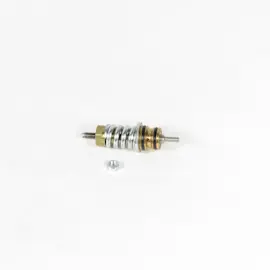
  • Briggs & Statton Pressure Washer Unloader Valve Kit for Briggs & Stratton 020498-00 - Part 772235

    Pump diagram

    Pressure Washer Unloader Valve Kit

    Part #315747GS

    Replaced by #772235

    Info Icon
    Manufacturer substitution
    This part replaces 315747GS. Substitute parts can look different from the original.
    In Stock
    $201.38
    Minus Item
    Qty
    Plus Item
  • Cap for Briggs & Stratton 020498-00 - Part 200520GS

    Main unit diagram

    Briggs And Stratton Cap-hub

    Part #200520GS

    Replaced by #200520GS

    Info Icon
    Manufacturer substitution
    This part replaces 200520GS. Substitute parts can look different from the original.
    In Stock
    $26.67
    Minus Item
    Qty
    Plus Item

Briggs & Stratton Pressure Washer 020498-00 FAQs

Gas-powered pressure washers typically run in the 2,000 to 4,000 PSI range, with heavy-duty models reaching up to about 5,000 PSI. For your Briggs 020498-00, the exact PSI depends on the pump and nozzle setup; a worn nozzle can also make pressure seem low.

Typical PSI ranges (what to expect)

Most pressure washers fall into these practical ranges:

  • Light-duty cleaning: 1,200 to 2,000 PSI (often electric)
  • General home use: 2,000 to 3,200 PSI (common gas range)
  • Heavy-duty cleaning: 3,200 to 4,000 PSI (strong gas range)
  • Commercial-grade: up to about 5,000 PSI

What changes PSI on a gas pressure washer

Even with the same engine, pressure at the wand can change based on setup and wear:

  • Spray nozzle orifice size and spray angle (a worn nozzle lowers pressure)
  • Unloader valve adjustment or failure (pressure surging or weak pressure)
  • Pump check valves and seals (loss of pressure, pulsation)
  • Water supply flow (low GPM starves the pump and reduces pressure)
  • Air in the inlet line (causes sputtering and inconsistent pressure)

Quick troubleshooting if pressure seems low

Before replacing major parts, we recommend these checks:

Common symptoms and likely causes

Symptom Most common cause What to check first
Low pressure, steady Worn/clogged nozzle Swap nozzle, clean tip
Pressure surges Unloader valve issue, air in water Purge air, inspect unloader
Pulsing pressure Check valves or seals Pump valve/seal condition
No chemical draw Injector hose issue Injector hose and fittings

Why it matters

Choosing the right PSI helps you clean faster without damaging surfaces. Too much PSI can etch concrete or strip paint; too little PSI wastes time and can lead to overuse of chemicals.

Last updated: February 2026

On the Briggs 020498-00 gas pressure washer, you typically adjust cleaning pressure by changing the spray tip (nozzle) and by controlling how much water flows through the wand. Most gas units do not have a true “PSI dial”; the nozzle size and spray angle are what change the working pressure at the surface.

Quick ways to lower or raise pressure

  • Swap to a wider-angle nozzle to lower pressure (safer for paint, wood, and siding).
  • Swap to a narrower-angle nozzle to raise pressure (better for concrete and heavy grime).
  • Increase distance from the surface to reduce effective pressure.
  • Use the chemical/soap function (if equipped) for delicate cleaning instead of high pressure.
  • Confirm strong water supply; low inlet flow makes pressure inconsistent.

A common first step is replacing worn or partially clogged tips; a damaged tip can make pressure feel weak or erratic. For this model, a good match is the pressure washer spray nozzle set 314075GS.

Step-by-step: adjust pressure using the nozzle

  1. Shut off the engine.
  2. Squeeze the trigger to relieve trapped pressure.
  3. Pull back the quick-connect collar on the wand and remove the tip.
  4. Install the new tip and release the collar to lock it.
  5. Restart and test on a small area.

What each nozzle change does (typical)

Change you make What you’ll notice Best for
Wider spray pattern Lower bite, broader coverage Siding, vehicles, decks
Narrower spray pattern Stronger bite, smaller coverage Concrete, stubborn stains
Stand farther back Gentler cleaning Painted surfaces
Stand closer More aggressive cleaning Durable surfaces only

Why it matters

Using the right nozzle and distance protects surfaces and the pump. Running an overly aggressive tip on delicate materials can cause damage, while a worn nozzle can make you think the pump is failing when it is really a spray-tip issue.

Last updated: February 2026

For your Briggs 020498-00 gas pressure washer, use a 1/4-inch hose for lighter, easier handling on short runs; use a 3/8-inch hose when you need better flow and pressure retention on longer hose lengths or higher-demand cleaning. Most homeowners prefer 1/4-inch unless they routinely run 75 feet or more.

How to choose the right hose size

Use these practical rules to match hose diameter to your job:

  • Choose 1/4-inch for car washing, patio furniture, and general around-the-house cleaning where flexibility matters.
  • Choose 3/8-inch for driveways, siding, and long hose runs where you want stronger performance at the wand.
  • If you frequently use longer hoses, 3/8-inch reduces pressure drop compared to 1/4-inch.
  • If you want the simplest setup, match the hose size to your pump outlet and fittings to avoid adapters.
  • If spray performance is inconsistent, check the nozzle first; a worn or partially clogged nozzle can mimic “low pressure”.

Quick comparison

Feature 1/4-inch hose 3/8-inch hose
Handling Lighter, more flexible Heavier, stiffer
Best for Short runs, lighter-duty work Long runs, higher-demand work
Performance over distance More pressure loss Better pressure retention
Typical user Homeowner convenience Performance-focused cleaning

Before you buy: check these fit and performance items

A hose that is the “right size” still has to match your setup and cleaning goals:

  • PSI rating: choose a hose rated at or above your washer’s maximum PSI.
  • GPM needs: higher flow setups benefit more from 3/8-inch.
  • Coupler size: confirm the thread type and quick-connect size at the pump and spray gun.
  • Nozzle condition: replace worn tips to restore spray pattern and pressure.

If you need new tips for troubleshooting or better cleaning results, our pressure washer spray nozzle set 314075GS is a common wear-item replacement for this model.

Why it matters

Hose diameter affects how much water can move to the spray gun. Too small of a hose on a long run can cause noticeable pressure drop, slower rinsing, and weaker impact at the surface, even when the engine and pump are running normally.

Last updated: February 2026
Most common symptoms to help you fix your pressure washers

Choose a symptom to see related pressure washer repairs.

Main causes: overfilling engine with oil, improper fuel/air mixture, choke system problems, dirty carburetor, engine nee…

Main causes: using a high-pressure spray tip when applying detergent, clogged siphon tube, chemical injection system fai…

Main causes: dirty air filter, stale fuel, clogged or dirty carburetor, bad unloader valve…

Main causes: damaged recoil starter, oil inside cylinder, locked up engine piston…

Main causes: stale fuel, gummed up carburetor, engine needs tune up, throttle and choke controls need adjustment, bad re…

Main causes: pump running for more than 5 minutes when the spray wand isn't being used, faulty pressure relief valve, ba…

Things to do: tune up the engine, inject pump saver into the water pump when storing the pressure washer for the winter…

Main causes: insufficient water supply, clogged water inlet screen, clogged pressure hose, faulty pump check valves, stu…

Main causes: faulty unloader valve, bad pressure regulator…

Repair guides for gas pressure washers

These step-by-step repair guides will help you safely fix what’s broken on your pressure washer.

How to replace a pressure washer pump

How to replace a pressure washer pump

The pump can be damaged by air in the inlet water supply or by chemicals that remain in the pump body after using the ch…

Repair time and Difficulty

 15 minutes or less
How to install a pressure washer O-ring kit

How to install a pressure washer O-ring kit

O-rings seal fittings on the pressure washer pump. Damaged seals allow water to leak from the pump. Follow these steps t…

Repair time and Difficulty

 45 minutes or less
How to replace a pressure washer unloader valve

How to replace a pressure washer unloader valve

The unloader valve recirculates water to protect the pump from damage. If the unloader valve is defective, replace it us…

Repair time and Difficulty

 15 minutes or less

Effective articles & videos to help repair your pressure washers

Use the advice and tips in these articles and videos to get the most out of your pressure washer.

How to enjoy all the online benefits we offer on our Sears PartsDirect website

How to enjoy all the online benefits we offer on our Sears PartsDirect website

Learn about all the convenient features on our Sears PartsDirect website that make your parts purchases easier.…

Tapping into a new feature in the Search Bar on Sears PartsDirect

Tapping into a new feature in the Search Bar on Sears PartsDirect

Learn about a new feature added to the Search Bar on Sears PartsDirect…

Top questions about Sears and Sears PartsDirect

Top questions about Sears and Sears PartsDirect

Get answers to frequently asked questions about Sears and Sears PartsDirect.…

Parts & More

Bottom-Mount Refrigerator
Dishwasher
Dryer
Front-Engine Lawn Tractor
Front-Tine Tiller
Gas Chainsaw
Microwave
Parts
Range Hood
Rear-Tine Tiller
Table Saw
Top-Mount Refrigerator