Owner’s manual


Do LG dryers have a second lint filter?
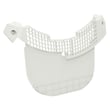
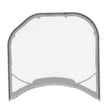
Yes, some LG dryers do have a “second” lint filter, but the LG DLGX4001W uses a single, primary lint filter that you clean before every load. If you are seeing lint buildup elsewhere, it is usually in the lint duct or venting path, not a second removable screen (see the DLGX4001W manual).
What to check on LG DLGX4001W
On this model, airflow protection is mainly about keeping the main lint screen clean and keeping the exhaust path clear.
- Pull the lint filter out and clean it before (or after) every cycle.
- Reinstall the filter fully; a loose filter can cause poor drying and lint bypass.
- Check the lint screen opening for lint packed around the edges.
- If drying times are long, inspect the vent run and outside hood for restrictions.
- If lint is getting past the screen, inspect the lint screen housing for gaps or damage.
Parts that relate to lint filtering (when replacement is needed)
If the screen or housing is cracked, warped, or not sealing, replacing the worn component can restore airflow and reduce lint escape.
| Symptom | Likely area | Example compatible part for this model |
|---|---|---|
| Lint screen won’t seat or feels loose | Lint screen housing | Dryer lint screen housing MCK49049101 |
| Screen is torn, bent, or won’t catch lint | Lint screen | LG dryer lint screen ADQ56656403 |
| Lint bypass around the screen | Lint screen guide/cover area | LG dryer lint screen guide MEA49050001 |
Why it matters
A clogged lint filter or restricted venting reduces airflow, which increases drying time and can trigger airflow-related warnings (such as Flow Sense indicators). Keeping the lint filter and exhaust duct clear helps your LG dryer run efficiently and dry evenly.
Last updated: January 2026
What are the best DLGX4001W features?
The LG DLGX4001W dryer’s standout features are its steam cycles, Flow Sense™ duct blockage sensing, and smart connectivity through LG ThinQ. It also includes a reversible door and sensor-based drying controls designed to improve drying results while helping reduce wrinkles and static (see the DLGX4001W owner’s manual).
Top features you’ll actually use
- Steam functions: Steam Fresh™ and Steam Sanitary™ help refresh items, reduce wrinkles, and support sanitizing select loads.
- Flow Sense™ indicator: Alerts you when venting restrictions reduce airflow (a common cause of long dry times).
- LG ThinQ (Wi-Fi): Lets you monitor cycles, get alerts, and use Smart Diagnosis™ from your phone.
- Sensor Dry cycles: Automatically adjusts time based on moisture levels to help prevent over-drying.
- Reversible door: Lets you change the swing direction to fit your laundry room layout.
Feature quick guide (what it helps with)
| Feature | Best for | What to expect |
|---|---|---|
| Steam Fresh™ | Light wrinkles and odors | Best with small loads (about 1 to 5 items) |
| Steam Sanitary™ | Bedding, kids’ items (as allowed) | Uses high heat; follow fabric care labels |
| Flow Sense™ | Long dry times, airflow issues | Prompts you to check and clean venting |
| LG ThinQ + Smart Diagnosis™ | Faster troubleshooting | Helps identify issues before service |
Tips to get the most from these features
- Clean the lint filter before every load; airflow affects everything from dry time to steam performance.
- Keep the vent run short and clear; Flow Sense™ warnings usually point to a vent restriction.
- Use Steam Fresh™ for dry items only; it is meant to refresh, not dry wet laundry.
- If you need to change the door swing, reverse the door before stacking the dryer.
Why it matters
Most “dryer performance” complaints come down to airflow, load size, and cycle selection. The DLGX4001W’s Flow Sense™, Sensor Dry, and steam options work together to improve results when the venting and maintenance basics are handled correctly.
Last updated: January 2026
What are the parts of a dryer called?
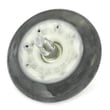
On our LG DLGX4001W dryer, parts are typically named for their function (drum, lint filter, blower wheel, thermostat, moisture sensor, idler pulley). For LG’s own terminology and a basic parts overview, use the DLGX4001W owner's manual.
Common dryer part names you will hear
These names are used across most LG dryers, including DLGX4001W:
- Drum: holds laundry and tumbles during the cycle
- Lint filter (lint screen): traps lint to protect airflow
- Blower wheel: moves air through the drum and out the exhaust
- Drive belt: turns the drum
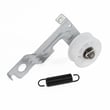
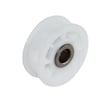
- Idler pulley: keeps belt tension correct
- Thermostat / sensors: help regulate heat and drying performance
Model-matched examples for LG DLGX4001W
These are examples of part names that appear in the compatible parts list for this model:
- LG dryer drum belt 4400EL2001F
- LG dryer idler pulley 4561EL3002A
- Dryer blower wheel 5835EL1002A
- LG dryer lint screen ADQ56656403
- Dryer moisture sensor 6500EL3001A
Quick mapping: part name vs. what it affects
| Part name | What it affects | Common symptom when it fails |
|---|---|---|
| Lint screen | Airflow, dry time | Long dry times, overheating |
| Blower wheel | Air movement | Poor airflow, rumbling noise |
| Drum belt / idler pulley | Tumbling | Drum will not turn, squealing |
| Moisture sensor | Auto-dry accuracy | Overdrying or underdrying |
Why it matters
Using the correct part name helps us match the right diagram and replacement part for your LG DLGX4001W, and it speeds up troubleshooting for issues like long dry times, noise, or clothes not drying.
Last updated: January 2026
What is the life expectancy of a LG dryer?
An LG dryer like model DLGX4001W typically lasts 10 to 15 years with normal household use. Consistent lint and vent maintenance, correct installation, and avoiding overloads are the biggest factors that help your dryer reach the high end of that range (see the DLGX4001W manual).
What affects lifespan the most
We see these items make the biggest difference in how long a dryer runs reliably:
- Airflow and venting: restricted ducts make the dryer run hotter and longer
- Lint control: cleaning the lint filter every load reduces strain on the blower and heat system
- Load habits: frequent overloading stresses the drum support rollers, belt, and motor
- Installation quality: crushed transition ducting and long vent runs increase wear
- Heat type and environment: high heat use, garages, and dusty areas can shorten life
Maintenance checklist (best ROI)
Use this simple routine to extend the life of your DLGX4001W:
- Clean the lint filter before or after every load
- Check the outside vent hood for strong airflow while running
- Inspect and clean the vent duct periodically (more often if drying times increase)
- Keep the area around and under the dryer free of lint and dust
- Do not run the dryer with a loose or missing lint screen; replace a damaged screen such as the LG dryer lint screen ADQ56656403
Quick guide: symptoms that shorten dryer life
| What you notice | What it usually means | What to do first |
|---|---|---|
| Drying takes much longer | Vent restriction or lint buildup | Clean lint filter; check vent airflow |
| Burning smell or very hot cabinet | Airflow problem or overheating | Stop use; inspect venting and lint path |
| Thumping/squealing | Wear in rollers, idler, or belt | Inspect drum support and belt system |
| Repeated error codes | Sensor/control issue | Follow troubleshooting steps in the manual |
Why it matters
A dryer that is forced to run with poor airflow or heavy loads often overheats and runs longer cycles, which accelerates wear on key components (motor, belt, thermostats, and drum support). Keeping airflow strong is the simplest way to protect performance and lifespan.
Last updated: January 2026
What is the most common problem with LG dryers?
The most common issue we see with LG dryers, including the LG DLGX4001W, is long dry times caused by restricted airflow. A clogged lint filter, lint buildup in the lint housing, or a blocked exhaust vent can trigger Flow Sense alerts, reduce heat efficiency, and make cycles run much longer (or seem like the dryer is not heating). For model-specific operating and venting requirements, use the DLGX4001W owner’s manual.
Quick checks that fix most “LG dryer not drying” complaints
- Clean the lint screen before every load and confirm it seats fully.
- Inspect the vent hood outside; make sure the damper opens strongly while running.
- Check the flexible transition duct behind the dryer for crushing or kinks.
- Avoid extra-long vent runs and too many elbows.
- Do not overload; bulky loads can trap moisture and fool sensors.
When it’s airflow vs. a part problem
Airflow restrictions are the top cause, but if airflow is good and drying is still poor, these parts are common suspects on this model family:
- Moisture sensing issues (auto cycles end early or leave damp spots): dryer moisture sensor 6500EL3001A
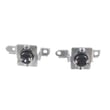
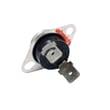
- Overheating or heat cutting out (safety devices opening due to heat or airflow problems): dryer high-limit and safety thermostat assembly AGM30045804
- Noisy operation (thumping/squealing) that can worsen performance: drum rollers, idler pulley, belt
Symptoms and likely causes (fast reference)
| Symptom | Most likely cause | What to do first |
|---|---|---|
| Clothes take too long to dry | Vent restriction or lint buildup | Clean lint screen; verify strong outside airflow |
| Flow Sense shows restriction | Duct run too long, crushed, or clogged | Shorten/straighten duct; remove lint blockage |
| Auto cycle ends too soon | Moisture sensor not reading correctly | Clean sensor bars; inspect sensor wiring/condition |
| Dryer runs but heat seems weak | Airflow issue or safety thermostat opening | Fix venting first; then test heat components |
Why it matters
Restricted airflow is more than an inconvenience; it increases drying time, wastes energy, and can cause the dryer’s safety controls to shut heat down to protect the appliance.
If you’re seeing an error code, we recommend checking the LG dryer error codes guide for the quickest model-family match.
Last updated: January 2026
What material is the DLGX4001W?
The LG DLGX4001W dryer uses a stainless steel drum, and the exterior cabinet is a painted metal finish. LG does not consistently publish a single “material” spec for every exterior panel by model, so the most reliable model-specific callout is the stainless steel drum noted in the DLGX4001W manual.
What we can confirm for this model
From the model family documentation that includes DLGX4001W, we can identify these materials/components:
- Drum: stainless steel
- Cabinet/exterior: painted metal panels (typical for this LG platform)
- Door: a reversible door assembly (materials vary by trim; commonly metal frame with a window)
Where to check on the dryer itself
If you need the exact finish or panel material for a repair, we recommend checking these spots on your DLGX4001W:
- The rating label inside the door opening (model and manufacturing details)
- The inside of the front panel (often shows coating and panel construction)
- The door assembly parts breakdown if you are matching a cosmetic piece
Common material breakdown (quick reference)
| Dryer area | What you will typically see | Why it matters |
|---|---|---|
| Drum | Stainless steel | Resists rust and chipping; affects cleaning methods |
| Cabinet | Painted steel | Determines magnet use, scratch repair, and cleaning products |
| Lint path parts | Plastic and metal ducting | Impacts heat tolerance and fit during repairs |
Why it matters
Material affects how you clean the dryer, how panels handle dents/scratches, and whether a replacement part is cosmetic (finish-match) or functional (heat and wear resistance).
Last updated: January 2026