



What is the most expensive part to replace on an AC unit?
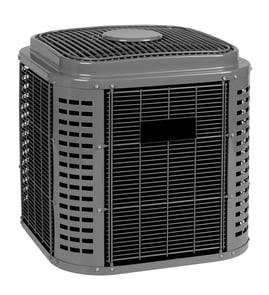
On most central AC systems (including an Icp CA5536VKA1 outdoor condenser), the compressor is typically the most expensive single component to replace because it is labor-intensive and tied to the sealed refrigerant system. Other high-cost repairs can include major electrical failures or motor-related damage.
What usually costs the most (and why)
The compressor sits at the center of the refrigeration cycle; replacing it often involves refrigerant recovery, brazing, evacuation, and recharge.
Common high-cost items on a central air conditioner:
- Compressor (most expensive in many cases)
- Refrigerant leak repair plus recharge (cost varies by leak location and refrigerant type)
- Major electrical repair (burned wiring, failed controls)
- Condenser fan motor replacement when it causes secondary damage
Parts on this CA5536VKA1 page that can be “big-ticket”
Not every expensive repair is the compressor. If your issue is airflow, overheating, or hard-starting, these parts are often involved:
- Central air conditioner condenser fan motor, 1/3-hp 1050703
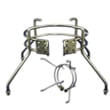
- Central air conditioner condenser fan motor mount 1051460
A failed fan motor can overheat the system and contribute to larger failures, so addressing it early matters.
Quick cost comparison (typical)
Actual totals depend on labor rates, refrigerant handling, and what failed first.
| Repair area | Typical cost driver | Why it gets expensive |
|---|---|---|
| Compressor | Parts + sealed-system labor | Refrigerant work and time-intensive steps |
| Fan motor | Parts + labor | Can be pricey and may include capacitor/contactor checks |
| Electrical (contactor/capacitor/wiring) | Diagnosis + parts | Troubleshooting time and safety requirements |
What we recommend before replacing major parts
Because central AC repairs involve high voltage and refrigerant, confirm the failure mode before buying parts.
- Shut off power at the disconnect and breaker before inspecting
- Check for obvious overheating, buzzing, or chattering at the contactor
- Test the run capacitor and contactor if the unit will not start
- Verify the condenser fan spins freely (power off)
- Use proper electrical testing methods before condemning a motor
For safe electrical testing basics, use our guide: how to use a multimeter to test electrical parts video.
Why it matters
Replacing a compressor is a major investment; if the root cause is a simpler electrical issue (like a weak capacitor) or a failing condenser fan motor, fixing the smaller problem first can prevent repeat failures and reduce total repair cost.
Last updated: February 2026
How much should a central air conditioner cost?
A typical installed central air conditioner system costs about $5,000 to $12,000 for many homes; higher prices apply for larger capacity, higher efficiency (SEER2), and complex installs. For the Icp CA5536VKA1 outdoor condenser, total cost also depends on the matched indoor coil, refrigerant work, and labor.
What drives the price most
- System size (tons/BTU): larger homes need larger equipment and adequate duct capacity.
- Efficiency rating (SEER/SEER2): higher efficiency costs more up front.
- Installation complexity: electrical upgrades, pad, line-set length, and access.
- Ductwork condition: repairs, sealing, or resizing can add significant cost.
- Refrigerant work: leak repair, evacuation, and recharge are often major line items.
Typical cost ranges (quick guide)
| What you’re paying for | Typical range | Notes |
|---|---|---|
| Outdoor condenser unit only | $1,500 to $4,500 | Varies by size and efficiency tier |
| Full system installed (condenser + indoor coil/air handler) | $5,000 to $12,000 | Most common all-in range |
| Higher-end or complex installs | $12,000 to $20,000+ | High efficiency, major duct/electrical work |
When a repair makes more sense than replacement
If your CA5536VKA1 is otherwise in good shape, a targeted repair is often cost-effective for common fan or electrical issues. Parts that are frequently involved include:
- Dual-motor run capacitor 12885 (humming, hard-start, fan struggles)
- Central air conditioner condenser fan motor, 1/3-hp 1050703 (fan not spinning, overheating shutdown)
- Central air conditioner condenser fan motor mount 1051460 (excess vibration, fan alignment issues)
Why it matters
Central AC pricing is mostly about installed performance and reliability, not just the outdoor unit price. Comparing quotes with the same size, efficiency, and scope helps prevent comfort problems and repeat service calls.
Last updated: February 2026
How long should a central AC unit last?
A central AC outdoor unit (condenser) like the Icp CA5536VKA1 lasts 15 to 20 years. Lifespan is driven by coil cleanliness, airflow, electrical health (capacitor and contactor), and how hard the system runs in your climate.
Typical lifespan and what changes it
These factors most often shorten or extend service life:
- Coastal or corrosive air speeds up coil and cabinet corrosion
- Long run times (hot climates, undersized system) increase wear
- Dirty condenser coil raises operating temperature and stresses the compressor
- Restricted airflow from a failing fan motor or debris causes high pressure and overheating
- Electrical wear (weak capacitor, worn contactor) causes hard starts and nuisance shutdowns
Quick “repair vs. replace” guide
Use this as a practical rule-of-thumb for CA5536VKA1 decisions.
| Unit age | What’s most common | Typical next step |
|---|---|---|
| Under 10 years | Electrical or airflow issues | Repair is usually the first move |
| 10 to 15 years | More frequent part failures | Compare repair cost vs. replacement |
| 15 to 20+ years | Major component wear | Replacement planning makes sense |
Parts that commonly affect reliability
If the outdoor fan is not running, the unit hums, or it struggles to start, these parts are common culprits:
- Dual-motor run capacitor 12885 (helps the compressor and fan motor start and run)
- Central air conditioner condenser fan motor, 1/3-hp 1050703 (moves air through the condenser coil)
- Central air conditioner condenser fan motor mount 1051460 (supports the fan motor to reduce vibration and misalignment)
Why it matters
When the condenser cannot start cleanly or move enough air, it runs hotter and longer. That accelerates wear and can turn a simple electrical repair into a bigger reliability problem.
Last updated: February 2026
How do you know when your central air conditioner needs to be replaced?
If your Icp central air conditioner condenser model CA5536VKA1 is 10 to 15 years old, needs frequent repairs, cools poorly, or your energy bills keep climbing, replacement is the better long-term choice than continuing to repair.
Clear signs replacement makes more sense than repair
- You are paying for repairs every season (or multiple times per season).
- The system runs longer but the house still feels warm or humid.
- Cooling is inconsistent from room to room even after basic maintenance.
- The outdoor unit is excessively noisy (grinding, squealing, hard buzzing).
- Electrical problems keep returning (intermittent no-start, buzzing at the unit, breaker trips).
- The system uses R-22 refrigerant; repair costs rise quickly when refrigerant work is involved.
Quick repair vs replace guide
| What you’re seeing | Usually points to | Why it matters |
|---|---|---|
| One-time no-start caused by a single electrical part | Repair | A contained fix can restore reliable operation. |
| Repeated no-cool calls each summer | Replace | Recurring failures signal multiple aging components. |
| Rising power bills with longer run times | Replace | Efficiency loss increases operating cost over time. |
| Major refrigerant or sealed-system problems | Replace | These repairs are typically the highest-cost category. |
Parts that often come up in “repair or replace” decisions
If you are repeatedly replacing electrical parts, that pattern often signals end-of-life for the condenser.
- Dual-motor run capacitor 12885: helps the compressor and fan motor start and run; a weak capacitor can cause hard starts and overheating.
- Central air conditioner condenser fan motor, 1/3-hp 1050703: a failing fan motor can overheat the unit and lead to shutdowns.
- Central air conditioner condenser fan motor mount 1051460: worn mounts can increase vibration and noise and stress the fan assembly.
Why it matters
Replacing at the right time helps prevent peak-season breakdowns, reduces the risk of compressor damage from overheating, and improves comfort and operating cost compared with an aging condenser.
Last updated: February 2026
What size central AC for 1200 sq ft?
For a 1,200 sq ft home, the typical central AC size is 2.0 to 2.5 tons (about 24,000 to 30,000 BTU/hr). Your Icp CA5536VKA1 is a 3.0-ton (36,000 BTU/hr) outdoor condenser, which is usually oversized for 1,200 sq ft unless the home has high heat gain.
Quick sizing rule of thumb
Most homes fall in the 20 to 25 BTU per sq ft range.
- 1,200 x 20 BTU = 24,000 BTU (2.0 tons)
- 1,200 x 25 BTU = 30,000 BTU (2.5 tons)
- Hot climates, lots of sun-exposed windows, poor insulation, or high ceilings push sizing upward
- Tight, well-insulated homes in mild climates push sizing downward
- Proper ductwork and airflow matter as much as tonnage
How your CA5536VKA1 compares
| Home size target | Typical tonnage | Typical BTU/hr | How a 3.0-ton CA5536VKA1 fits |
|---|---|---|---|
| 1,200 sq ft (average) | 2.0 to 2.5 | 24,000 to 30,000 | Often oversized |
| 1,200 sq ft (high heat gain) | 2.5 to 3.0 | 30,000 to 36,000 | Can be appropriate |
Why oversizing matters
An oversized condenser cools the air quickly but cycles on and off more often. That reduces humidity control and increases wear on electrical and motor components.
Signs your system is oversized (or has an airflow issue)
- Short cycling (runs only a few minutes, shuts off, then restarts)
- Home feels cool but clammy
- Uneven temperatures between rooms
- Outdoor unit starts hard or clicks repeatedly
- Frequent electrical part failures (for example, a weak dual-motor run capacitor 12885 or failing central air conditioner condenser fan motor, 1/3-hp 1050703)
Last updated: February 2026