 Installation guide
 Owner’s manual
 Error Codes





What is the most common problem with a GE dishwasher?
The most common GE dishwasher problems (including model GDT530PMP6ES) are the dishwasher not running, not draining, or not cleaning well. In many cases, the cause is basic: a tripped breaker, the door not fully latched, a turned-off water valve, or filters that need routine cleaning.
Most common issues and what to check first
- Won’t run at all: check the circuit breaker or a wall switch that powers the dishwasher.
- Has power but won’t start a cycle: make sure the door is firmly closed and the control panel is not locked.
- Won’t fill with water: confirm the water valve under the sink is turned on.
- Poor cleaning or gritty dishes: inspect and clean the filters (GE recommends periodic cleaning; every other month is a good baseline).
- Detergent left in the dispenser: dishes may be blocking the detergent cup; reload so spray can reach the dispenser.
- Suds in the tub: use only automatic dishwasher detergent; too much soap or the wrong type can stop proper washing.
Quick troubleshooting table
| Symptom | Most likely cause | Best first step |
|---|---|---|
| Dishwasher won’t run | Breaker tripped, power switch off, door not latched | Reset breaker, turn switch on, close door firmly |
| Never fills | Water valve off, door not closed, float stuck | Turn valve on; check door; tap float area under filter |
| Not cleaning | Filters dirty, loading issue, detergent issue | Clean filters; reload; use quality detergent |
| Detergent cup won’t empty | Dishes blocking dispenser | Reposition dishes away from dispenser |
Why it matters
These checks solve the most frequent “no start” and “not cleaning” complaints without replacing parts. Keeping filters clean and loading correctly also protects the pump and improves wash performance over time.
Helpful model-specific resources
- Use the troubleshooting and care steps in the owner's manual.
- If your dishwasher displays a code or beeps, match it using GE electronic dishwasher error codes or GE dishwasher error codes.
Last updated: February 2026
What are the commonly replaced parts in a dishwasher?
In a GE dishwasher like model GDT530PMP6ES, the most commonly replaced parts are the ones that handle water flow, heating, and sealing. When you see poor cleaning, leaks, or draining problems, these parts are the first places we check; use the owner's manual for model-specific troubleshooting steps.
Commonly replaced dishwasher parts
- Door gasket and seals: stop leaks around the door
- Drain pump and drain hose: fix “won’t drain” and standing water issues
- Water inlet valve: restores proper filling
- Heating element and thermostats: improves drying and water temperature
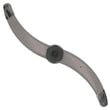
- Spray arms: restores wash pressure and cleaning coverage
- Detergent dispenser: fixes detergent cup not opening or poor wash results
- Control board or user interface: addresses no-start or dead control symptoms
Quick symptom-to-part guide
| Symptom | Most likely parts to inspect first | Also check |
|---|---|---|
| Water standing in tub | Drain pump, drain hose, air gap (if installed) | Filter assembly, high drain loop |
| Leaks at the front | Door gasket, door latch | Tub lip, spray arm obstructions |
| Not cleaning well | Spray arms, filters | Detergent, loading, water temperature |
| Not drying | Heating circuit, rinse aid system | Cycle selection, venting |
| Won’t start or stops | Control lock/settings, control board | Power supply, door latch |
Model-specific checks that prevent unnecessary part replacement
These checks come straight from typical GE dishwasher care and troubleshooting guidance for this platform:
- Clean the Ultra-Fine Filter assembly regularly (a clogged filter mimics pump failure).
- If your installation has an air gap, clean it any time the dishwasher isn’t draining well.
- If the dishwasher won’t run, check the breaker/fuse, any wall switch feeding the dishwasher, and whether the control panel is locked.
For display or fault indications, we use the GE electronic dishwasher error codes guide to match the code to the most likely circuit or component.
Why it matters
Dishwasher symptoms often overlap. For example, a clogged filter or air gap can look like a bad drain pump, and a locked control can look like a failed control board. Doing the quick checks first saves time and avoids replacing good parts.
Last updated: February 2026
Is it worth repairing a GE dishwasher?
Yes, repairing a GE dishwasher like model GDT530PMP6ES is worth it when the problem is a common wear item (drain issue, leak, poor cleaning, won’t start) and the total repair cost stays well below the price of a comparable new dishwasher; replacement makes more sense when multiple major failures stack up.
Our repair-or-replace checklist
Use these quick checks before you decide:
- Age: Dishwashers typically last 10 years.
- Failure type: One symptom is usually repairable; multiple symptoms often signal broader wear.
- Safety and access: The installation should allow future removal for service (called out in the installation guide).
- Electrical basics: A tripped breaker or switched-off power can mimic a “dead” dishwasher.
- Performance clues: Gritty dishes or reduced cleaning often points to filters needing cleaning (the owner's manual recommends periodic filter inspection and cleaning).
Common “worth repairing” problems on this type of GE dishwasher
These issues are usually straightforward and cost-effective compared with replacement:
- Dishwasher won’t run due to breaker/wall switch issues
- Not draining (often a clog, filter issue, or drain path problem)
- Not cleaning (filter maintenance, spray arm blockage, loading issues)
- Not drying (rinse aid use, cycle selection, heater-related symptoms)
- Suds/overflow from wrong detergent (manual troubleshooting covers suds removal steps)
Helpful DIY guidance: GE electronic dishwasher error codes
When replacement makes more sense
Replacement is the better value when any of these are true:
- The dishwasher is 10+ years old and needs a major repair
- You have repeated service calls for different problems (wash, drain, heat, controls)
- The tub, door, or frame has damage that affects sealing or alignment
- The repair requires extensive teardown and you also have other performance complaints
Quick decision table
| What you’re seeing | Typical direction | Why |
|---|---|---|
| One clear symptom (won’t drain, leaks, won’t start) | Repair | Often isolated to a single system (drain, fill, latch, seal) |
| Gritty dishes, poor cleaning | Repair first | Filter cleaning and maintenance commonly restores performance |
| Multiple major symptoms at once | Replace | Higher chance of multiple parts and labor adding up |
| 10+ years old plus a major failure | Replace | You are near end-of-life for the appliance type |
Why it matters
A dishwasher repair is usually a good investment when it restores reliable washing for several more years. If the unit is already near typical end-of-life, the same money often buys more reliability when put toward replacement.
Last updated: February 2026
What is the average life expectancy of a GE dishwasher?
A GE dishwasher typically lasts 10 to 12 years with normal household use. For your GE GDT530PMP6ES dishwasher, consistent care (especially cleaning and preventing buildup) helps it reach that range and avoid early failures.
Typical lifespan and what changes it
Most dishwashers fall into a fairly consistent lifespan range; how you use and maintain the unit makes the biggest difference.
- Typical range: 10 to 12 years
- Heavy use (multiple loads daily): often shorter
- Good maintenance and correct detergent use: often longer
- Hard water and frequent buildup: often shorter
- Installation quality: affects long-term reliability (leaks, vibration, wiring strain)
Maintenance that extends life (high impact)
The care steps below align with common dishwasher failure points like poor wash performance, drainage issues, and mineral film.
- Clean the interior and follow the periodic cleaning guidance in the owner's manual.
- Use quality automatic dishwasher detergent and rinse aid as recommended for GE dishwashers.
- Keep spray paths clear; avoid blocking the spray arms with tall pans or oversized cutting boards.
- Avoid overloading; it strains the wash system and reduces cleaning performance.
- Run hot water at the sink before starting a cycle when your home’s hot water takes time to reach the kitchen.
Why installation matters for lifespan
A dishwasher that is not secured correctly or is difficult to remove for service is more likely to develop issues over time. The installation guide also emphasizes installing the dishwasher so it can be removed later for service, which helps prevent damage during repairs.
| Factor | What you may notice | Why it matters |
|---|---|---|
| Hard water | White film, spotting | Buildup can reduce efficiency and stress components |
| Overloading | Poor cleaning, noisy operation | Restricts spray and increases wear |
| Infrequent cleaning | Odors, residue | Can lead to clogs and performance problems |
| Loose mounting | Vibration, rubbing noises | Can damage hoses, wiring, and tub alignment |
When “end of life” is near
These symptoms often show up as a dishwasher approaches replacement age:
- Repeated draining problems or standing water
- Persistent leaking around the door or underneath
- Cycles that stop mid-cycle or won’t complete
- Dishes consistently not cleaning or not drying despite maintenance
For control-related issues, we use the GE electronic dishwasher error codes guide to match what the dishwasher is reporting to the most likely cause.
Last updated: February 2026





