Owner’s manual
 View engine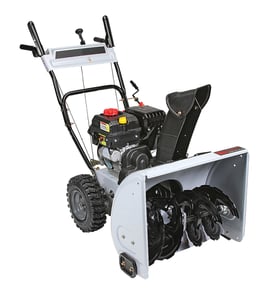




Is it worth fixing an old snowblower?
For an MTD snow thrower like model 31AH5WTG799, fixing it is worth it when the problem is a normal wear item (belts, shear pins, shave plate, cables) and the machine is otherwise solid; it is usually not worth it when the engine or gearbox needs major work and total repair cost approaches half the price of a comparable replacement.
Quick way to decide (cost, condition, and safety)
Use this checklist before buying parts or scheduling service:
- If it starts reliably and throws snow well, repairs are typically a good value.
- If it has repeated drive or auger problems (even after adjustments), costs add up fast.
- If the auger hits objects often, plan on routine shear pin replacement.
- If the unit is used on gravel, expect faster wear on skid shoes and the shave plate.
- If storage was poor (old fuel, rusted cables), budget for tune-up items and cable work.
Common “worth fixing” repairs on this model type
These are the repairs we see most often that usually make sense financially:
| Repair type | Typical symptom | Usually worth it? |
|---|---|---|
| Shear pins | Auger stops turning after hitting ice or debris | Yes |
| Belts and cable adjustments | Auger or drive does not fully engage | Yes |
| Shave plate and skid shoe setup | Poor scraping, uneven wear, gravel damage | Yes |
| Cable replacement | Lever feels loose, engagement is inconsistent | Often |
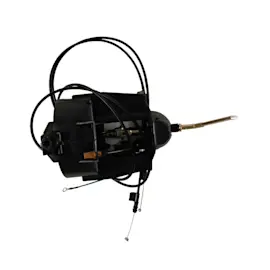
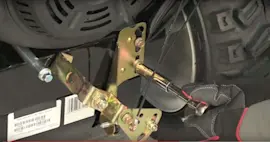
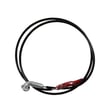
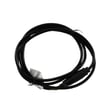
If your auger engagement is inconsistent, replacing the snowblower auger clutch cable 946-04230b is a common, practical fix.
When replacement is the better move
Major drivetrain and engine issues can exceed the value of an older machine:
- Gearbox damage (grinding noises, oil leakage, seized auger drive)
- Engine internal problems (low compression, heavy smoking, metal noise)
- Drive system failures that persist after cable adjustment (friction wheel or related components)
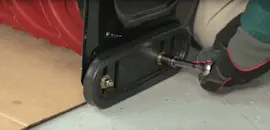
The manual notes that friction wheel replacement can require special tools and multiple component removals, which often pushes the job into “service center” territory. Use the 31AH5WTG799 owner’s manual to confirm the adjustment checks and service guidance.
Why it matters
A snowblower that is correctly adjusted and maintained clears faster and wears fewer parts. For example, the manual calls out keeping tire pressure even (about 15 to 20 PSI) to help the unit track straight and prevent uneven shave plate wear.
Last updated: January 2026
What is the typical lifespan of a gas snowblower?
For the MTD snow thrower model 31AH5WTG799, a typical real-world lifespan is 10 to 20 years with consistent maintenance; however, the operator guidance also defines an average useful life of 7 years or 60 operating hours as a key inspection milestone for safety and wear. See the 31AH5WTG799 owner's manual.
What “lifespan” means for a gas snowblower
We look at lifespan in two practical ways:
- Service life (years): how long the machine can remain reliable with normal repairs
- Use-based life (hours): how many run-hours key systems can handle before wear becomes common
- Safety inspection milestone: when annual inspections become especially important
Quick comparison
| Measure | Typical expectation | What to do when you reach it |
|---|---|---|
| Average useful life (manual guidance) | 7 years or 60 hours | Inspect annually; replace worn safety and drive/auger components |
| Typical owner lifespan (well maintained) | 10 to 20 years | Keep up with oil, fuel care, lubrication, and wear parts |
| Heavy use or poor storage | Shorter | Expect more frequent belt, friction drive, and cable service |
Maintenance that extends life the most
These steps prevent the most common “end of life” failures (fuel system issues, corrosion, and drive wear):
- Change engine oil on schedule and keep the oil at the correct level
- Use fresh fuel and follow off-season fuel storage steps (run dry or treat fuel)
- Lubricate moving points (auger shaft, wheels, and drive linkage)
- Check controls so they engage and disengage correctly; adjust when needed
- Inspect for cracks/leaks in the fuel line, tank, cap, and fittings
- Replace worn wear items before they damage larger assemblies
Wear parts that commonly decide “repair vs. replace”
On a snowblower like the 31AH5WTG799, these parts often drive performance complaints as the machine ages:
- Shear pins (protect the auger and gearbox during jams)
- Cables and linkages (drive and auger engagement)
- Shave plate and skid shoes (scraping performance and housing protection)
If your auger engagement is inconsistent, a stretched or damaged cable is a common cause; the snowblower auger clutch cable 946-04230b is one of the model-matched replacement options.
Why it matters
A snowblower can keep running for many years, but worn controls, fuel leaks, or neglected maintenance can create unsafe operation and expensive secondary damage. Using the 7-year or 60-hour mark as a checkpoint helps you keep the machine dependable for the long term.
Last updated: January 2026
Is a 2 stage or 3 stage snowblower better?
A 2-stage snowblower is the better choice for most driveways because it handles typical moderate to heavy snow efficiently with fewer moving parts; a 3-stage is better when you regularly face deep, heavy, wet snow and plow piles and want faster intake and clearing speed. For your MTD snow thrower model 31AH5WTG799, the best pick depends on your snow conditions and how quickly you need to clear.
Quick comparison: 2-stage vs 3-stage
| Feature | 2-stage snowblower | 3-stage snowblower |
|---|---|---|
| Snow-moving system | Auger feeds an impeller | Adds an accelerator to pull snow in faster |
| Best for | Most homes, typical storms | Severe winters, deep drifts, plow berms |
| Speed in heavy snow | Strong | Typically faster intake and clearing |
| Complexity | Lower | Higher (more parts to maintain) |
| Cost | Usually lower | Usually higher |
How we recommend choosing
- Choose 2-stage if you clear a standard driveway and get regular snowfall (light to heavy) but not constant plow piles.
- Choose 3-stage if you frequently deal with dense, wet snow, end-of-driveway piles, or want maximum clearing speed.
- If your area includes gravel, prioritize adjustability and safe setup; the manual recommends not operating on gravel, and if you do, keep maximum clearance between the ground and shave plate.
- If you want fewer repairs over time, 2-stage designs typically mean fewer wear points.
- If you already own a 2-stage and it struggles mainly at the street berm, a 3-stage can be an upgrade, but correct setup and technique often solve the issue first.
Setup and operation tips that matter on any stage
Even the “best” stage will perform poorly if setup is off. For the 31AH5WTG799, we follow these basics from the 31AH5WTG799 owner’s manual:
- Keep tire pressure even side-to-side (the manual calls out 15 to 20 PSI) so it tracks straight and avoids uneven wear.
- Adjust skid shoes for your surface; higher for smooth pavement, lower for uneven areas.
- Use slower ground speeds until you are comfortable; do not shift without stopping to reduce drive system wear.
- If the auger stops after hitting ice or debris, check shear pins (use the correct replacement type).
Why it matters
Stage choice affects clearing speed, cost, and maintenance. Matching the machine to your snow type reduces clogging, shear pin failures, and drive wear, and it makes your snow thrower safer and easier to control.
Last updated: January 2026