Owner’s manual
 Error Codes



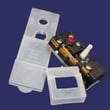
How to reset a water heater thermal switch?
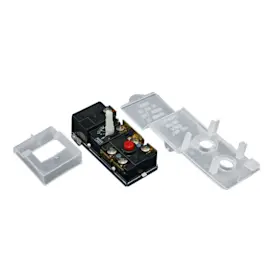
On Kenmore electric water heater model 153327566, the “thermal switch” is the high temperature shut off (high-limit) reset on the thermostat. Turn OFF power, open the access panel, press the red RESET button, then reassemble the insulation and panel before turning power back ON (see the owner's manual).
Reset steps (high-limit reset)
- Turn OFF the breaker to the water heater (confirm power is off).
- Remove the upper access panel screws and take off the panel.
- Pull back or remove the insulation block to expose the thermostat.
- Press the red button marked “RESET” until it seats.
- Reinstall the insulation so it fully covers the thermostat and element.
- Reinstall the access panel, then turn the breaker ON.
If your heater has two resets
Some installations (such as certain off-peak timer setups) use a high-limit on both thermostats. In that case, repeat the same reset process behind the upper and lower access panels.
What to check if it trips again
A high-limit that keeps tripping usually points to an overheating or control issue. Check these common causes:
- Thermostat set too high or thermostat not regulating correctly
- Loose wiring or damaged wire insulation at the thermostat or element
- Heating element problems (shorted to ground or scaled over)
- Insulation not reinstalled correctly (thermostat not covered)
- Sediment or mineral buildup causing overheating and rumbling
Quick parts reference (common related parts)
| Symptom | Part commonly involved | Example part for this model |
|---|---|---|
| No hot water after reset, heats inconsistently | Thermostat | Thermostat 100108424 |
| Breaker trips, overheating, slow recovery | Element | Element 100108346 |
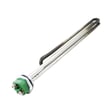
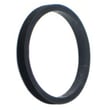
| Water leak at element after service | Element seal | Water heater heating element gasket 100108379 |
Why it matters
The high-limit reset is a safety shutoff that cuts power when water temperature gets too high. Resetting restores operation, but repeated trips mean the heater is protecting you from a condition that needs correction.
Last updated: February 2026
What is the average lifespan of an electric hot water tank?
Most electric tank-style water heaters last 10 to 15 years in typical home use. For your Kenmore 153327566 electric water heater, regular maintenance like periodic draining to remove sediment and keeping the anode rod in place helps you reach the high end of that range (and avoid early tank failure). See the owner's manual for the maintenance schedule and safety steps.
Typical lifespan and what changes it
A water heater’s life is mostly driven by water conditions and maintenance.
- Hard water and heavy sediment shorten element and tank life.
- Infrequent draining/flushing lets sediment build up and can cause rumbling and reduced efficiency.
- Anode rod condition matters; the manual warns not to remove the anode because it protects the tank.
- Higher temperature settings increase wear and scale.
- Installation and electrical supply issues can stress thermostats and elements.
Quick “repair vs replace” guide
Use this as a practical rule of thumb for an electric tank water heater.
| What you’re seeing | Most common cause | Usually makes sense to | Parts that often fix it (if applicable) |
|---|---|---|---|
| Not enough hot water | Failed element or thermostat | Repair | Element 100108346, thermostat 100108424 |
| Rumbling/popping | Scale on heating elements | Service/clean | (Cleaning per manual; replace if damaged) |
| Water around element cover | Element gasket leak | Repair | Water heater heating element gasket 100108379 |
| Tank is leaking from body/seams | Tank failure | Replace | (Tank replacement, not a part repair) |
Maintenance that extends life (and why it matters)
Sediment acts like insulation on the heating elements, which makes the heater work harder and can lead to noise, slow recovery, and premature part wear. The manual specifically calls out periodic draining and cleaning of sediment.
- Turn OFF power before servicing.
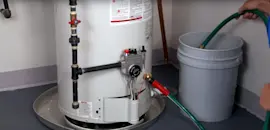
- Close the cold water inlet, open a hot faucet, then drain from the drain valve.
- If you notice odor issues, the manual notes anode-related solutions; keep the tank protected with an anode.
Safety note
Before removing access panels or servicing, we follow the manual’s guidance to shut OFF electrical power to prevent electrical shock.
Last updated: February 2026
How to tell if an electric water heater element is bad?
A bad heating element in your Kenmore electric water heater model 153327566 usually shows up as no hot water, not enough hot water, or a heater that heats slowly. The most reliable way to confirm it is bad is to shut off power and test the element with a multimeter, then replace the failed element and its gasket.
Quick symptoms that point to a failed element
- No hot water (especially if the upper element fails)
- Lukewarm or limited hot water (often the lower element)
- Hot water runs out faster than normal
- Breaker trips or fuses blow when the heater tries to heat
- Popping or sizzling sounds (sediment buildup can overheat an element)
How we test an element (safe, basic method)
- Turn OFF the water heater breaker (electrical shock hazard).
- Remove the access panel and insulation to reach the element terminals (see the owner's manual).
- Disconnect the two wires from the element screws.
- Set your multimeter to ohms (Ω) and measure across the two element screws.
- Check for a short to ground by measuring from each screw to the metal tank.
What the meter readings mean
| Test | Normal result | Bad element result |
|---|---|---|
| Resistance across the two screws | A steady resistance reading (commonly in the 10 to 30 Ω range, depending on wattage) | OL, infinite, or no change (open circuit) |
| Screw to tank (ground test) | No continuity | Continuity (shorted to ground) |
If the element is bad: replacement parts that fit this model
When you replace an element, we install a new gasket to prevent leaks, then refill the tank completely before restoring power.
Common matching parts on this model page include:
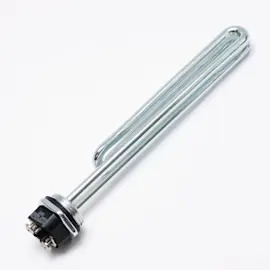
- Element 100108346 (part number 31906)
- Element 100093526 (part number 31908)
- Water heater heating element gasket 100108379 (part number 9000308)
Why it matters
A weak or failed element forces longer heat cycles, reduces hot water capacity, and can lead to nuisance breaker trips. Replacing the element and gasket correctly also helps prevent leaks at the tank fitting.
Last updated: February 2026
What is usually the most common water heater problem?
For the Kenmore 153327566 electric water heater, the most common problem we see is not enough or no hot water, usually tied to power supply issues, thermostat settings, or a failed heating element. Another very common issue is noise from normal expansion or sediment-related rumbling; the owner's manual walks through these symptoms and checks.
Most common problems (and what they look like)
- No hot water or not enough hot water: slow recovery, lukewarm water, or hot water runs out fast
- Strange sounds: popping, rumbling, or ticking during heat-up and cool-down
- Water odor (rotten egg smell): often linked to an anode rod reaction with certain water conditions
- Water on the floor: can be condensation, a loose connection, a slightly open drain valve, or a leaking element gasket
- Water too hot: thermostat set too high or a control issue
Quick checks we recommend first (electric models)
- Confirm the breaker is on and the home has power.
- Check for loose or blown fuses in the water heater circuit (and replace weak breakers if they trip under load).
- Verify the cold water supply valve is open and piping is connected correctly.
- Confirm thermostat(s) are set to the desired temperature.
- If you had very hot water and then none, reset the high-limit (if it trips again, stop and have the cause corrected).
Common part-related causes for this model
If the basics check out, these parts are frequent culprits on electric water heaters:
| Symptom | Likely part area | Example part for this model |
|---|---|---|
| No/low hot water | Heating element | Element 100108346 or element 100093526 |
| Water temperature swings | Thermostat | Thermostat 100108424 or thermostat 100108683 |
| Leak at element opening | Element seal | Water heater heating element gasket 100108379 |
| Odor in hot water | Corrosion protection | Anode rod 100108660 |
Why it matters
Catching the common issues early helps prevent bigger failures. For example, a leaking element gasket can damage wiring and insulation, and persistent odor often points to an anode-related water chemistry reaction that is fixable without removing tank protection.
Last updated: February 2026
Can you replace parts on a hot water heater?
Yes. On a Kenmore 153327566 electric water heater, we can replace many service parts (heating elements, thermostats, anode rod, dip tube, drain valve, and T&P valve) to restore hot water and extend heater life; we match parts by model and electrical rating using the owner's manual.
Parts you can commonly replace on this model
These are typical replaceable items for the Kenmore 153327566, and several are available for this model:
- Heating elements (upper and lower)
- Thermostats (upper and lower)
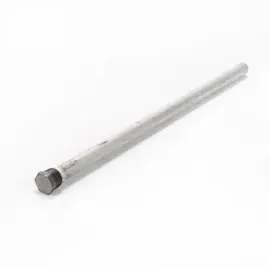
- Anode rod (corrosion protection)
- Dip tube (cold water inlet tube)
- Drain valve (tank draining)
- Temperature and pressure relief valve (T&P valve)
Quick part examples (from this model’s parts list)
| Symptom | Likely part to check | Example part on this model |
|---|---|---|
| Not enough hot water | Lower element or thermostat | Element 100093526 or thermostat 100108424 |
| No hot water | Upper thermostat or upper element | Thermostat 100108683 or element 100108346 |
| Rotten egg smell or fast tank corrosion | Anode rod | Anode rod 100108660 |
| Water at element cover | Element seal | Water heater heating element gasket 100108379 |
| Won’t drain or drips at drain | Drain valve | Ao smith water heater drain valve 100108605 |
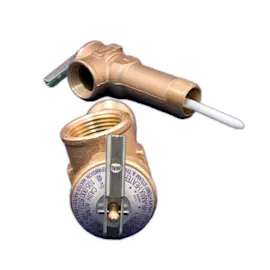
| Water discharges from relief line | T&P valve | Temperature and pressure valve 100108779 |
Safety first (electric water heater basics)
We treat electric water heater repairs as electrical and plumbing work.
- Turn OFF the water heater breaker and confirm power is off with a meter
- Shut off the cold water supply before opening the tank
- Let water cool if possible; hot water can cause burns
- Never cap or plug a T&P valve discharge line
- Refill the tank completely and purge air before restoring power (dry-firing an element can ruin it)
Model-specific notes that affect parts selection
The manual’s parts information for this Kenmore family notes 3800-watt elements and that the lower element is a factory-installed convertible element (commonly 3800W or 5500W operation depending on wiring). Use the wiring/ratings information in the owner's manual so the replacement element matches your voltage and wattage.
Why it matters
Replacing the correct service part is usually faster and less expensive than replacing the entire water heater, but using the wrong wattage, incorrect wiring, or a leaking gasket can create repeat failures and water damage.
Last updated: February 2026