Owner’s manual
 Error Codes




What is the disadvantage of a side-by-side fridge?
A common disadvantage of a side-by-side refrigerator like the GE GSE23GSKJCSS is reduced usable width in both compartments, which makes wide items (pizza boxes, party trays, large platters) harder to store. The vertical layout can also make fresh-food items less visible at a glance.
Common drawbacks (and what you can do)
- Narrow shelves: Large, flat items may not fit without rearranging.
- More bending and reaching: Fresh-food shelves run top-to-bottom, so you may reach more often for everyday items.
- Freezer organization can get cluttered: Tall, narrow bins can hide items behind other items.
- Door storage limits: Gallon jugs and tall bottles may compete for space.
- Airflow sensitivity: Overpacking can block vents and cause warm spots.
Quick comparison: side-by-side vs. French door
| Feature | Side-by-side (like GSE23GSKJCSS) | French door |
|---|---|---|
| Fits wide platters | Lower | Higher |
| Freezer access | Easy, eye-level | Often lower drawer |
| Fresh-food visibility | Moderate | Higher |
| Organization style | Vertical zones | Wide shelves |
Why it matters
If you regularly store wide containers or meal-prep trays, the side-by-side layout can feel restrictive even when total cubic feet is similar. On the other hand, side-by-side designs often make frozen foods and the ice and water dispenser easier to access.
Tips to make a side-by-side easier to live with
- Keep frequently used fresh items at eye level.
- Use clear bins to create “zones” (snacks, deli, leftovers).
- Avoid blocking air vents with tall packages.
- Keep the freezer sorted by category (meat, vegetables, breakfast).
- Follow the shelf and bin setup shown in the GSE23GSKJCSS owner’s manual.
Last updated: January 2026
Are GE side-by-side refrigerators good?
GE side-by-side refrigerators like model GSE23GSKJCSS are a solid choice for everyday use because they typically deliver consistent cooling, easy organization with shelves and bins, and convenient ice and water dispensing. Long-term satisfaction depends most on proper setup, clean airflow, and routine filter maintenance.
What “good” usually means for this GE side-by-side
- Stable temperatures when vents are clear and doors seal well.
- Convenient access to both fresh food and freezer items at eye level.
- Useful features such as an automatic icemaker and dispenser (common on this platform).
- Serviceable design with replaceable parts like sensors, fans, and water system components.
- Better performance over time when you follow the care and cleaning guidance in the GSE23GSKJCSS owner’s manual.
Quick pros and tradeoffs
| Category | Side-by-side strengths | Common tradeoffs |
|---|---|---|
| Storage | Easy access to both compartments | Narrower shelf width for pizza boxes and platters |
| Freezer use | More shelves and door bins | Less wide open space than some top-freezer designs |
| Dispenser | Water and ice at the door | More parts to maintain (filter, valve, chute door) |
Maintenance that keeps performance “good”
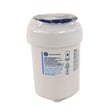
- Replace the water filter on schedule; a clogged filter can reduce water flow and affect ice production. For this model, the listed filter is GE refrigerator water filter MWFP.
- Keep the condenser area clean so the compressor can shed heat efficiently.
- Make sure doors close fully and gaskets seal all the way around.
- Avoid blocking interior air vents with food packages.
- If temperatures swing, a failed sensor can be a cause; one listed option is GE profile refrigerator temperature sensor WR55X10025.
Why it matters
Most “bad refrigerator” complaints come from airflow restrictions, dirty condenser coils, or neglected water filtration. Staying ahead of those basics helps a GE side-by-side run quieter, cool more evenly, and make ice more reliably.
Last updated: January 2026
What is the most common problem with GE refrigerators ice maker?
On the GE GSE23GSKJCSS side-by-side refrigerator, the most common ice maker problem is no ice or small/hollow cubes caused by a restricted water supply, most often a clogged water filter or a shutoff valve or supply line issue. Use the GSE23GSKJCSS owner's manual troubleshooting chart to confirm the cause.
Quick checks we recommend first
- Make sure the ice maker power switch is set to ON.
- Confirm the freezer has had 24 hours to fully cool after any change.
- Check for piled-up cubes in the bin; level them by hand so the ice maker can cycle.
- Look for ice cubes stuck in the ice maker; turn the ice maker off, clear cubes, then turn it back on.
- If cubes are small or hollow, treat it as a water flow problem and check the filter and water supply.
Most common causes and what they look like
| Symptom | Most likely cause | What to do next |
|---|---|---|
| No ice production | Water supply turned off or not connected | Verify the shutoff valve is open and the water line is installed correctly |
| No ice or slow ice | Clogged filter | Replace the filter or install the bypass plug temporarily |
| Small or hollow cubes | Filter restriction or low water pressure | Replace the filter; confirm strong flow at the dispenser |
| Ice maker stops intermittently | Bin cubes piled up or jam | Level cubes; clear jammed cubes |
Parts that commonly fix water-supply related ice issues
If you confirm low flow at the dispenser or hollow cubes, these parts are common fixes:
- GE refrigerator water filter MWFP (replace when clogged)
- Refrigerator water valve WR57X33326 (if the valve is weak, noisy, or not opening fully)
- Refrigerator water reservoir assembly WR17X11440 (if the reservoir is frozen or restricted)
Why it matters
An ice maker is basically a timed fill and freeze system. When water flow is restricted (filter, valve, supply line), the mold under-fills, which leads to no ice, slow production, or small and hollow cubes.
Last updated: January 2026