





Can I replace dishwasher parts myself?
Yes, for a GE GDF550PSR6SS dishwasher, we can replace many common parts ourselves if the repair is mechanical and accessible (like cleaning components or rack hardware). For electrical diagnostics, leak-related repairs, or anything involving wiring, we recommend using a proven step-by-step guide and working carefully with power and water shut off.
Good DIY repairs vs. better left to a pro
Usually DIY-friendly
- Cleaning the filter area and sump cover
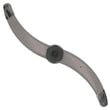
- Replacing a spray arm (if it twists off or unclips)
- Adjusting or replacing rack wheels and rack stops
- Clearing a drain hose restriction at the sink/disposal connection
- Refastening the dishwasher to the cabinet to stop tipping
Often pro-level (or advanced DIY)
- Control board, user interface, or wiring harness work
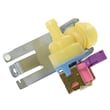
- Water inlet valve replacement (tight plumbing access, leak risk)
- Circulation pump or motor replacement
- Leak troubleshooting involving door alignment, tub seals, or internal hoses
Safety checklist before you start
- Turn off power at the breaker (do not rely on the door switch).
- Shut off the dishwasher water supply valve.
- Protect the floor; keep towels ready for residual water.
- Take photos of wire locations and hose routing before disconnecting anything.
- Run a short test cycle after reassembly and check for leaks underneath.
Quick “is this worth DIY?” guide
| What you see | Most likely area | DIY difficulty |
|---|---|---|
| Won’t start, lights on | Door latch, control, mode setting | Medium |
| Not draining | Drain hose, air gap, pump area clog | Medium |
| Not cleaning | Spray arms, filter/sump, wash pump | Medium to high |
| Leaks | Door seal, hose, pump, inlet | Medium to high |
Why it matters
Dishwasher repairs often combine electricity and water. Using the right troubleshooting steps helps prevent repeat failures, nuisance leaks, and unnecessary part replacement.
Helpful DIY resources
- Use GE electronic dishwasher error codes to interpret beeps, blinking lights, or fault codes before replacing parts.
- If the unit has power but won’t run, follow dishwasher wont start video to check common causes like door closure and basic control issues.
Last updated: February 2026
What is the average lifespan of a GE dishwasher?
A GE dishwasher typically lasts 10 to 12 years. For your GE GDF550PSR6SS, reaching the high end of that range depends most on water quality, how often it runs, and routine care of the filter, spray arms, and door seals.
Typical lifespan range (what to expect)
Most dishwashers fall into a predictable window based on use and maintenance.
| Lifespan estimate | What it usually means |
|---|---|
| 8 to 10 years | Heavy use, hard water, limited cleaning/maintenance |
| 10 to 12 years | Average household use with basic upkeep |
| 12 to 15 years | Lighter use, good loading habits, regular cleaning |
What shortens a dishwasher’s life fastest
These are the most common wear drivers we see on GE dishwashers like the GDF550PSR6SS:
- Hard water scale building up on the heater area, sump, and spray arms
- Clogged filter or chopper area causing poor circulation and pump strain
- Frequent overloading that blocks spray patterns and stresses racks and rails
- Detergent issues (too much, wrong type, or old detergent) leaving residue
- Door seal leaks that let moisture reach electrical components
How to help your GE dishwasher last longer
A few habits make a measurable difference in pump life, cleaning performance, and leak prevention:
- Clean the filter area regularly and remove debris after heavy loads
- Rinse out and clear spray arm holes if you notice weak washing
- Run hot water at the sink before starting a cycle (improves wash temperature sooner)
- Use rinse aid to reduce spotting and improve drying performance
- Do a monthly cleaning cycle to reduce grease and mineral buildup using how to clean and maintain your dishwasher
Why it matters
Dishwashers usually fail from circulation/drain problems, leaks, or heating issues. Preventing clogs and scale buildup reduces strain on the pump and helps the unit maintain normal cycle times and drying performance.
Last updated: February 2026
What is the most common problem with GE dishwashers?
For GE dishwashers like model GDF550PSR6SS, the most common service issues are not draining, not starting, and leaking. In many homes, a clogged filter area or drain path causes the biggest day-to-day complaint: water left in the bottom after the cycle.
Most common problems (and what they usually point to)
- Not draining / standing water: clogged filter area, blocked drain hose, jammed drain pump, or a sink/disposer drain restriction
- Won’t start / stops mid-cycle: door latch not closing fully, control lock or demo mode, or a control problem
- Leaking: door gasket wear, loose hose connections, or a misaligned door
- Not cleaning well: spray arm blockage, low water fill, or heavy soil buildup
- Not drying: rinse aid low, heater or venting issue, or plastic items holding water
Quick checks we recommend first
- Cancel/Drain the cycle and listen for the drain pump running.
- Check the tub bottom for food debris around the filter area and sump.
- Inspect the drain hose routing: it should not be kinked; a high loop helps prevent backflow.
- Confirm the door closes firmly and the latch engages.
- Reset power: turn the breaker off for 1 minute, then back on.
Symptom-to-cause cheat sheet
| Symptom | Most likely cause | Best first action |
|---|---|---|
| Water left in bottom | Drain restriction | Clean filter area; check hose and sink drain |
| Has power but won’t run | Door latch/control setting | Re-close door; check settings and reset |
| Puddle at front | Door seal or alignment | Inspect gasket; level the dishwasher |
| Dishes gritty | Filter/spray arm blockage | Clean filter area; clear spray arm holes |
Why it matters
Drain and wash performance problems often start small (debris, kinks, loading issues) and then lead to odors, poor cleaning, and repeat cycle failures. Catching the restriction early prevents pump strain and repeat clogs.
Helpful GE troubleshooting resources
- Use GE electronic dishwasher error codes when the control shows a code or unusual light pattern.
- Use GE dishwasher error codes for general GE code lookups and symptom matching.
- If the unit won’t begin a cycle, follow dishwasher wont start video.
- If water remains after the cycle, follow dishwasher not draining video.
Last updated: February 2026
How to fix spray arm on GE dishwasher?
On the GE GDF550PSR6SS dishwasher, most spray arm problems are caused by a loose spray arm, clogged spray holes, or a blocked filter area. We fix it by removing the rack, reseating the spray arm so it locks in place, then cleaning the spray arm and sump area so water pressure can spin it normally.
Quick checks that solve most spray arm issues
- Turn off power at the breaker before reaching into the sump area.
- Confirm the lower spray arm spins freely by hand (it should not hit dishes or the rack).
- Remove the spray arm and rinse it; clear every spray hole with a toothpick or soft brush.
- Check for labels, glass, bones, or seeds stuck around the filter and sump inlet.
- Reinstall the spray arm fully; many GE designs use a twist-to-lock or snap-on hub that must seat flat.
Reinstall basics (lower spray arm)
- Pull out the lower rack.
- Lift the lower spray arm straight up (or release the center hub, depending on the design).
- Clean the hub and mating surface; grit here can keep it from locking.
- Set the spray arm back on the mount and rotate or press until it seats securely.
- Reinstall the lower rack and run a short cycle to confirm strong spray and normal rotation.
What the symptom usually means
| Symptom | Most common cause | What to do |
|---|---|---|
| Arm does not spin | Clogged spray holes or low water flow | Clean spray arm holes; clear filter/sump area |
| Poor cleaning on bottom rack | Blocked arm, wrong loading | Re-load so tall items do not block rotation |
| Clicking or knocking | Arm hitting dishes | Adjust loading; verify rack is fully on the rails |
| Arm falls off | Hub not seated or worn | Re-seat firmly; inspect hub for cracks or stripped tabs |
Why it matters
The spray arm is the dishwasher’s “pressure washer.” If it cannot spin or spray evenly, the GE GDF550PSR6SS will leave food behind, and the pump can sound louder because water flow is restricted.
Related DIY help
If the dishwasher also stops mid-cycle or shows a code, use GE electronic dishwasher error codes to match the symptom to the right checks.
Last updated: February 2026





