Owner’s manual
 View engine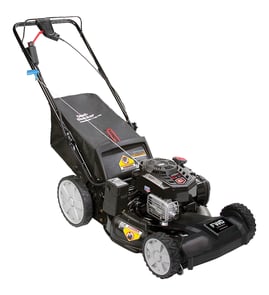




How to identify a lawn mower model?
To identify your lawn mower model, we look for the model number label stamped or printed on the mower’s deck or engine area. For your MTD walk-behind mower, confirm the exact model number (such as 12ABB22J799) and use it when ordering parts or checking diagrams in the 12ABB22J799 owner's manual.
Where to look on a walk-behind mower
Check these common spots first (clean off grass and dirt so the label is readable):
- Rear left side of the cutting deck (top side)
- Rear of the deck, between the wheels
- Right or left side of the frame near the height adjusters
- Near the starter rope housing or recoil starter area
- On or near the engine shroud (blower housing)
What you need to write down (and why)
The model label often includes multiple identifiers. Use this quick guide:
| What you see on the label | What it’s used for | Example |
|---|---|---|
| Model number | Matches the correct parts list and diagrams | 12ABB22J799 |
| Serial number | Identifies your specific production unit | Varies |
| Engine model/type/code | Helps match engine-specific parts (plug, carb, filter) | Varies |
Tips to avoid ordering the wrong parts
These steps prevent the most common mix-ups with MTD walk-behind mowers:
- Match the full model number exactly, including any letters or suffixes
- Use the mower model number for deck, wheels, cables, and bagging parts
- Use the engine numbers for engine-only parts (spark plug, carburetor, air filter)
- If the label is faded, take a clear photo and zoom in under bright light
- Compare your mower’s features (drive system, deck size, bagger style) to the diagrams in the manual
Why it matters
MTD often uses similar-looking decks and handles across multiple series. The correct model number ensures the right fit for parts like a drive belt, wheel, or control cable, and it keeps troubleshooting steps aligned with your exact configuration.
Last updated: February 2026
What is the average lifespan of a gas lawn mower?
Most gas walk-behind lawn mowers, including the MTD 12ABB22J799, typically last 10 to 15 years with normal residential use and basic maintenance. Lifespan is driven more by upkeep (oil, blade, fuel care) and storage than by the deck size or bagger setup; see the 12ABB22J799 owner's manual for the maintenance schedule.
What affects lifespan the most
- Oil changes and oil level checks (running low on oil shortens engine life fast)
- Clean air filter and cooling fins (overheating accelerates wear)
- Fresh fuel and proper off-season storage (prevents carburetor varnish)
- Blade condition and balance (reduces vibration that damages crankshaft and deck)
- Deck cleaning (wet buildup traps moisture and speeds corrosion)
Typical lifespan by use and care
| Use pattern | What we typically see | What helps most |
|---|---|---|
| Light use (small yard, dry grass) | 12 to 15 years | Annual tune-up, clean storage |
| Average use (weekly mowing seasonally) | 10 to 12 years | Fuel care, blade sharpening |
| Heavy use (thick grass, long seasons) | 7 to 10 years | More frequent service, avoid overheating |
Maintenance habits that extend life
- Change oil on schedule and keep it at the correct level.
- Sharpen or replace the blade when cuts look ragged; use our how to sharpen a lawn mower blade steps.
- Keep the underside of the deck clean and dry after mowing.
- Use fresh gasoline and stabilize fuel before storage; follow our how to winterize a lawn mower checklist.
- Replace worn drive components early if the mower is self-propelled (belt and cable wear can snowball into bigger repairs).
Why it matters
A mower that starts easily, cuts cleanly, and self-propels smoothly puts less strain on the engine, transmission, and deck housing. That reduces vibration, overheating, and corrosion, which are the biggest lifespan killers on gas walk-behind mowers.
Last updated: February 2026
How do I troubleshoot my 12ABB22J799?
For your MTD 12ABB22J799 walk-behind gas mower, troubleshoot by matching the symptom (no-start, stalls, poor cut, or no self-propel) to the most likely system: fuel, ignition, safety controls, drive belt/cable, or the cutting deck. Use the 12ABB22J799 owner's manual for control locations and adjustment specs.
Quick symptom checklist
- Won’t start: verify fresh fuel, open fuel valve (if equipped), and correct choke/primer use.
- Starts then dies: check for restricted airflow (dirty filter), stale fuel, or a binding blade/deck.
- Poor cut or vibration: inspect blade condition, blade adapter, and deck buildup.
- Self-propel not moving: check drive control engagement, cable adjustment, and belt condition.
- Bagging or mulching issues: confirm the correct rear door position, bag/frame fit, and mulching plug installation.
Step-by-step troubleshooting (safe, fast order)
- Shut the engine off and let it cool; disconnect the spark plug wire before touching the blade or belt area.
- Fuel basics: drain old fuel, refill with fresh fuel; make sure the cap vent is not blocked.
- Air and spark: clean/replace the air filter; inspect the spark plug for fouling and correct gap.
- Safety and control cables: confirm the zone control bar is fully held; check for slack, kinks, or binding.
- Drive system (self-propel): inspect the lawn & garden equipment belt 954-04260 for glazing, cracking, or looseness; verify the drive cable moves the transmission engagement arm.
- Cutting system: clean packed grass from the deck; inspect the blade and the lawn mower blade adapter 687-02528 for wear or stripping.
Common causes by symptom
| Symptom | Most common cause | What to check first |
|---|---|---|
| No start | Fuel or spark issue | Fresh fuel, spark plug condition |
| Dies in tall grass | Overload or clogged deck | Deck cleaning, blade sharpness |
| Excess vibration | Bent blade or loose adapter | Blade, blade adapter fit |
| No self-propel | Belt/cable out of adjustment | Belt wear, cable tension |
Why it matters
Correct troubleshooting prevents repeat failures and protects high-wear parts like the drive belt, control cables, and blade adapter. It also reduces engine strain and improves cut quality.
Last updated: March 2026