

Who makes the best .095 trimmer line?
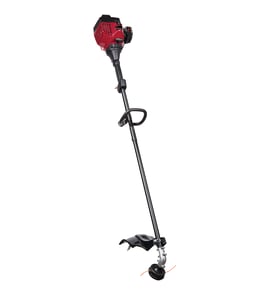
For a Craftsman 316795001 gas line trimmer, the “best” .095 trimmer line is the one that matches your cutting conditions; most homeowners get the best results from a premium, abrasion-resistant line (often marketed as “diamond” or “twist” style) because it lasts longer and cuts cleaner in thick weeds.
How to choose the best .095 line for your yard
Use these factors to pick the right .095 line type for performance and durability:
- Heavy weeds and fence lines: choose abrasion-resistant line (often “diamond” profile)
- General trimming: choose round line for smooth feeding and lower vibration
- Thick grass with frequent edging: choose twist line for quieter operation and cleaner cuts
- Rocky areas: prioritize impact resistance over maximum sharpness
- Frequent line breaks: step up to a tougher profile before increasing diameter
Quick comparison of common .095 line styles
| Line style | Best for | Typical tradeoff |
|---|---|---|
| Round | Everyday trimming, easy feeding | Wears faster in abrasive spots |
| Twist | Quieter trimming, cleaner cut | Can be slightly less durable on rocks |
| Diamond / square | Tough weeds, long life | Can be noisier, may wear eyelets faster |
Why it matters
Using the right .095 line reduces reloads, improves cut quality, and helps prevent extra strain on the trimmer head and clutch. If your trimmer runs rough or bogs down in heavy growth, line choice and technique can make a noticeable difference.
Tips to get the longest life from .095 line
- Keep the line at the correct length; let the cutoff blade trim it
- Avoid “sawing” into chain link, brick, and concrete edges
- Tap-feed only as needed; overfeeding wastes line
- Store spare line sealed and out of direct sun to reduce brittleness
For more tuning and performance tips, use our how to tune up a grass line trimmer video.
Last updated: February 2026
How to remove string trimmer head craftsman?
To remove the trimmer head on your Craftsman 316795001 gas line trimmer, lock the shaft, then unthread the head from the gearbox (most heads loosen by turning clockwise because they use left-hand threads). Once it breaks free, spin it off by hand and reinstall by threading it back on snugly.
Safe prep (do this first)
- Shut the engine off and let it cool completely.
- Disconnect the spark plug boot so it cannot start accidentally.
- Work on a flat surface; set the trimmer down with the cutting head facing up.
- Wear gloves; the debris shield and cutting line can be sharp.
Steps to remove the head (typical Craftsman bump-head)
- Align the locking holes/notches: Rotate the head until the notch in the base plate lines up with the notch/hole in the gearbox housing.
- Lock the shaft: Insert a small screwdriver, Allen key, or the locking pin (if your unit came with one) to keep the shaft from turning.
- Unthread the head: With the shaft locked, turn the head clockwise to loosen (common left-hand thread design on many gas trimmers).
- Remove and inspect: Spin the head off; check for a spring, washer, or spacer that may stay on the shaft.
If the head will not budge
- Tap the head lightly while keeping the shaft locked to break dirt and corrosion loose.
- Clean grass wrap from the shaft area and around the head.
- Apply a small amount of penetrating oil to the threads; wait 10 to 15 minutes, then try again.
- Use a strap wrench for grip (avoid crushing the head housing).
Thread direction quick check
| What you see | What it usually means | What to try |
|---|---|---|
| Head loosens turning clockwise | Left-hand thread | Turn clockwise to remove |
| Head loosens turning counterclockwise | Right-hand thread | Turn counterclockwise to remove |
Why it matters
Removing the head the correct way prevents stripped threads on the drive shaft/gearbox and makes it easier to service common wear items like the bump knob, spool, and cutting line.
For more repair and maintenance help for gas trimmers, use our line trimmer repair guides landing page.
Last updated: February 2026
Which is better, .080 or .095 trimmer line?
For a Craftsman 316795001 gas line trimmer, .095-inch line is the better choice for most cutting because it holds up longer in thicker grass and weeds. .080-inch line is better when you want easier feeding and lighter load on the engine for routine trimming.
Quick pick guide
- Choose .095 for heavy weeds, fence lines, and longer runtime between line breaks
- Choose .080 for light grass, edging, and smoother bump-feed performance
- If your trimmer head or spool lists a maximum diameter, do not exceed it
- If the engine bogs down with .095, step down to .080
- If line keeps snapping with .080, step up to .095
.080 vs .095: what changes
| Feature | .080-inch line | .095-inch line |
|---|---|---|
| Best for | Light trimming and edging | Thick grass and weeds |
| Durability | Moderate | Higher |
| Cutting aggressiveness | Moderate | Higher |
| Engine load | Lower | Higher |
| Feed reliability | Often easier | Can be slightly harder to feed |
How to choose for your yard
- Start with .095 if you regularly hit tough weeds or trim around rocks, curbs, or chain-link.
- Use .080 if you mainly edge sidewalks and trim maintained lawn.
- Match the line shape to the job: round for general use, twisted for quieter cutting, square/star for more aggressive cutting (but it can wear faster on hard surfaces).
Why it matters
Line diameter affects cut quality, fuel use, vibration, and how often you stop to re-spool. Using the thickest line your trimmer head is designed to handle gives the best balance of durability and performance.
For more DIY help with performance and cutting issues, use our solving common problems with line trimmer cutting lines guide.
Last updated: February 2026
What is the lifespan of a line trimmer?
A gas line trimmer like the Craftsman 316795001 typically lasts 8 to 12 years for homeowner use with regular maintenance; heavy commercial use is better measured in hours and commonly reaches 900 to 1,200+ operating hours when it is cared for properly.
What affects lifespan the most
- Fuel quality and storage: fresh, properly mixed fuel (if 2-cycle) and draining or stabilizing fuel for storage
- Air filtration: a clean air filter prevents dirt from wearing out the cylinder and piston
- Cooling and cleanliness: keeping debris off the engine and cooling fins reduces overheating
- Cutting load: thick weeds and constant full-throttle cutting shortens engine life
- Routine tune-ups: spark plug, fuel filter, and carburetor adjustments/rebuilds as needed
Maintenance schedule we recommend
| Task | Typical interval | Why it matters |
|---|---|---|
| Check/clean air filter | Every 5 to 10 hours | Protects the engine from abrasive dirt |
| Inspect/replace spark plug | Seasonally or every 25 to 50 hours | Helps starting and smooth running |
| Check fuel lines and primer bulb | Seasonally | Prevents air leaks and fuel starvation |
| Clean debris from engine area | Every use | Reduces overheating |
Signs your trimmer is nearing end of life
- Compression feels weak (starter rope pulls too easily)
- It won’t start even after fresh fuel, a new plug, and a clean filter
- It runs rough or stalls unless you keep the throttle open
- Fuel system problems keep returning (leaks, cracked lines, hard priming)
Why it matters
Knowing the expected lifespan helps you decide whether a tune-up is worth it or whether it is time to plan for a major repair (carburetor, fuel system, or engine work). For common performance issues, we use the troubleshooting steps in line trimmer symptoms landing page.
Last updated: February 2026
How to replace line on Craftsman gas trimmer?
To replace the cutting line on your Craftsman 316795001 gas line trimmer, you remove the trimmer head cap, wind new line evenly onto the spool (no overlaps), then reinstall the spool and feed the line ends through the eyelets so it advances smoothly when you bump the head.
Before you start (safety and setup)
- Shut the engine off and let it cool completely.
- Disconnect the spark plug wire to prevent accidental starting.
- Work on a flat surface; wipe grass and debris off the trimmer head.
- Use the correct diameter line for your trimmer head (most gas trimmers use 0.080 in to 0.095 in line).
- Cut two equal lengths of line if your head uses dual line.
How to reload the trimmer head (typical bump-feed steps)
- Remove the bump knob/cap: Hold the head and unscrew or release the cap (style varies by head).
- Lift out the spool: Note how the spring and spool sit so you can reinstall them the same way.
- Wind the line:
- Find the arrow on the spool showing winding direction.
- Wind the line tight and even in the spool channels.
- Keep wraps side-by-side; do not overlap (overlaps cause tangles and feed problems).
- Lock the line ends (if your spool has notches): Clip the ends into the retaining slots.
- Reassemble:
- Feed line ends through the eyelets in the head.
- Reinstall the spool, spring, and cap.
- Pull both ends to release them from the notches and set equal lengths.
Quick checks if the line will not feed
- Line is too thick or brittle; switch to the correct diameter and fresh line.
- Spool is wound backwards; rewind in the arrow direction.
- Line is overlapped or packed too tight; rewind with neat, even wraps.
- Eyelets are clogged or worn; clean debris and inspect for grooves.
Line length and winding guide
| Head type | What you load | Typical cut length | Common mistake |
|---|---|---|---|
| Dual-line bump head | Two lines or one folded line | 10 to 20 ft total | Overlapping wraps |
| Single-line bump head | One line | 10 to 15 ft | Winding backwards |
Why it matters
Correctly wound line reduces tangles, improves cutting performance, and helps the bump-feed mechanism advance line consistently, which also reduces strain on the clutch and drive components.
For more step-by-step visuals and model-agnostic repair help, use our line trimmer repair guides landing page.
Last updated: February 2026