Owner’s manual
 Error Codes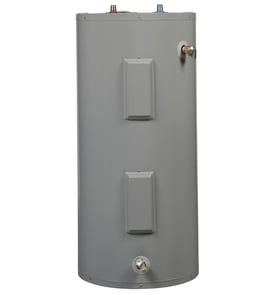



What is the downside of an electric water heater?
Electric tank water heaters like the American E1F12US015V typically cost more to operate where electricity rates are high, recover hot water more slowly than many gas models, and stop heating during a power outage. They can also need electrical work if the circuit, wire size, or breaker is not correct.
Common downsides (what you will notice at home)
- Slower recovery: after a long shower or heavy use, it can take longer to reheat the tank.
- Higher operating cost in many areas: electricity often costs more per unit of heat than gas.
- No hot water during outages: if power is out, the elements cannot heat.
- Finite hot water supply: once the tank is depleted, you wait for recovery.
- Electrical requirements matter: incorrect breaker, wire gauge, grounding, or strain relief can cause performance and safety problems (we follow the wiring and grounding guidance in the E1F12US015V owner's manual).
What to check if performance is the real concern
If the “downside” you are seeing is lukewarm or inconsistent water, the issue is often serviceable parts or settings.
- Confirm the thermostat setting and temperature regulation steps in the E1F12US015V owner's manual.
- If you have no hot water, common causes include a tripped breaker, an open high-limit switch, or a failed upper thermostat.
- If you have insufficient hot water, common causes include thermostat problems, a failed lower element, or sediment in the tank.
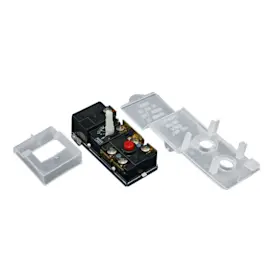
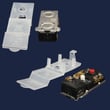
- If you suspect a control issue, the top t-stat 100108424 is a common replacement part for this model.
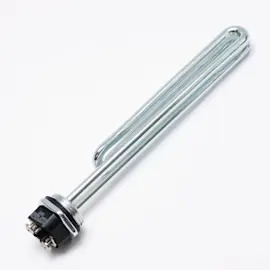
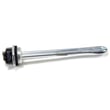
- If you suspect an element issue, match the replacement element style and voltage/wattage rating to the data plate and existing element; the element 100110052 is one of the listed options for this model.
| Concern | More likely a “normal downside” | More likely a fixable problem |
|---|---|---|
| Runs out of hot water fast | Small tank capacity, heavy demand | Thermostat set too low, failed element, sediment |
| Water not hot enough | High demand, low incoming water temp | Thermostat/element issue |
| High bill | Electric rates, high set temp | Element running too long due to sediment |
Why it matters
Understanding the difference between normal electric-water-heater limitations (recovery time, outage sensitivity) and repairable issues helps you avoid unnecessary part swaps and focus on the thermostat, heating element, and wiring conditions that most often drive complaints.
Last updated: January 2026
Can I replace my 40-gallon water heater with a tankless water heater?
Yes; you can replace a 40-gallon tank water heater with a tankless unit, but the right tankless size is based on your peak hot-water demand (GPM) and incoming water temperature, not the old tank size. Plan for plumbing, electrical, and code-compliance changes compared to your American E1F12US015V.
What changes when you go from tank to tankless
A tankless installation is a different system than the E1F12US015V tank heater, so expect changes in multiple areas:
- Electrical capacity: many electric tankless units need much higher amperage and multiple breakers.
- Water piping layout: you may need new shutoff valves, unions, and a different connection arrangement.
- Location and drainage: tankless units often need condensate handling (model-dependent); tank heaters commonly use a drain pan and nearby indoor drain.
- Hot-water delivery: tankless can provide continuous hot water, but only up to its rated GPM at your temperature rise.
- Service access: both types need accessible controls and service clearance.
For your current tank-style setup requirements (vertical indoor install, drain pan guidance, and piping notes), follow the E1F12US015V owner’s manual.
How to size a tankless unit (what to calculate)
We size tankless by simultaneous use, not storage gallons.
- List fixtures you might run at the same time (shower, dishwasher, sink).
- Add their flow rates to estimate peak GPM.
- Account for incoming cold-water temperature (colder water needs more heating power).
- Choose a unit that meets your target outlet temperature at that GPM.
Quick sizing example (typical)
| Scenario | Simultaneous use | Typical target | What it implies |
|---|---|---|---|
| Small household | 1 shower + 1 sink | ~3 to 4 GPM | Smaller tankless may work |
| Medium household | 2 showers | ~4 to 6 GPM | Mid-size tankless needed |
| High demand | 2 showers + appliance | ~6+ GPM | Larger unit or multiple units |
Why it matters
If the tankless unit is undersized, you get lukewarm water or temperature swings during simultaneous use. If it is oversized, you pay more upfront and may need costly electrical upgrades.
If you are keeping the tank heater instead
If your goal is restoring hot water on the E1F12US015V, common fixes involve the thermostat or heating element. For example, a failed upper thermostat can be addressed with the top t-stat 100108424.
Last updated: January 2026
What is the life expectancy of a 40-gallon electric water heater?
A 40-gallon electric tank water heater lasts 10 to 12 years. For American model E1F12US015V, use the same lifespan baseline for electric tank heaters; water chemistry, temperature setting, and maintenance determine whether you land closer to 10 or 12 years.
What most affects lifespan
Tank life ends when the steel tank corrodes or heavy sediment causes overheating and damage.
- Hard water and scale buildup shorten life
- Higher thermostat settings increase stress on the tank and elements
- Regular sediment flushing reduces overheating
- Anode rod condition is the main corrosion protection for the tank
- Promptly fixing leaks and electrical issues prevents secondary damage
Maintenance schedule that protects the tank
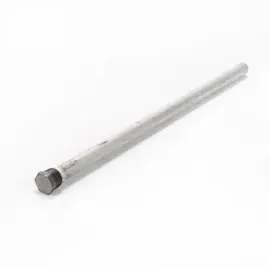
Follow the safety and maintenance procedures in the E1F12US015V owner's manual. A key interval many electric tank heaters use is inspecting the anode rod about every 3 years and replacing it when it is heavily depleted.
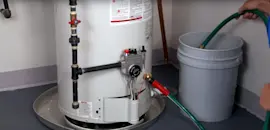
- Flush sediment from the tank on a regular schedule
- Inspect the anode rod and replace when worn
- Keep temperature near 120°F for most homes
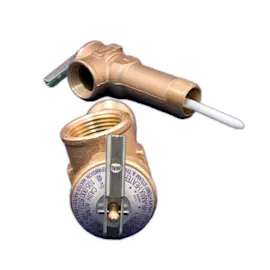
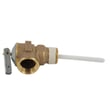
- Test the temperature and pressure relief valve periodically
- Replace failed heating components to avoid overheating
Quick guide: lifespan expectations
| Usage and water conditions | Expected outcome | Practical focus |
|---|---|---|
| Hard water, little maintenance | Shorter than 10 to 12 years | Flush more often; monitor scale |
| Average water, basic maintenance | 10 to 12 years | Annual checks; stable temperature |
| Good water, consistent maintenance | 12 years | Stay on anode and flushing routine |
Why it matters
Once internal corrosion starts, a tank can begin leaking with little warning. Keeping up with sediment control and anode-rod replacement protects the tank and also helps reduce repeat failures of parts like the heating element.
Last updated: January 2026