
Is it worth it to repair a compressor?
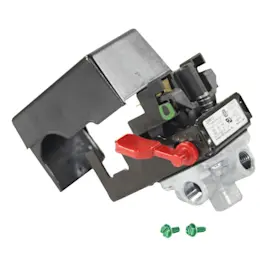
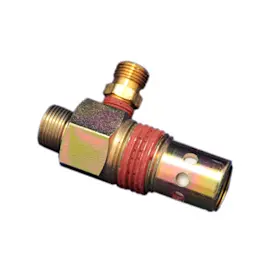
Yes, it’s worth repairing your Craftsman air compressor model 919176500 when the problem is limited to a common service item (pressure switch, check valve, regulator, gauge, or a small air leak) and the tank is in good condition. If the pump is badly worn or the tank is compromised, replacement is the better value.
Use this checklist to make the call before you spend time on teardown:
- Start with safety: unplug the compressor and drain the tank fully before inspecting anything.
- If it won’t start: many fixes are electrical or control-related (cord, outlet, pressure switch, motor overload).
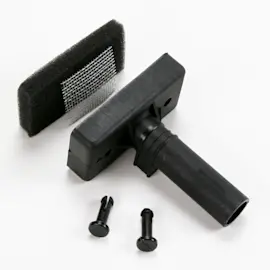
- If it runs but won’t build pressure: suspect intake filter, reed valves, check valve, or a major leak.
- If it builds pressure but won’t regulate: suspect the regulator or outlet fittings.
- If the tank won’t hold air: confirm the leak source; fittings and drain valves are repairable, tank issues are not.
| Symptom | Most common causes | Typical effort |
|---|---|---|
| Won’t start | Pressure switch, unloader/check valve, power supply | Low to medium |
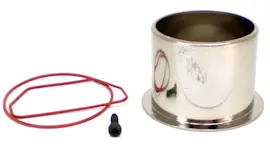
| Won’t build tank pressure | Pump valves, gasket, intake restriction, major leak | Medium to high |
| Can’t adjust output pressure | Regulator, clogged fitting | Low |
| Gauge not working | Faulty gauge, blocked port | Low |
For step-by-step troubleshooting paths, use our DIY symptom content like air compressor won't start and air compressor won't build tank pressure.
A targeted repair restores safe, reliable cut-in and cut-out operation and prevents overheating and repeated breaker trips. Replacing the wrong part first often costs more than diagnosing the air leak, pressure control, or pump issue correctly.
- The compressor needs multiple major parts (pump rebuild plus controls)
- It has persistent low pressure after addressing leaks and valves
- The tank condition is questionable (do not continue using a compromised tank)
Last updated: February 2026
What is the average lifespan of an air compressor?
Most homeowner and DIY air compressors like the Craftsman 919176500 typically last about 5 to 10 years with normal use and basic maintenance. Heavier-duty shop compressors often run 10 to 20 years when kept clean, leak-free, and not overheated.
- Run time and duty cycle: frequent long runs shorten motor and pump life
- Heat and ventilation: hot garages and clogged cooling fins accelerate wear
- Moisture management: draining the tank reduces internal rust and valve issues
- Air leaks: constant cycling wears the pressure switch, check valve, and pump
- Intake filtration: a dirty filter increases pump wear and reduces output
| Compressor type | Typical lifespan | What usually ends it |
|---|---|---|
| Small DIY / portable (pancake, hot dog) | 5 to 10 years | pump wear, overheating, switch/valve failures |
| Mid-size garage/shop (belt drive) | 10 to 15 years | pump rebuild needs, motor wear |
| Industrial rotary screw | 15 to 20 years | overhaul intervals, controls, air-end wear |
- It won’t build tank pressure or takes much longer than it used to
- It won’t start, trips a breaker, or struggles to restart with pressure in the tank
- The safety valve pops or the unit short-cycles frequently
- You hear new knocking, grinding, or excessive vibration
- The tank won’t hold air (leaks at fittings, drain valve, or corrosion concerns)
Knowing the expected lifespan helps you decide whether to troubleshoot a no-start or low-pressure problem, rebuild the pump, or focus on fixing leaks and airflow restrictions first. For common failure patterns and step-by-step checks, use our DIY troubleshooting content like air compressor won't build tank pressure and air compressor won't start.
Last updated: February 2026
What does 4.0 SCFM at 90 PSI mean?
4.0 SCFM at 90 PSI means your Craftsman air compressor model 919176500 can deliver about 4 standard cubic feet of air per minute while maintaining 90 PSI at the outlet. It is a performance rating used to match the compressor to air tools that require a certain airflow at a certain pressure.
When a tool lists an air requirement (for example, “4.0 SCFM @ 90 PSI”), it is telling you the airflow it needs while running at that pressure. For best results, we match the tool’s requirement to the compressor’s rating.
- Match SCFM and PSI to the tool label or manual
- If the tool needs more SCFM than the compressor can supply, the tank pressure drops and the tool slows
- If the tool needs less SCFM, the compressor cycles normally and keeps up
- Continuous-use tools (DA sanders, grinders) usually need higher SCFM than intermittent tools (brad nailers)
- Long hoses, small fittings, and quick-connects can reduce usable airflow
SCFM is airflow corrected to a standard reference condition so different compressors can be compared more fairly. Actual airflow at your jobsite can vary with temperature, altitude, and humidity.
| Term | What it represents | Why it matters |
|---|---|---|
| PSI | Pressure | Determines whether the tool can operate correctly |
| SCFM | Standardized airflow | Best number for comparing compressors for tool use |
| Tank size (gallons) | Stored air volume | Affects run time between cycles, not the compressor’s true output |
We size for airflow first, then pressure.
- Pick a compressor that meets the tool’s SCFM at the tool’s PSI
- Add 25% to 50% SCFM headroom for real-world losses and duty cycle
- If multiple tools run at once, add their SCFM requirements together
If your compressor’s SCFM at 90 PSI is below what the tool needs, the compressor will run longer, pressure will sag under load, and performance becomes inconsistent. Using SCFM correctly prevents underpowered setups and excessive cycling.
For troubleshooting performance issues such as slow recovery or pressure drop, we use the steps in air compressor won't build tank pressure.
Last updated: February 2026
What is the most common cause of air compressor failure?
The most common cause of air compressor failure on a Craftsman air compressor like model 919176500 is poor maintenance that leads to overheating and accelerated wear (dirty intake filter, restricted cooling airflow, and neglected pump components). Air leaks and electrical issues are also frequent contributors.
- Overheating from blocked cooling fins, poor ventilation, or long run times
- Restricted intake airflow from a dirty or clogged air filter
- Air leaks at fittings, drain valve, regulator, hose, or check valve connections
- Pressure switch problems (won’t start, won’t stop, or cycles erratically)
- Pump wear (piston seal, reed valves, cylinder wear) that reduces compression
- Moisture and corrosion from not draining the tank regularly
- Unplug the compressor and let it cool fully.
- Drain the tank completely after use; water left in the tank speeds internal corrosion.
- Listen for leaks (hissing) and use soapy water on fittings to spot bubbling.
- Check airflow around the unit; keep vents and cooling surfaces clear of dust.
- If it won’t start or trips breakers, follow a step-by-step diagnostic like air compressor won't start.
| What you notice | Most likely cause | What to do first |
|---|---|---|
| Runs hot, shuts off | Poor ventilation, dirty cooling surfaces | Clean, improve airflow, reduce duty cycle |
| Runs but won’t build pressure | Pump wear, leaking check valve, major leak | Leak test, then evaluate pump |
| Tank pressure gauge reads wrong | Faulty gauge or blockage | Use air compressor air tank pressure gauge isn't working |
| Can’t adjust outlet pressure | Regulator issue or restriction | Use air compressor can't adjust the output air pressure |
Heat, dirt, and moisture are the fastest ways to shorten compressor life. Keeping intake air clean, cooling airflow open, and the tank drained reduces strain on the pump, pressure switch, and seals, which prevents “sudden” failures that are actually gradual wear.
Last updated: February 2026