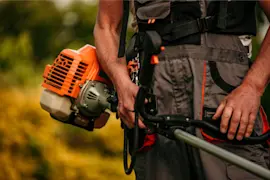




What is the highest rated gas string trimmer?
The “highest rated” gas string trimmer depends on what you value most (easy starting, low vibration, cutting power, or weight). For a reliable choice, we recommend comparing engine size (cc), shaft style (straight vs. curved), and serviceability, then matching those needs to your yard size and trimming time.
What to compare when choosing a top-rated gas trimmer
- Engine size (cc): More cc usually means more torque for thick weeds, but also more weight.
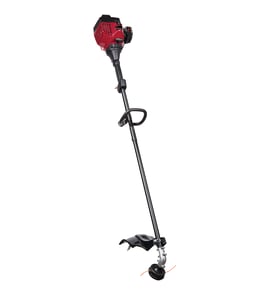
- Shaft type: Straight shafts typically reach under shrubs easier; curved shafts often feel lighter and more maneuverable.
- Cutting swath: Wider swaths cover ground faster; narrower swaths can feel more precise.
- Feed system: Bump-feed is common; fixed-line heads are simple but slower to reload.
- Vibration and balance: A well-balanced trimmer reduces fatigue on longer jobs.
- Parts availability: Easy-to-find fuel and carburetor parts make ownership simpler.
How this relates to your FEATHERLITE model
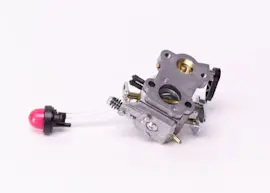
If you already own the Weed Eater FEATHERLITE gas line trimmer, many “rating” complaints come down to fuel delivery and carb tuning rather than the core machine. Before replacing the trimmer, we typically check the fuel system and carburetor wear items first.
Common maintenance parts that affect starting and power include:
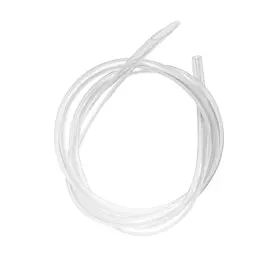
- Poulan lawn & garden equipment fuel line, small 530069247
- Ayp lawn & garden equipment fuel line, large 530069216
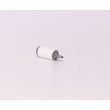
- Craftsman lawn & garden equipment engine fuel filter 530095646
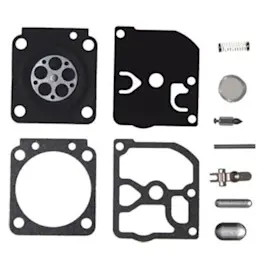
- Husqvarna lawn & garden equipment engine carburetor diaphragm and gasket kit 530069844
Quick decision guide (most common “best for” picks)
| If you want... | Prioritize | Typical fit |
|---|---|---|
| Less fatigue | Lower weight, good balance | Light-duty to medium yards |
| Faster trimming | Wider cutting swath | Larger open areas |
| Better reach | Straight shaft | Edges, under bushes |
| Easier ownership | Strong parts support | Long-term maintenance |
Why it matters
A trimmer can be “top rated” on paper but still disappoint if it is oversized for your yard or if basic fuel-system parts are worn. Matching specs to your workload, then keeping fuel lines, the fuel filter, and carburetor diaphragms in good shape, delivers the biggest real-world improvement.
Last updated: February 2026
Which is better, .080 or .095 trimmer line?
For the Weed Eater FEATHERLITE gas line trimmer, .095 trimmer line is better for durability and cutting thicker weeds, while .080 is better for lighter trimming and cleaner edging. The best choice depends on what you cut most often and what your trimmer head is designed to accept.
Quick comparison
| Trimmer line size | Best for | Tradeoffs |
|---|---|---|
| .080 in | Light grass, routine edging, longer run time per spool | Wears faster in heavy weeds; can snap more easily |
| .095 in | Thicker weeds, fence lines, tougher trimming | More load on the engine; can reduce RPM if overmatched |
How we recommend choosing
- Use .080 if you mostly trim lawn edges and light growth.
- Use .095 if you regularly hit thicker weeds or rough areas.
- Match the line to your cutting head capacity; forcing thicker line can cause poor feed and bogging.
- If the trimmer starts but lacks power under load, step down to .080 and confirm the fuel system is clean.
- If the line keeps breaking, step up to .095 (if your head supports it) and slow your sweep speed.
If performance changes after switching line sizes
A heavier line can make a small 2-cycle trimmer feel weak if the fuel delivery is restricted. If you notice bogging, surging, or stalling, check common fuel items for this model such as the poulan lawn & garden equipment fuel line, small 530069247 and the craftsman lawn & garden equipment engine fuel filter 530095646.
Why it matters
Line diameter directly affects cutting strength and engine load. Using the right size helps your FEATHERLITE trim cleanly, reduces vibration, and can prevent premature wear on the clutch and drive components.
Last updated: February 2026
What is the best trimmer line on the market?
For the Weed Eater FEATHERLITE gas line trimmer, the “best” trimmer line is the one that matches your cutting conditions and the trimmer head’s supported diameter; for most homeowners, a quality .080 in to .095 in line gives the best balance of cut speed, durability, and engine load.
How to choose the best trimmer line for your FEATHERLITE
- Match the diameter: Most gas trimmers run best with .080 in or .095 in line; thicker line cuts tougher weeds but can bog the engine.
- Pick the shape for the job:
- Round: smooth feed, good all-around, longest spool life.
- Twisted: quieter, good efficiency.
- Square or star: more aggressive cutting, wears faster.
- Use the right material:
- Standard nylon: everyday trimming.
- Reinforced (copolymer, “commercial”): better for fences, edging, and thicker growth.
- Avoid oversizing: If the head is designed for lighter line, going too thick increases vibration and clutch wear.
- Keep line fresh: Old, dry line breaks easily; store spools sealed and out of heat.
Quick recommendations by yard type
| Yard conditions | Best line type | Typical diameter range |
|---|---|---|
| Weekly lawn edging and light grass | Round or twisted | .080 in |
| Mixed grass and weeds | Twisted or round | .080 in to .095 in |
| Heavy weeds, rough areas, lots of edging | Square/star or reinforced | .095 in (if supported) |
Why it matters
Using the correct line reduces bogging, improves cut quality, and helps protect wear items like the clutch and drive components. If your trimmer suddenly struggles after changing line, the diameter is usually the first thing to correct.
If performance still isn’t great
Line choice helps, but fuel delivery issues can feel similar (surging, stalling, weak power). For this model, common tune-up items include the fuel filter and fuel lines:
- Check for cracked or soft fuel tubing and replace as needed with poulan lawn & garden equipment fuel line, small 530069247 or ayp lawn & garden equipment fuel line, large 530069216.
- Replace a restricted in-tank filter with craftsman lawn & garden equipment engine fuel filter 530095646.
Last updated: February 2026
How much oil to mix with 1 gallon of gas for weedeater?
For most 2-cycle Weed Eater FEATHERLITE trimmers, we mix 2.6 fl oz of 2-cycle oil per 1 gallon of gasoline (a 50:1 ratio). If your trimmer’s decal or carb settings specify a different ratio, follow that ratio to prevent hard starting, smoking, or engine damage.
Quick mix chart (common 2-cycle ratios)
Use this as a fast reference when you are mixing small batches.
| Gasoline amount | 50:1 oil | 40:1 oil |
|---|---|---|
| 1 gallon | 2.6 fl oz | 3.2 fl oz |
| 1/2 gallon | 1.3 fl oz | 1.6 fl oz |
| 1 quart | 0.64 fl oz | 0.8 fl oz |
How we recommend mixing fuel (clean and consistent)
- Use a clean, approved fuel can (not the trimmer’s tank) for mixing.
- Add about half the gas first, then add the measured 2-cycle oil.
- Cap the can and shake to blend, then add the remaining gas and shake again.
- Mix only what you will use in about 30 days for best starting and performance.
- If the trimmer has been sitting, drain old mix and refill with fresh mix.
If it still runs poorly after correct mixing
Correct fuel ratio is step one; fuel delivery issues are next. On the FEATHERLITE model, cracked fuel lines, a restricted fuel filter, or a leaking fuel cap can cause lean running, surging, or stalling.
- Inspect and replace the poulan lawn & garden equipment fuel line, small 530069247 if it is stiff, split, or loose on fittings.
- Check the craftsman lawn & garden equipment engine fuel filter 530095646 if the engine starves for fuel at throttle.
- Replace a damaged or non-venting line trimmer fuel tank cap 530014347 if the tank builds vacuum and the engine dies after a minute.
Why the oil ratio matters
Too little oil reduces lubrication and can score the piston and cylinder; too much oil can foul the spark plug, smoke heavily, and load up the muffler screen. The right ratio keeps the carburetor tuning stable and protects the engine.
Last updated: February 2026