Installation guide
 Owner’s manual
 Error Codes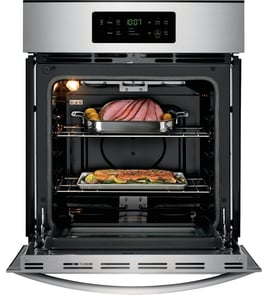


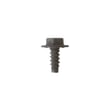
Are wall ovens hard wired or plug-in?
For the GE JTP50SH3SS electric wall oven, installation is hard wired (direct wired) into an approved junction box; a plug and receptacle setup is not permitted. The flexible conduit must stay full length and be secured with the correct strain relief clamp.
What “hard wired” means for this wall oven
Hard wired means the oven’s power leads connect inside a junction box, not to a standard outlet. The installation uses a strain relief clamp to secure the flexible conduit and protect the wiring.
- Power is connected in a junction box, not a receptacle
- The oven must be properly grounded
- Electrical power must be shut off before making connections
- The conduit strain relief clamp must be firmly attached
- Do not shorten the flexible conduit
Quick comparison: hard wired vs plug-in
| Connection type | Typical use | Allowed for GE JTP50SH3SS? | What you’ll see |
|---|---|---|---|
| Hard wired (junction box) | Most built-in electric wall ovens | Yes | Conduit into a junction box with wire nuts and strain relief |
| Plug-in (cord and outlet) | Many freestanding ranges, some appliances | No | Power cord plugged into a receptacle |
Installation tips that prevent common problems
These steps help avoid loose connections, overheating, and nuisance breaker trips.
- Use the correct size conduit clamp; if the conduit does not fit, replace the clamp with the proper size
- Keep wire connections tight and fully enclosed in the junction box
- Follow local electrical codes; where required, use a 4-conductor connection for new construction
- Have a qualified electrician identify the main oven disconnect after installation
Why it matters
A wall oven draws high current and generates heat around the cabinet opening. Direct wiring in a junction box with proper grounding and strain relief keeps the connection secure and reduces the risk of damaged wiring.
For wiring diagrams and the exact connection steps, follow the JTP50SH3SS installation guide.
Last updated: January 2026
Where can I find the GE wall oven model number?
On the GE wall oven model JTP50SH3SS, the model and serial tag is located on a label on the side trim or on the front of the lower oven behind the oven door. Use that exact model number when ordering parts or checking wiring and installation requirements in the JTP50SH3SS owner’s manual.
Where to look on the oven
Check these common tag locations first:
- Open the oven door and look along the front frame near the opening
- Look on the side trim (visible when the door is open)
- For double wall ovens, check the front of the lower oven behind the lower oven door
- Use a flashlight; the label is often small and can be easy to miss
- Write down both the model number and serial number for service and parts matching
Why the model number matters
The model number ensures we match the correct GE wall oven parts and specifications, such as the correct bake element, broil element, oven rack, or door glass. It also helps confirm installation details like hard-wiring requirements and cabinet fit guidance.
Quick reference: model tag vs. what it’s used for
| What you find | What we use it for |
|---|---|
| Model number (example: JTP50SH3SS) | Correct parts lookup and manual matching |
| Serial number | Production details for service and compatibility checks |
Helpful tip when ordering parts
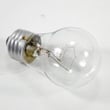
If you are replacing a common wear item, match the part to your exact model number first, then confirm the part ID before checkout. For example, the oven light bulb for this model is commonly listed as the oven lamp 40A15.
Last updated: January 2026
How long do GE wall ovens last?
GE wall ovens typically last 15 years. For a GE JTP50SH3SS electric wall oven, lifespan depends most on heat exposure over time, how often you run self-clean, and whether wear items (like heating elements and door gaskets) are replaced when performance starts to drop. See the JTP50SH3SS owner’s manual for care and cleaning guidance.
What affects wall oven lifespan most
- Self-clean frequency: high-heat cycles accelerate wear on electronics, wiring, and door seals.
- Door seal condition: heat leaks make the oven work harder and can overheat controls.
- Heating element health: weak bake or broil elements cause long preheat and uneven baking.
- Cooling airflow: blocked vents or failing fans can shorten control life.
- Electrical supply: loose connections or improper wiring can cause intermittent heating.
Typical lifespan and what to expect
| Appliance type | Typical lifespan | Common “end-of-life” symptoms |
|---|---|---|
| Electric wall oven (GE and similar) | 15 years | Slow preheat, uneven temps, error codes, door not sealing |
| Heavy-use household oven | 12 years | Frequent element failures, control issues |
| Light-use household oven | 15+ years | Mostly wear items (gasket, bulb, racks) |
Parts that commonly extend service life
If the oven still powers on and the cavity is in good shape, replacing a few common parts often restores performance:
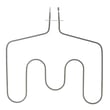
- GE range bake element WB44T10018 if baking is weak or preheat is slow
- Range broil element WB44T10043 if broil is uneven or won’t heat
- Range oven door gasket WB41T10003 if you feel heat escaping around the door
- Oven lamp 40A15 if the light is out (simple maintenance item)
Why it matters
A wall oven that is losing heat or heating slowly runs longer to reach temperature, which increases stress on the control area and wiring. Keeping the door sealed and the elements strong helps the oven hold temperature accurately and reduces overall wear.
Last updated: January 2026