Owner’s manual




What is the most common problem with pressure washers?
Low or no pressure is the most common pressure washer problem, and on the Craftsman 580750310 it’s usually caused by a simple restriction or setup issue (clogged spray nozzle, blocked inlet screen, air in the pump, or a kinked hose) rather than a major failure. Check the basics first using the 580750310 owner's manual.
Quick checks that fix most “no pressure” complaints
- Confirm the garden hose is fully open and delivering strong flow before you power on.
- Inspect the high-pressure hose for kinks, crushing, or a collapsed inner liner.
- Clean the spray tip; debris in the nozzle is the most common restriction.
- Purge air: with water on, hold the trigger until flow is steady (no sputtering).
- Verify you’re using the correct tip; a detergent tip can reduce pressure by design.
Parts that commonly relate to low pressure on this model
If cleaning and purging don’t help, the issue is often at the wand or nozzle connection point.
| Symptom | Most likely area | What to do next |
|---|---|---|
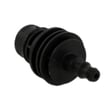
| Weak spray, uneven fan pattern | Nozzle clogged/worn | Clean or replace the briggs & stratton pressure washer spray nozzle 317423GS |
| Pressure drops when you move the gun | Wand connection or internal restriction | Inspect/replace the pressure washer wand 317422GS |
| Only low-pressure soap works | Wrong nozzle installed | Switch to a high-pressure nozzle (not the detergent nozzle) |
Why it matters
Running an electric pressure washer with restricted flow can make performance inconsistent and can overwork the pump. Restoring proper water supply and a clear nozzle usually brings pressure back immediately.
Last updated: January 2026
What is the life expectancy of an electric pressure washer?
Most electric pressure washers, including the Craftsman 580750310, typically last 3 to 5 years with normal homeowner use and basic maintenance. Lifespan depends most on water quality, storage (freeze protection), and avoiding long continuous run times.
Typical lifespan by type
| Pressure washer type | Typical life expectancy | Best fit for |
|---|---|---|
| Electric (homeowner) | 3 to 5 years | Light to moderate cleaning |
| Gas (homeowner) | 5 to 7 years | More frequent, heavier jobs |
What shortens the life of an electric pressure washer
- Running the pump without water flow (dead-heading) for more than a brief moment
- Freezing temperatures that crack the pump or fittings
- Hard water or debris that clogs the inlet screen and restricts flow
- Kinked hose or undersized extension cord that strains the motor
- Storing the unit wet, dirty, or with pressure trapped in the hose
How to help your Craftsman 580750310 last longer
- Flush clean water through the system after detergent use; then shut off and relieve pressure.
- Keep the inlet screen clean and use a garden hose with strong, steady flow.
- Store indoors above freezing; drain water from the pump and hose after each use.
- Inspect the spray tip and wand connection for wear; replace damaged accessories such as the pressure washer wand 317422GS or briggs & stratton pressure washer spray nozzle 317423GS when performance drops.
- Follow the operating limits, priming steps, and storage guidance in the Craftsman 580750310 owner's manual.
Why it matters
Electric pressure washer pumps and motors are sensitive to restricted water flow and freezing. Preventing clogs and freeze damage does more to extend service life than any single replacement part.
Last updated: January 2026
Is it worth repairing a pressure washer?
Yes, repairing a pressure washer is worth it when the issue is a low-cost, bolt-on fix and the unit is otherwise in good shape; for a Craftsman electric pressure washer model 580750310, we typically recommend repair when the total parts and labor stay under about half the cost of a comparable new washer.
Quick decision checklist
- Repair if the problem is limited to an accessory or external hardware (wand, nozzle, holder, handle, wheels).
- Repair if the motor runs normally and you only have a spray pattern or connection issue.
- Repair if the unit is newer, lightly used, and has no leaks from the pump area.
- Replace if the pump/motor area is leaking heavily, the unit trips breakers repeatedly, or performance is consistently weak after basic checks.
- Replace if multiple parts are failing at once (hose reel plus wand/nozzle plus electrical issue).
Common “worth it” repairs for model 580750310
These are the types of fixes that usually make sense because they are straightforward and restore usability quickly:
- Replace a damaged wand: pressure washer wand 317422GS
- Replace a clogged/worn spray nozzle: briggs & stratton pressure washer spray nozzle 317423GS
- Add/replace a detergent nozzle for chemical application: pressure washer detergent spray nozzle 317425GS
- Fix storage/handling issues (often prevents future damage): pressure washer holder 704359 or briggs & stratton pressure washer handle 704382
Repair vs replace: cost and symptom guide
| What you’re seeing | Most likely area | Usually worth repairing? |
|---|---|---|
| Poor spray pattern, uneven fan, no detergent draw | Nozzle or wand | Yes |
| Unit is hard to move or tips easily | Wheels/handle/holder | Yes |
| Hose won’t retract or reel binds | Reel assembly/kit | Sometimes |
| Repeated breaker trips, burning smell, dead motor | Electrical/motor | Often replace |
| Major leak from internal pump area | Pump seals/pump | Often replace |
Why it matters
A pressure washer’s value is mostly in the pump and motor. If those core components are healthy, replacing external parts like a wand, spray nozzle, wheel kit, or handle can restore full cleaning performance for far less than buying a new machine.
What we recommend before you decide
- Confirm the correct procedures and safety steps in the 580750310 owner's manual.
- Rule out simple causes: clogged nozzle, kinked hose, low water supply, air in the line.
- Price out the specific parts you need and compare to a new unit with similar PSI and GPM.
Last updated: January 2026
Is 2000 PSI good for an electric pressure washer?
2000 PSI is a solid pressure level for many homeowner cleaning jobs, but the Craftsman electric pressure washer model 580750310 is designed for a lower maximum pressure. You will get the best results by using the correct nozzle, keeping proper distance, and focusing on flow and technique.
What 2000 PSI is typically good for
On most electric pressure washers, 2000 PSI handles light to medium-duty cleaning when you use the right spray angle.
- Patio furniture, grills, and outdoor equipment
- Vehicles (use a wider fan pattern and keep extra distance)
- Decks and fences (avoid forcing water into joints)
- Sidewalks and small concrete areas (steady, overlapping passes)
- Light mildew and surface grime (pre-treating improves results)
PSI vs GPM: what changes cleaning speed
PSI helps break grime loose; GPM (flow) helps rinse it away. Many electric units feel “stronger” when the nozzle and flow are optimized.
| Spec | What it does | What you notice |
|---|---|---|
| PSI | Impacts cleaning force | More bite, more risk of surface damage up close |
| GPM | Impacts cleaning speed | Faster rinsing, fewer passes |
| Nozzle angle | Concentrates or spreads force | Narrow hits harder; wide is safer |
How to get the most from model 580750310
If your Craftsman 580750310 feels underpowered, the cause is usually setup, a clogged tip, or a leak, not the advertised PSI.
- Use a fully open water supply and a non-kinked garden hose
- Purge air: run water through the wand until flow is steady before powering on
- Check for leaks at hose, wand, and quick-connect fittings
- Clean or replace a worn/clogged tip; an uneven fan pattern is a common sign
- Use the correct nozzle for the job; detergent nozzles are for soap application, not heavy cleaning
Model-matched parts that affect spray performance:
- Briggs & stratton pressure washer spray nozzle 317423GS
- Pressure washer detergent spray nozzle 317425GS
Why it matters
Matching the nozzle and technique to your Craftsman electric pressure washer prevents surface damage, improves cleaning speed, and helps you avoid chasing a higher PSI number that your unit is not built to produce.
For operating steps, nozzle guidance, and recommended use, follow the 580750310 owner's manual.
Last updated: January 2026