Owner’s manual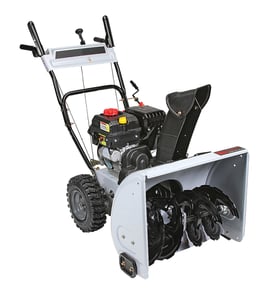



How to find snowblower model number?
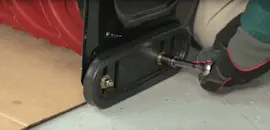
On the Poulan gas snow blower model 96192009900, the model and serial numbers are printed on a decal attached to the rear of the snow thrower housing, typically between the wheels. Use that exact model number when ordering parts or checking specifications in the owner's manual.
Where to look on the machine
Check these common label locations first:
- Rear of the snow thrower housing (most common on this model)
- Between the wheels on the back side
- Near the engine area on the frame (less common)
- On the auger housing side panel (occasionally)
What to write down (and why)
Record both numbers from the decal so you have what you need for parts lookup and service.
| Item on decal | What it’s used for | Example format |
|---|---|---|
| Model number | Matching the correct parts diagrams and parts list | 96192009900 |
| Serial number | Identifying the exact production run for service | Letters and numbers |
Tips to read the decal successfully
If the decal is dirty or faded, these steps usually make it readable again:
- Wipe the area with a damp rag and mild soap; dry it fully
- Use a flashlight at an angle to highlight embossed or faded print
- Take a close-up photo and zoom in
- Copy the number exactly, including any leading zeros
Why it matters
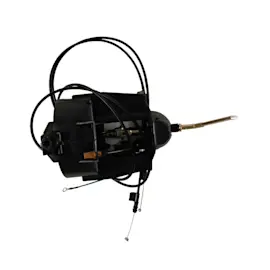
Poulan snowblower parts can look similar across models, but belts, cables, and auger housing components can vary by model number. Using 96192009900 helps ensure you get the correct match the first time.
Last updated: January 2026
Should I use 87 or 91 for snowblower?
For the Poulan 96192009900 gas snow blower, we recommend using fresh 87-octane gasoline; moving up to 91 octane does not improve snowblower performance in normal operation. The key fuel requirement is to keep ethanol at 10% or less (E10) and keep the fuel fresh.
Fuel choice for best starting and reliability
- Use 87 octane from a busy station (fresher fuel).
- Use E10 or less; higher ethanol blends can cause running issues and are not recommended for this model.
- Add fuel stabilizer if fuel will sit more than about 30 days.
- Store fuel in an approved container and keep it sealed to reduce moisture absorption.
- At the end of a storm, let the engine run a few minutes to help prevent freeze-up.
Quick comparison: 87 vs 91 in a snowblower
| Fuel option | What you get | When it makes sense |
|---|---|---|
| 87 octane (regular) | Correct octane for typical small engines; reliable starting | Everyday use for the 96192009900 |
| 91 octane (premium) | Higher knock resistance | Only useful if the engine specifically requires it (most do not) |
Storage tips (prevents gummed fuel and hard starting)
- For off-season storage, treat the last tank with stabilizer and run the engine long enough to pull treated fuel into the carburetor.
- Keep the machine out of ignition-source areas when storing with fuel.
- Follow the storage steps in the 96192009900 owner's manual.
Why it matters
Most snowblower “fuel problems” are actually stale fuel, too much ethanol, or moisture contamination, which can clog the carburetor and make cold starts difficult. Using fresh 87 octane E10 (or less) and stabilizer protects the carburetor and helps the engine start easier in winter.
Last updated: January 2026
What is the typical lifespan of a gas snowblower?
A typical gas snowblower lasts 10 to 15 years with normal residential use and consistent maintenance. For a Poulan 96192009900, staying on top of oil changes, belt inspections, and end-of-season storage steps is what most often pushes lifespan toward the high end.
What extends lifespan the most
We see the biggest longevity gains when owners follow the maintenance intervals and storage guidance in the 96192009900 owner's manual.
- Change engine oil about every 25 operating hours or at least once per year
- Replace the spark plug at the start of each season or about every 100 hours
- Check belts for wear about every 50 hours; replace if slipping or cracked
- Keep the housing clean after each use; avoid forcing water into the engine area
- Store in a clean, dry area and prep for storage if it will sit 30 days or more
Typical lifespan by use and care
| Use pattern | Typical lifespan | What usually ends it |
|---|---|---|
| Light use, good storage | 15 to 20 years | Fuel system varnish, corrosion |
| Average residential use | 10 to 15 years | Belts, friction drive wear, carb issues |
| Heavy use, harsh conditions | 7 to 12 years | Gearcase wear, engine wear, repeated impacts |
Parts that commonly affect “how long it lasts”
These wear items do not mean the snowblower is “done”; they are normal service parts that restore performance.
- Drive and auger belts (loss of drive, slipping under load)
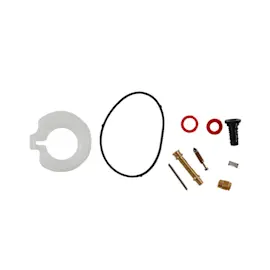
- Carburetor (hard starting, surging, fuel leaks); consider the Poulan snowblower carburetor 585020402
- Auger gearcase lubrication condition after service work
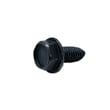
- Shear bolts and fasteners (protects auger/impeller from impact damage)
Why it matters
A gas snowblower’s engine and drive system can run for many seasons, but neglect during storage (old fuel, moisture, dirt buildup) shortens engine life fast. Following the manual’s cleaning and storage steps keeps the machine reliable when you need it most.
Last updated: January 2026