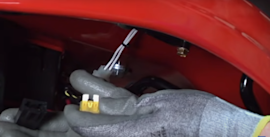
Installation guide
 Owner’s manual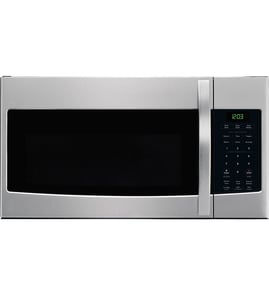


What is WMH31017HS6 used for?
The Whirlpool WMH31017HS6 microwave/hood combo is used to heat, cook, and defrost food in the microwave while also venting smoke, steam, and odors from the cooktop below through its built-in hood fan and cooktop light. For safe operation details, follow the WMH31017HS6 user guide.
What this appliance does (microwave + hood)
- Heats and cooks food using microwave energy (reheating, defrosting, timed cooking)
- Helps ventilate the range or cooktop area below
- Provides cooktop lighting for better visibility while you cook
- Installs over the range to save counter space
- Uses household power and must be properly grounded
Common uses in the kitchen
| Task | Use the microwave for | Use the hood fan for |
|---|---|---|
| Weeknight meals | Reheat leftovers, steam vegetables | Pulls steam and odors away from the cooktop |
| Prep work | Soften butter, melt chocolate (short intervals) | Clears light smoke from sautéing |
| Defrosting | Thaw meat by time/weight settings | Reduces lingering cooking smells |
Installation and venting notes that affect how it’s used
How the hood portion performs depends on how the unit is installed and vented. We recommend following the WMH31017HS6 installation guide for mounting, damper setup, and venting design specifications.
Why it matters
Correct installation and venting help the microwave/hood combo run safely and help the fan move air effectively. A poor vent path or incorrect damper setup can reduce airflow and make the kitchen feel smoky or humid.
Last updated: February 2026
What is the life expectancy of a Whirlpool microwave?
A Whirlpool microwave typically lasts 7 to 10 years with normal household use. For your Whirlpool WMH31017HS6 microwave/hood combo, lifespan depends most on heat and grease exposure from the cooktop, door-switch wear, and how often it runs at high power; routine cleaning and good ventilation help it reach the high end of that range.
What affects lifespan the most
- Ventilation and grease control: keep airflow clear and clean the grease filter regularly.
- Door and latch use: slamming the door can wear interlock switches faster.
- Power quality: repeated breaker trips or power surges can stress the electronic control.
- Heat load: long cook times at 100% power create more internal heat.
- Cleaning habits: food splatter and arcing damage shorten cavity and waveguide life.
Signs it is nearing end of life (and what to check first)
If you see these symptoms, start with basic checks in the WMH31017HS6 owner’s manual before replacing major components:
- Runs but does not heat.
- Intermittent power, dead display, or random resets.
- Loud humming or burning smell during heating.
- Door won’t start the microwave reliably.
- Sparking/arcing inside the cavity.
Quick symptom-to-likely-area guide
| Symptom | Common area involved | Example part for this model |
|---|---|---|
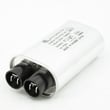
| No heat, but it runs | High-voltage circuit (service-level) | Gaoxin-hvd c W11256462 |
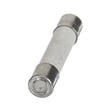
| Dead unit or goes completely off | Power supply protection | Microwave fuse W11707984 |
| Won’t start when door closes | Door interlock system | Interlock WPW10156813 |
Why it matters
Microwaves contain high-voltage components; when heating performance drops or power becomes unreliable, the safest and most cost-effective path is to confirm simple causes first (power supply, door interlocks, airflow) and then decide whether a repair makes sense versus replacement.
Last updated: February 2026
How many watts is a Whirlpool microwave WMH31017HS6?
The Whirlpool WMH31017HS6 microwave/hood combo is a 1,000-watt microwave. That wattage is the cooking power used for heating performance; actual electrical draw from the outlet is higher and varies by operating mode (cooktop light, vent fan, cooking).
Where the watt rating matters most
- Reheating speed: Higher wattage generally heats food and liquids faster.
- Cooking adjustments: If you are converting recipes from a 700 to 900 watt microwave, you often need less time at 1,000 watts.
- Troubleshooting “not heating”: Knowing it is a 1,000-watt unit helps set expectations when testing performance.
Quick performance check (at-home)
We use this simple test to confirm basic heating performance:
- Put 1 cup of cold water in a microwave-safe cup.
- Run 2 minutes on High (100% power).
- Water should be noticeably hotter at the end.
- If it is not heating, review the troubleshooting section in the WMH31017HS6 owner’s manual.
Wattage vs. electrical power draw
Microwave “watts” in product specs usually means cooking output, not what the unit consumes from the wall.
| Spec type | What it describes | What you will notice |
|---|---|---|
| Cooking power (output) | Heating power delivered to food | Cook times, boiling speed |
| Electrical input (draw) | Power the microwave uses | Circuit loading, breaker trips |
Why it matters
If your WMH31017HS6 suddenly seems weak, the issue is usually not “lower wattage”; it is typically a heating-system problem (for example, a high-voltage component) or a power supply issue. For safe diagnostics and correct part selection, we follow the procedures in the WMH31017HS6 installation guide and the model’s service guidance.
Last updated: February 2026
What are common problems with Whirlpool microwaves?
Common problems on Whirlpool microwaves like model WMH31017HS6 include a dead unit (no power), runs but does not heat, door won’t latch or start, sparking/arcing, loud buzzing, and vent or light issues. Many causes are simple (power supply, settings, filters, bulbs), but heating problems can involve high-voltage components.
Most common symptoms and what they usually mean
- Microwave won’t operate at all: tripped breaker/blown house fuse, door not fully closed, failed internal fuse.
- Runs but does not heat: magnetron circuit issue; often tied to high-voltage parts.
- Starts then stops, or won’t start: door switch/interlock problem.
- Sparking or burning smell: food splatter/grease, damaged waveguide cover, metal in the cavity.
- Noisy operation (buzzing/humming): failing high-voltage component or loose internal part.
- Dim or out cooktop light: failed bulb or lamp assembly.
Quick checks we recommend first (safe, no disassembly)
- Confirm power: reset the circuit breaker; try a different small appliance in the same outlet.
- Test heating: heat 1 cup of cold water for 2 minutes on High; if it stays cold, focus on heating diagnostics.
- Check door closure: remove debris from the latch area; close the door firmly.
- Look for arcing causes: remove any metal, clean splatter, and stop using it if you see repeated sparks.
- Vent performance: clean the grease filter and confirm the vent damper is not blocked.
Parts that commonly fix these issues
| Symptom | Common part involved | Example for WMH31017HS6 |
|---|---|---|
| Completely dead | Internal fuse | Microwave fuse W11707984 |
| Won’t start with door closed | Door switch/interlock | Interlock WPW10156813 |
| Cooktop light out | Light assembly | Lamp assembly 8206232A |
| Poor venting/greasy airflow | Grease filter | Filter W10208631A |
Why it matters
A “no heat” complaint is often a high-voltage circuit issue. Those components can store dangerous energy even when unplugged, so we treat heating failures differently than simple airflow or light problems.
For model-specific operating checks and troubleshooting steps, use the WMH31017HS6 owner's manual. For installation-related venting and mounting details, use the WMH31017HS6 installation guide.
Last updated: February 2026