Owner’s manual
 Error Codes



Is it cheaper to repair or replace a water heater?
For an American FG1F3030S3NOV gas water heater, it’s cheaper to repair when the tank is sound and the problem is limited to a replaceable component (ignition parts or a valve). Replace the heater when the tank is leaking, heavily corroded, or the unit is at the end of its typical lifespan.
Quick decision guide
- Repair when the leak is at a valve or fitting, not the tank body.
- Repair when the issue is ignition-related (pilot will not light or stay lit).
- Replace when water is seeping from the tank itself (tank failure).
- Replace when repeated repairs are adding up and reliability is poor.
- Replace immediately if the heater has been under water; the manual calls for replacing the entire water heater after submersion.
Common “repair-first” parts for this model
These are frequent fixes when the tank is not leaking:
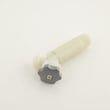
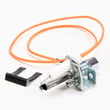
- Water heater pilot and igniter assembly 100093807 for pilot/ignition problems
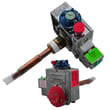
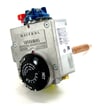
- Water heater propane gas control valve 100093749 for burner control and temperature regulation issues
- Drain valve 100109106 for a leaking or clogged drain
- T&p valve 100108279 for a relief valve that weeps or opens unexpectedly
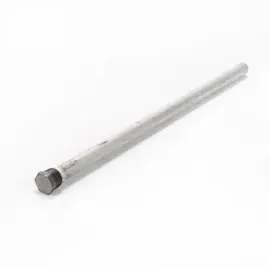
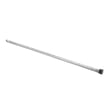
- Water heater anode rod 100109594 to help with odor/discoloration and corrosion protection
Cost and outcome comparison
| Situation | Usually cheaper choice | Typical outcome |
|---|---|---|
| Pilot will not stay lit | Repair | Restores ignition without replacing the tank |
| Drain or T and P valve leaking | Repair | Stops leaks at serviceable points |
| Tank body leaking or rusted through | Replace | Tank failure is not a practical repair |
Why it matters
Repairing a non-leaking tank keeps costs down and avoids unnecessary replacement. Replacing at the right time prevents water damage and stops you from investing in a failing tank.
What to check first
- Confirm whether water is coming from a valve connection or the tank body.
- If the hot water system has been unused for 2 weeks or more, open a hot faucet for several minutes before using appliances; the manual warns hydrogen gas can accumulate.
- Use the FG1F3030S3NOV owner's manual for model-specific safety steps and service guidance.
- You can order parts from this model’s parts list, or search by model number on Sears PartsDirect.
Last updated: February 2026
What is the average cost of replacing a gas hot water heater?
For an American FG1F3030S3NOV gas water heater, the typical installed replacement cost for a standard tank-style gas water heater is about $1,600 to $2,400; tankless replacements commonly run about $2,400 to $5,400 because venting, gas piping, and condensate work are often more involved. Use the owner's manual to confirm installation requirements that can affect labor and materials.
What drives the total replacement price
- Type and size: standard tank vs. tankless; larger capacity usually costs more
- Fuel and venting: atmospheric vent vs. power vent; draft hood and vent changes add labor
- Gas line work: pipe sizing, shutoff valve, sediment trap, and leak testing
- Water piping updates: new shutoff, unions, expansion tank, or tempering valve
- Code and safety items: drip pan, seismic straps (where required), combustion air needs
- Disposal and access: hauling the old tank; tight closets or attic installs increase labor
Typical cost ranges (installed)
| Replacement scenario | Typical total cost | Notes |
|---|---|---|
| Standard tank gas water heater | $1,600 to $2,400 | Most common swap when venting and piping stay similar |
| Tankless gas water heater | $2,400 to $5,400 | Often needs venting changes and higher gas supply capacity |
| “Like-for-like” swap with minimal changes | Lower end of range | Same location, similar venting, easy access |
| Upgrade requiring vent or gas line changes | Upper end of range | More materials and labor time |
Parts that can add cost during a replacement
Some installs include replacing wear or safety parts at the same time:
- T&p valve 100108279 (temperature and pressure relief valve)
- Drain valve 100109106 (helps with future draining and flushing)
- Draft hood 100111362 (for proper vent connection on many atmospheric-vent setups)
Why it matters
A gas water heater replacement is not just the tank. Venting, combustion air, and correctly sized gas piping directly affect safe operation and reliable hot water. The manual also recommends items like unions for serviceability and a tempering or anti-scald valve in many plumbing setups.
You can order model-matched replacement parts for FG1F3030S3NOV from the parts list for this model, or search by model number on Sears PartsDirect.
Last updated: February 2026
What is the most common problem with gas water heaters?
For the American FG1F3030S3NOV gas water heater, the most common problem we see is ignition trouble: the pilot will not light or will not stay lit, which stops the burner from heating water. Other frequent issues are a leaking temperature and pressure relief valve, sediment buildup that reduces efficiency, and gas control problems.
Most common symptoms and what they usually point to
- Pilot will not stay lit: pilot/igniter issue, dirty pilot, weak flame signal, or gas supply interruption
- No hot water or not enough hot water: pilot out, thermostat setting too low, burner not staying on
- Water leaking from discharge pipe: temperature and pressure relief valve not reseating or system overpressure
- Slow recovery or rumbling/popping: sediment or lime buildup in the tank
- Strong “rotten egg” odor: anode rod reaction with certain water conditions
Quick checks we recommend first (safe, no parts swapping)
Use the lighting and safety steps in the owner's manual and then:
- Confirm the gas supply is on; for LP systems, smell at floor level before lighting.
- Watch the pilot through the viewport while lighting; repeat the igniter step as directed.
- Set the temperature to a normal range (many homes use about 120°F).
- If the unit has been unused for 2 weeks or more, run hot water at a kitchen faucet for several minutes before using any electrical appliance connected to hot water.
- If the heater has been under water, the manual calls for replacement of the water heater.
Common parts that solve common gas-water-heater problems
If troubleshooting points to a failed component, these are common replacements for FG1F3030S3NOV:
| Problem you notice | Part that often fixes it | What it does |
|---|---|---|
| Pilot will not light or stay lit | Water heater pilot and igniter assembly 100093807 | Creates/maintains the pilot flame so the burner can run |
| Relief valve drips or will not reseat | T&p valve 100108279 | Opens to relieve excess temperature/pressure |
| Tank will not drain or drain valve leaks | Drain valve 100109106 | Lets you drain the tank for maintenance |
Why it matters
Ignition and venting related issues can stop hot water fast, and a relief valve that will not reseat can indicate unsafe pressure or overheating. Addressing the root cause protects the burner system, improves efficiency, and helps extend tank life.
To order model-correct parts, use the parts list for FG1F3030S3NOV or search by model at Sears PartsDirect.
Last updated: February 2026
What is the typical lifespan of a gas hot water heater?
A typical gas water heater lasts 8 to 12 years. For your American FG1F3030S3NOV, regular maintenance (especially periodic draining and anode-rod inspection) helps you reach the upper end of that range; see the maintenance schedule in the owner's manual.
What affects lifespan the most
These factors usually make the biggest difference in how long a gas tank water heater lasts:
- Water quality and corrosion (hard water, aggressive water, or softened water can increase corrosion)
- Anode rod condition (a depleted anode speeds up tank rust)
- Sediment buildup (reduces efficiency and can overheat the tank bottom)
- Operating temperature (higher set temps increase stress on the tank)
- Installation and venting quality (proper combustion air and venting reduce burner issues)
Maintenance timeline we recommend
Your manual calls out anode-rod inspection about every 3 years and replacement when it is more than 50% depleted. Use this as a simple planning guide:
| When | What to do | Why it helps |
|---|---|---|
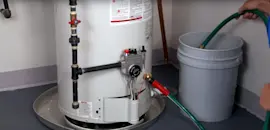
| Every 6 to 12 months | Drain a few gallons to reduce sediment | Helps prevent overheating and premature tank wear |
| About every 3 years | Inspect the anode rod | Protects the tank from corrosion |
| As needed | Replace worn valves or ignition parts | Prevents leaks and nuisance shutdowns |
If you need a replacement anode for this model, we stock the water heater anode rod 100109594.
Signs it is near end of life
Plan for replacement soon if you notice:
- Rust-colored hot water or metallic odor that persists
- Water pooling at the base of the tank (not from plumbing above)
- Rumbling or popping that continues after flushing
- Frequent pilot outages or unreliable heating
- The temperature and pressure relief valve discharging repeatedly (after confirming correct temperature and pressure)
Why it matters
Most “sudden” tank failures are corrosion-related. Keeping the anode rod in good shape and controlling sediment are the two most effective ways to extend service life and reduce leak risk.
You can order model-specific replacement parts from the parts list for FG1F3030S3NOV, or search by model number on Sears PartsDirect.
Last updated: February 2026