Owner’s manual

What pace is 3.5 on a treadmill?
On the Afg 3.1AT treadmill, a speed setting of 3.5 MPH equals a pace of about 17:09 per mile (17 minutes, 9 seconds). Your console can also show pace as “minutes to complete a mile” when the pace display is selected; see the owner's manual.
Here are common reference points around 3.5 MPH:
| Speed (MPH) | Pace (min:sec per mile) |
|---|---|
| 3.0 | 20:00 |
| 3.5 | 17:09 |
| 4.0 | 15:00 |
We convert treadmill speed to pace using:
- Pace (minutes per mile) = 60 ÷ MPH
- For 3.5 MPH: 60 ÷ 3.5 = 17.1429 minutes
- 0.1429 minutes × 60 = 8.6 seconds
- Rounded: 17:09 per mile
Your Afg console can display speed (MPH) and pace (minutes per mile), but they are not the same thing. For the most consistent results:
- Use speed (MPH) for steady walking workouts.
- Use pace if you think in “minutes per mile.”
- Let the belt run 30 to 60 seconds before judging pace; it takes a moment to stabilize.
- Keep incline at 0% if you want pace to match flat-ground effort more closely.
- If pace seems off, confirm the display mode and units in the owner's manual.
Knowing that 3.5 MPH is about a 17:09 mile helps you set realistic walking goals, compare treadmill workouts to outdoor walks, and track progress consistently using either speed or pace.
Last updated: February 2026
Is it worth repairing a treadmill?
Yes, repairing an Afg treadmill is usually worth it when the fix is maintenance-level (cleaning, belt adjustment, lubrication) or a single mid-cost part, because it restores safe operation for far less than replacing the whole machine. Use the owner's manual to follow the correct safety and maintenance steps.
We use this quick decision rule for most treadmills:
- Repair it if the total repair cost is under ~50% of the price of a comparable new treadmill.
- Replace it if repairs are frequent, multiple major parts are failing, or the frame and deck feel worn out.
- Repair it first when the symptom points to a common wear item (walking belt, walking board, drive belt) or a setup issue (power, safety key, belt tracking).
| Issue type | Common examples | Usually worth repairing? |
|---|---|---|
| Maintenance / adjustment | Belt centering, belt tension, cleaning, lubrication | Yes |
| Electrical setup / safety | Safety key, outlet/circuit issues, loose wiring | Yes |
| Mid-level parts | Speed sensor, incline parts, console keypad | Often |
| Major drive system | Drive motor, motor controller, wiring harness | Depends on treadmill age and overall condition |
These checks help you avoid paying for parts you do not need:
- Confirm the treadmill is on a properly grounded 110-120V outlet and ideally a dedicated 15-amp circuit.
- Inspect the power cord and plug; do not use the treadmill if either is damaged.
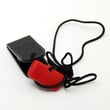
- Verify the safety tether key/clip is installed correctly before starting.
- Look for simple mechanical causes: walking belt slipping, belt not centered, or debris under the belt.
- If the console powers up but the belt will not move, follow treadmill console powers up but the treadmill won't start.
A treadmill that is poorly maintained or incorrectly powered can overheat components, trip breakers, or create a fall hazard. Following the manual’s safety guidance (unplug before cleaning or service, use the safety tether, keep children away) protects you and helps the repair last.
Last updated: February 2026
What is the average life expectancy of a treadmill?
Most home treadmills last 7 to 12 years with normal use and basic upkeep. For your Afg 3.1AT treadmill (model 3), consistent cleaning, proper belt care, and safe indoor use (as outlined in the Afg 3 user manual) are the biggest factors that keep the motor, walking belt, and electronics running longer.
| Treadmill type | Average life expectancy | Best fit for |
|---|---|---|
| Home treadmill | 7 to 12 years | Walking, jogging, moderate running |
| Light commercial | 8 to 12 years | Frequent use, multiple users |
| Full commercial | 10 to 15+ years | Gym-level daily use |
- Running a dry, over-tightened, or misaligned walking belt (extra load on the drive motor)
- Dust buildup around the motor area and electronics
- Using the treadmill in a garage, damp area, or non-climate-controlled space
- Ignoring early symptoms like belt slipping, belt drift, or speed surging
- Skipping basic safety steps (for example, not using the safety tether)
- Unplug after use and before cleaning or maintenance (reduces electrical risk and protects components).
- Wipe down with soap and a slightly damp cloth only; avoid solvents.
- Keep the unit indoors in a climate-controlled room; let it warm to room temperature if exposed to cold.
- Keep the walking belt centered and properly tensioned.
- Follow a routine maintenance schedule (belt care, deck inspection, fastener checks).
Helpful DIY references: how to maintain a treadmill, treadmill walking belt slipping, treadmill walking belt not centered.
A treadmill usually “wears out” when friction and heat rise. That extra load can damage the walking belt and deck, strain the drive motor, and contribute to premature electronic failures. Good belt care and a clean, indoor environment are the simplest ways to protect the most expensive components.
Last updated: February 2026
What is the common problem with a treadmill?
The most common treadmill problems on an Afg 3.1AT treadmill are walking belt issues (slipping, drifting off-center, or slowing down) caused by incorrect belt tension, lack of lubrication, or dust buildup that increases friction and heat. Power and control problems are also common.
- Walking belt slips when you step down, especially at higher speed.
- Walking belt drifts left or right and won’t stay centered.
- Belt slows down under load (you feel it “bog” when walking).
- Console powers up but the treadmill won’t start (often a safety key, wiring, or control issue).
- Won’t power up at all (outlet, power cord, switch, or internal electronics).
Before you adjust anything, follow the safety steps in the Afg 3.1AT owner’s manual. Unplug the treadmill before cleaning, maintenance, or removing parts.
- Confirm the treadmill is plugged into a properly grounded 110-120V outlet.
- Make sure the safety tether key/clip is installed correctly.
- Inspect the power cord for damage and keep it away from heat.
- Clean lint and dust from air openings so the drive motor and motor controller can cool.
- If the unit was stored in a cold area, let it warm to room temperature before first use to help prevent premature electronic failure.
| Symptom | Most likely cause | Typical fix |
|---|---|---|
| Belt slipping | Loose belt tension, worn belt/board, high friction | Tension adjustment; inspect belt and walking board |
| Belt not centered | Rear roller adjustment out of balance | Centering adjustment |
| Belt slows down | High friction, worn walking board, weak drive motor, motor controller issue | Clean/lube; inspect board; test motor/controller |
| Console on, no start | Safety key, wiring, motor controller | Verify key; inspect connections; diagnose controller |
Belt friction and misalignment make the drive system work harder, which can overheat components and shorten the life of the drive motor and motor controller. Regular cleaning and correct belt adjustment are the fastest ways to prevent repeat failures.
For step-by-step help, use our guides: treadmill walking belt slipping, treadmill walking belt not centered, and treadmill console powers up but the treadmill won't start.
Last updated: February 2026
What is the weight limit for Afg 3 treadmill?
The Afg 3.1AT treadmill has a 325 lb (147 kg) maximum user weight capacity. For safe operation and to protect the frame, drive motor, and walking belt, we recommend staying at or under that limit and following the safety guidance in the Afg 3.1AT treadmill owner’s manual.
The weight capacity is listed in the warranty and specifications section of the documentation.
- Look for “Weight capacity” in the warranty/specs pages
- Match the model line for 3.1AT (not 5.1AT)
- Follow the manual’s guidance that exceeding the specified weight can affect warranty coverage
Staying within the 325 lb limit helps prevent premature wear and failures in high-load areas.
- Reduces strain on the drive motor and motor controller
- Helps prevent walking belt slipping and speed drop under load
- Protects the walking board/deck from cracking or excessive friction
- Improves stability and reduces risk of injury during incline changes
| Model line | Max user weight | Metric equivalent |
|---|---|---|
| 3.1AT | 325 lb | 147 kg |
| 5.1AT | 350 lb | 159 kg |
If you are within the limit but the belt slows, slips, or will not start, focus on common causes like belt tension, deck friction, and motor control issues.
- Check belt alignment and tension adjustments
- Keep the deck and belt maintained per the manual
- Use a dedicated, properly grounded outlet as specified
For step-by-step troubleshooting, use treadmill walking belt slows down and treadmill console powers up but the treadmill won't start.
Last updated: February 2026
Is 3.5 speed on a treadmill good?
Yes. On the Afg 3 treadmill, 3.5 MPH is a solid moderate pace for many walkers and light joggers; it is “good” if you can maintain it with controlled breathing and safe form while using the safety key as directed in the Afg 3 owner’s manual.
For most treadmill workouts, 3.5 MPH lands in a brisk-walk range. Whether it is “good” depends on your goal:
- General fitness: sustainable pace for 20 to 60 minutes
- Weight loss: effective when paired with incline intervals and consistency
- Beginner conditioning: a safe target if you can talk in short sentences
- Joint comfort: often easier than running, especially with a slight incline
Use these practical checks while you walk:
- You can keep your shoulders relaxed and avoid gripping the handrails
- Your steps feel smooth (no shuffling or overstriding)
- You can speak a sentence, but singing would be difficult
- Your heart rate rises gradually and recovers within a few minutes after stopping
- You feel stable on the belt and can safely use the side rails when starting
Incline can raise intensity without forcing you to run. Your console shows speed in MPH and incline as a percent, so you can mix them intentionally.
| Goal | Better lever to adjust | Example approach at 3.5 MPH |
|---|---|---|
| Burn more calories without running | Incline | Add small incline changes in intervals |
| Improve walking endurance | Time | Hold 3.5 MPH longer each week |
| Reduce impact | Incline (small) + form | Slight incline, shorter stride |
A “good” treadmill speed is the one you can repeat safely. Consistent workouts at a moderate pace typically beat occasional all-out sessions, and good form reduces strain on knees, hips, and the walking belt.
From the treadmill guidance, we recommend:
- Use a properly grounded 110 to 120V outlet on a dedicated circuit (minimum 15-amp)
- Clip and insert the safety key before starting
- Start from the side rails, then step onto the belt once it is moving
- Keep children away during use; never leave the treadmill plugged in and unattended
For more training and setup tips, see treadmill common questions.
Last updated: February 2026
Who makes Afg treadmills?
Afg treadmills, including the Afg 3.1AT product line, are made under the Johnson Health Tech umbrella, which also produces Horizon, Vision, and Matrix fitness equipment. For model-specific documentation, safety guidance, and support steps, use the 3 owner’s manual.
On treadmills, the brand name on the console (Afg) is the consumer-facing label; the manufacturer is the company that designs the platform, sources key components, and manages service documentation.
Key places to verify brand and manufacturing details:
- Frame data plate label (model and electrical ratings)
- Console branding and decals
- Owner documentation and support references
- Parts terminology used in diagrams (console, motor controller, walking belt)
Use the model marking on the frame label to match your unit to the correct documentation and parts list.
Checklist we recommend:
- Confirm the model family shown on the cover pages (3.1AT and 5.1AT are commonly grouped)
- Record the serial number from the frame label
- Follow the safety tether clip instructions before any test run
- Unplug the treadmill before cleaning, maintenance, or removing covers
If you are trying to identify the right repair path, these DIY resources cover the most common treadmill symptoms and repairs:
- Treadmill console powers up but the treadmill won't start
- Treadmill walking belt slipping
- Treadmill walking belt not centered
| What you are trying to confirm | Best source | Why it matters |
|---|---|---|
| Exact model family | Frame label, manual cover pages | Ensures correct procedures and parts match |
| Safe operating steps | Manual safety section | Prevents shock and injury during service |
| Common symptom diagnosis | Symptom guides | Speeds up troubleshooting and repair decisions |
Knowing who makes the treadmill helps because many Afg designs share components and service procedures with related Johnson Health Tech lines; that makes troubleshooting and parts identification more consistent.
Last updated: February 2026