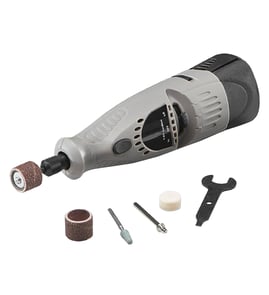

What's the difference between a rotary tool and a Dremel?
A rotary tool is the general name for a handheld, high-speed tool that spins accessories for cutting, sanding, grinding, polishing, and carving. Dremel is a brand of rotary tool; your Dremel model 380-6 is a specific rotary tool made by Dremel.
| Term | What it means | What you can expect |
|---|---|---|
| Rotary tool | The tool category (generic) | Many brands, many accessory systems, corded or cordless |
| Dremel | A brand name within the rotary tool category | Dremel-specific models, accessories, and replacement parts by model |
When you are choosing accessories or troubleshooting performance on a Dremel 380-6 moto-tool, these details make the biggest difference:
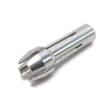
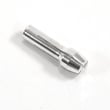
- Accessory compatibility: collet size and whether you use a collet or a chuck
- Speed control: single speed vs. variable speed (affects burning, melting, and control)
- Power source: corded vs. battery (runtime and torque feel)
- Typical jobs: cutting metal, sanding wood, engraving, polishing, grout removal
- Wear items: brushes (on brushed motors), bearings, switch, cord strain relief
“Dremel” is often used as a catch-all term, but parts and accessories are selected by tool type plus model. Using the exact model number (380-6) helps you match the right replacement components and avoid fit issues.
If you are shopping for replacement parts or trying to confirm the exact model identification before ordering, use our model-number tips in how to find your appliance model number (and what it means for parts).
Last updated: February 2026
What is the best rotary multi tool?
The “best” rotary multi-tool depends on what you’ll do most often (cutting, sanding, carving, polishing) and how long you’ll run it at a time. For a Dremel 380-6 moto-tool, we recommend choosing a rotary tool with strong speed control, comfortable grip, and easy accessory changes, then matching the kit to your projects.
- Variable speed control: helps prevent burning plastic, scorching wood, or snapping small bits.
- Power and torque: higher torque matters more than top RPM for cutting and grinding.
- Collet and accessory compatibility: common sizes (often 1/8-inch) make it easier to find bits.
- Ergonomics: a slimmer body and low vibration reduce hand fatigue.
- Corded vs. cordless: corded is best for long sessions; cordless is best for quick jobs and portability.
- Included accessories: cutting wheels, sanding drums, grinding stones, polishing pads, and a case.
| Feature | Corded rotary tool | Cordless rotary tool |
|---|---|---|
| Best for | Long run time, steady power | Convenience, tight spaces |
| Typical feel | More consistent torque | Lighter, but can bog down |
| What to watch | Cord management | Battery life and charger |
- Detail carving and engraving: prioritize smooth low-speed control and low vibration.
- Cutting bolts or metal: prioritize torque, quality cut-off wheels, and a comfortable grip.
- Sanding and shaping wood: prioritize dust control options and a kit with multiple grits.
- Polishing: prioritize low-speed stability and a kit with polishing compounds.
Rotary tools are only as good as their speed control and accessory fit. The right tool and kit reduce broken bits, improve cut quality, and help protect your workpiece and motor from overload.
For safe DIY electrical checks on any powered tool (cord, switch, or internal leads), use our guide: how to use a multimeter to test electrical parts video.
Last updated: February 2026
Which Dremel bit will cut metal?
For the Dremel 380-6 rotary tool, we use reinforced cut-off wheels to cut metal; they are designed to slice through steel and other metals when you run the tool at the proper speed and use light, steady pressure.
For most metal-cutting jobs, these accessory types work best:
- Reinforced cut-off wheels: best all-around choice for bolts, sheet metal, and steel rod
- Heavy-duty cut-off wheels: thicker wheels for longer life and straighter cuts
- Metal grinding stones: for shaping and deburring after the cut (not for making the cut)
- Carbide burrs: for carving, porting, and removing metal in tight areas
- Sanding drums or flap wheels: for smoothing edges after cutting
- Clamp the workpiece so it cannot move.
- Use the correct mandrel for the wheel and tighten it securely.
- Let the wheel do the work; pushing hard overheats the wheel and the tool.
- Make multiple shallow passes on thicker metal instead of one deep cut.
- Wear eye protection and gloves; cut-off wheels can throw sparks and fragments.
| Material | Accessory type | Typical approach |
|---|---|---|
| Thin sheet metal | Reinforced cut-off wheel | Higher speed, light pressure |
| Steel bolt or screw | Heavy-duty cut-off wheel | Medium-high speed, shallow passes |
| Aluminum | Cut-off wheel or carbide burr | Medium speed, avoid loading/clogging |
| Stainless steel | Reinforced cut-off wheel | Medium-high speed, slow feed |
Using a reinforced cut-off wheel (instead of a drill bit or grinding stone) gives you cleaner cuts, less kickback, and less heat buildup, which helps protect the Dremel 380-6 motor and bearings.
For electrical or power issues that show up while cutting (tool stops, surges, or won’t start), we use a meter to confirm power and continuity before replacing anything; see how to use a multimeter to test electrical parts video.
Last updated: February 2026
Can dremels be repaired?
Yes. Dremel rotary tools like model 380-6 are repairable in many cases; common fixes involve the power cord, switch, brushes (if equipped), bearings, or internal wiring. We recommend basic troubleshooting first, then deciding whether a DIY repair or professional service makes the most sense.
- Confirm the outlet works by testing another device.
- Inspect the power cord for cuts, kinks, or a loose strain relief.
- Try a different accessory and collet; a jammed bit can mimic a “dead” tool.
- Check for burning smell, heavy sparking, or grinding noise (stop using the tool if present).
- If the tool runs only when you wiggle the cord, the cord or internal connections are failing.
Most repairs fall into a few categories:
| Symptom | Most likely cause | Typical fix |
|---|---|---|
| Won’t turn on | Bad cord, switch, or internal wire | Test continuity; repair/replace wiring or switch |
| Runs intermittently | Loose connection, worn switch | Tighten/repair connections; replace switch |
| Weak power | Worn brushes (if equipped), dirty commutator, failing bearings | Service brushes/commutator; replace bearings |
| Loud grinding/vibration | Bearing wear, bent shaft, debris | Clean, inspect, replace worn mechanical parts |
Rotary tools are small, but they are still line-voltage power tools.
- Unplug before opening the housing.
- Take photos as you disassemble so wiring routes go back correctly.
- Use a multimeter to check continuity through the cord and switch.
- Repair damaged conductors with proper connectors and insulation, not tape alone.
A good starting point is our how to use a multimeter to test electrical parts video.
A failing cord, switch, or internal wire can overheat and damage the motor. Catching the problem early often turns a “replace the tool” situation into a straightforward repair.
Last updated: February 2026
Will Dremel accessories fit other rotary tools?
Many Dremel accessories will fit other rotary tools, but compatibility depends on the tool’s collet size, accessory shank diameter, and whether the other brand uses the same attachment interface. For the Dremel 380-6, most standard Dremel-style bits with common shank sizes are the best starting point.
Rotary tool accessories are not “one size fits all”. Fit is mainly controlled by these factors:
- Shank diameter: Many bits use 1/8-inch shanks, but some accessories use smaller shanks.
- Collet or chuck type: A multi-size chuck is more flexible than a single collet.
- Attachment interface: Some add-ons (like certain right-angle or flex-shaft style attachments) require a specific nose thread or coupling.
- Tool speed range and torque: Even if it fits, the accessory may not perform safely or well.
- Accessory length and clearance: Guards, housings, and nose shapes vary by brand.
We recommend this simple checklist to avoid wasted time and damaged accessories:
- Confirm your other rotary tool accepts 1/8-inch shank bits (or the shank size you plan to use).
- If it uses collets, verify you have the correct collet size installed.
- If it uses a chuck, confirm the chuck’s minimum and maximum grip range.
- Hand-tighten and test for wobble before powering on.
- Run the tool at low speed first; stop immediately if you see vibration or slipping.
| Accessory type | Usually cross-compatible? | Notes |
|---|---|---|
| Standard bits (cutoff wheels mandrels, sanding drums, burrs) | Often | Most depend on shank size and chuck/collet fit. |
| Specialty attachments (right-angle, flex shaft, some guides) | Sometimes | Interface threads/couplers vary by brand and model. |
| Larger diameter wheels/brushes | Sometimes | Clearance and safe speed rating matter as much as fit. |
Using an accessory that “kind of fits” can cause runout (wobble), poor cuts, broken cutoff wheels, or a bit that slips out under load. Matching shank size and the correct collet or chuck fit protects your Dremel 380-6 and improves control.
If you are troubleshooting a rotary tool that will not run or seems to lose power under load, electrical testing basics help you separate a tool issue from an accessory issue: how to use a multimeter to test electrical parts video.
Last updated: February 2026