Owner’s manual
 View engine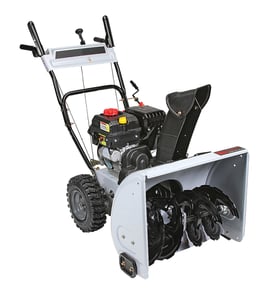

What is the typical lifespan of a gas snowblower?
A well-maintained gas snowblower like the Craftsman 917881052 typically lasts 10 to 15 years. With consistent seasonal maintenance (oil changes, spark plug service, belt inspections) and proper off-season storage, many owners get 15 to 20 years of reliable use.
What most affects lifespan
- Maintenance schedule followed every season (oil, lubrication, inspections)
- Fuel care and storage prep to prevent gum deposits in the carburetor and fuel system
- Cleaning after use to reduce corrosion and wear
- Replacing wear items on time (belts, spark plug, shear pins)
- Operating conditions (heavy, wet snow and frequent use shorten life)
Maintenance habits that extend life
Use the 917881052 owner's manual to follow the recommended maintenance and storage steps. These habits make the biggest difference:
- Change engine oil on schedule (use the oil type listed in the manual)
- Replace the spark plug at the beginning of each season or about every 100 hours
- Keep the housing clean; avoid spraying water into the engine area
- Inspect belts before and after the season; replace if cracked, glazed, or stretched
- Store the unit clean and dry; prep the fuel system for storage
Common wear items vs. long-life components
| Item | Typical replacement frequency | Why it matters |
|---|---|---|
| Spark plug | Yearly or ~100 hours | Easier starting, smoother running |
| Belts | Every few seasons (usage dependent) | Maintains auger/drive performance |
| Auger/drive hardware | As needed | Prevents slippage and abnormal wear |
| Engine and auger housing | Many years | Lifespan depends on maintenance and storage |
When to plan for a major repair
If the auger drive starts slipping or the auger stops under load, inspect the belt and related drive parts. For this model, the snowblower auger drive belt 532408007 is a common wear item to check when performance drops.
Why it matters
A gas snowblower’s lifespan is mostly determined by how well the engine and drive system are protected from dirty fuel, moisture, and neglected wear parts. Regular upkeep costs less than major repairs and keeps throwing performance consistent.
Last updated: January 2026
How do I tell what year my snowblower is?
To estimate the year of your Craftsman snow thrower model 917881052, start with the serial number on the rear housing decal and compare it to the identification guidance in the 917881052 owner's manual. If the engine is original, the engine’s manufacturing code can also indicate the engine build date.
Where to find the information
The model and serial numbers are recorded from a decal attached to the rear of the snow thrower housing.
- Look for a decal on the rear of the snowblower housing.
- Write down the model number (917881052) and the serial number.
- If your unit has the original engine, locate the engine code/date code on the engine shroud or valve cover area.
- Keep the serial number with your purchase date for future reference.
How to use the serial number vs. engine code
The snowblower’s serial number identifies the unit; the engine code identifies when the engine was built (helpful if the engine is original).
| What you check | What it tells you | Best use |
|---|---|---|
| Snowblower serial number decal | Production/identity info for the machine | Confirming the unit’s identity and matching parts |
| Engine manufacturing code | Engine build date | Estimating age of the engine (if original) |
Why it matters
Knowing the approximate year helps us match the correct Craftsman parts and diagrams (belts, shear pins, cables, and hardware) and avoid ordering look-alike parts that do not fit.
Helpful tip when ordering parts
If you are troubleshooting age-related wear (slipping auger, poor throwing performance), the belt is a common maintenance item; check for cracking, glazing, or stretching and match it to the correct replacement such as the snowblower auger drive belt 532408007 when it applies to your symptom.
Last updated: January 2026
Is it cheaper to repair or replace a snowblower?
For a Craftsman snow thrower like model 917881052, it’s usually cheaper to repair when the problem is a normal wear item (belt slip, chute issues, basic tune-up), but replacement makes more sense when major drivetrain or engine repairs approach about half the cost of a comparable new unit.
Quick decision checklist
- Repair if the issue is routine maintenance or a single failed part (belt, cable, spring, fastener).
- Repair if the machine starts reliably and the auger and drive systems are otherwise solid.
- Replace if the engine has low compression, severe oil burning, or repeated no-start problems after proper service.
- Replace if the auger/gearbox area has major damage (for example, stripped gears) and multiple high-cost parts are needed.
- Replace if rust or structural damage affects the auger housing, frame, or controls.
Typical repair costs vs. replacement value
| Scenario | What it usually involves | Best choice |
|---|---|---|
| Belt slipping or broken | Belt replacement and inspection of pulleys/idlers | Repair |
| Chute control problems | Cable/rod adjustment or control parts | Repair |
| Auger gearbox failure | Gearbox-related parts plus labor | Often replace |
| Multiple major issues | Engine + drivetrain + housing repairs | Replace |
Model-specific notes for 917881052
Your operator manual calls out that belts are not adjustable and should be replaced when worn or slipping; it also recommends replacing both belts at the same time. Use the 917881052 owner’s manual to confirm the correct service procedure and safety steps before pricing the repair.
If your symptom is auger slip or no-throw performance, the snowblower auger drive belt 532408007 is a common wear item to check first.
Why it matters
A snowblower repair is a good value when you’re restoring normal wear performance. Once you’re paying for major drivetrain or engine work, the cost can climb quickly, and a newer machine can deliver better reliability per dollar.
Last updated: January 2026
What is the most common problem with snow blowers?
The most common snowblower problem on gas models like the Craftsman 917881052 is a no-start or hard-start condition, usually tied to fuel and ignition basics (old gas, dirty carburetor passages, or a worn spark plug). Clogged discharge chutes and belt wear are also frequent.
Most common issues we see (and what to check first)
- Won’t start: confirm the fuel shut-off valve is ON (if equipped) and the safety key is fully inserted.
- Old or contaminated fuel: replace fuel that sat for a season; rust or dirt in the gas can cause problems.
- Spark plug problems: inspect, clean, gap, or replace the plug as needed.
- Clogged discharge chute: shut the engine off, wait for the impeller to stop, then clear with a clean-out tool.
- Auger or drive not working: worn belts can slip; this model’s V-belts are not adjustable and should be replaced when worn.
Quick troubleshooting map
| Symptom | Most likely cause | Best first action |
|---|---|---|
| Engine won’t start | Fuel valve OFF, key not inserted, stale fuel | Turn valve ON, insert key, drain/replace fuel |
| Runs rough or lacks power | Fuel quality, spark plug condition | Refresh fuel, check plug |
| Snow won’t discharge well | Chute clog, auger/impeller issue | Clear chute safely, inspect auger area |
| Auger stops under load | Belt slipping/worn | Inspect belt, replace if glazed/cracked |
Why it matters
These problems are common because snowblowers sit unused for long stretches. Fuel degrades, moisture causes corrosion, and wear parts like belts gradually lose grip. Staying ahead of storage and maintenance prevents most mid-storm breakdowns.
Model-specific tips for the Craftsman 917881052
- Follow the storage guidance in the 917881052 owner’s manual to avoid fuel-related starting issues.
- If the auger drive slips, inspect the belt and replace with the correct OEM-style belt; a common wear item is the snowblower auger drive belt 532408007.
- Avoid lubricating traction drive components inside the unit; contamination can damage the friction drive system.
Last updated: January 2026