Owner’s manual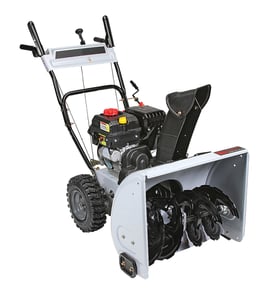



What is the best rated gas snow blower?
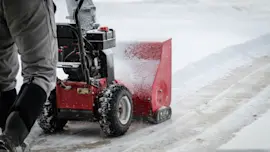
The best rated gas snow blower is the one that matches your snowfall depth, driveway size, and traction needs; most owners rate two-stage machines highest for heavy, wet snow, while single-stage models rate best for smaller areas and lighter snow. For your MTD model 611, use the same sizing rules and confirm operating features in the owner's manual.
How to pick the “best rated” type for your conditions
Most ratings favor performance in the conditions the machine is built for.
- Single-stage: best for lighter snow and smaller driveways; lighter and easier to maneuver.
- Two-stage: best overall for deep snow and plow-packed berms; auger feeds an impeller for longer throw.
- Clearing width: wider clears faster but takes more effort to turn.
- Engine size (cc): higher cc typically handles deeper, wetter snow better.
- Drive system: self-propelled with multiple speeds rates higher for long or sloped driveways.
Quick comparison guide
| Your situation | Best match | What to prioritize |
|---|---|---|
| Light snow, short driveway | Single-stage gas | Maneuverability, easy start, compact storage |
| Mixed snow, medium driveway | Two-stage gas | Traction, multiple forward speeds, chute control |
| Heavy, wet snow; long driveway | Two-stage (heavy-duty) | Larger engine cc, aggressive tires, durable auger/impeller |
What to check on your MTD 611 for top performance
Even a highly rated snowthrower underperforms when wear parts are out of spec.
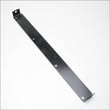
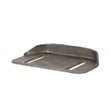
- Inspect the scraper area; replace a worn shave plate 33290H if the housing rides too high or leaves snow behind.
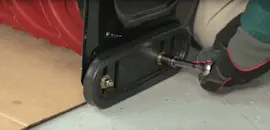
- Check skid shoes for uneven wear and set them evenly for your surface.
- Verify auger engagement and belt condition if throwing distance drops.
- Keep the chute clear; use the clean-out tool (never hands).
- Follow the fuel and oil steps and safety rules listed in the manual before starting.
Why it matters
“Best rated” usually reflects fewer clogs, better throwing distance, and easier control in the snow conditions tested. Matching the machine type to your snow and keeping wear items (like the shave plate and skid shoes) in good shape is what delivers those results.
Last updated: February 2026
What is the typical lifespan of a gas snowblower?
A gas snowblower like the MTD 611 typically lasts 10 to 20 years with normal residential use and consistent maintenance. The biggest lifespan drivers are off-season fuel storage, routine belt and friction-drive upkeep, and avoiding damage from gravel, ice chunks, and impacts.
Typical lifespan ranges (what to expect)
Most gas snowthrowers fall into these practical ranges:
- 10 to 20 years: typical lifespan with good maintenance
- 8 to 12 years: common when maintenance is irregular (old fuel, worn belts, neglected friction drive)
- 20 years: achievable when storage and wear items are handled on schedule
| Condition | What you’ll notice | Likely outcome |
|---|---|---|
| Well maintained | Starts easily, steady power, consistent drive speeds | Longer service life |
| Maintenance skipped | Hard starting, slipping drive/auger, frequent adjustments | Shorter service life |
| Stored with fuel issues | Gum deposits, starting problems after storage | More repairs over time |
Maintenance that extends life the most
We see these items make the biggest difference on machines like the MTD 611:
- Change engine oil on schedule (per the engine instructions)
- Use fresh fuel; avoid leaving fuel sitting for extended periods
- Prep for storage if the unit will sit over 30 days (fuel system care is key)
- Keep the auger and drive systems adjusted so they fully engage and fully disengage
- Replace wear items before they damage other components (belts, friction drive parts, skid shoes)
For model-specific operating and storage steps, use the owner's manual.
Why it matters
A snowblower’s engine can last a long time, but drive and auger performance often determines when the machine feels “worn out.” Slipping, poor throwing distance, or inconsistent ground speed usually points to serviceable wear parts, not the entire snowblower.
When replacement makes sense
Replacement is usually the better call when:
- Repairs repeatedly exceed the value you are getting from the machine
- The unit struggles with normal snowfall even after tune-up and adjustments
- The housing and drivetrain have multiple worn components at the same time
Last updated: February 2026
How do I find the model number on my 611?
The model number for your MTD gas snowthrower is on the model and serial number label attached to the machine. Once you find it, match it exactly (including any dashes or extra digits) when looking up parts and diagrams in the MTD 611 owner's manual.
Where to look on an MTD snowthrower
Check these common label locations first:
- On the rear of the frame near the handles
- On the side of the auger housing (the front bucket)
- Near the engine mounting area on the frame
- Under or behind the belt cover area
- On the axle or lower frame rail near the wheels
What to write down (and why)
Record the information exactly as shown on the tag.
- Model number: identifies the correct parts breakdown for your unit
- Serial number: helps confirm production run details
- Model series: some labels show “Model Series 611”, which still needs the full model identifier from the tag for best parts matching
Quick ID guide
| Label item | What it does | When you need it |
|---|---|---|
| Model number | Matches parts diagrams and lists | Always, before ordering parts |
| Serial number | Confirms build/run details | Helpful when parts vary by run |
| Engine model (if listed) | Identifies engine-specific parts | When servicing carburetor, ignition, recoil, etc. |
Why it matters
MTD snowblower parts can vary by production run even within the same series. Using the exact model number prevents ordering the wrong belt, skid shoe, or hardware and helps you pull the correct diagrams and part numbers.
Last updated: March 2026