Error Codes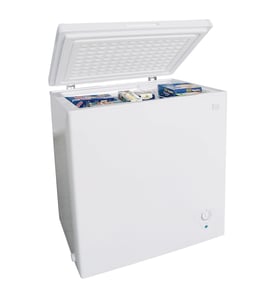





Where is the model number on a Kenmore chest freezer?
On a Kenmore chest freezer like model 1987191550, the model number is printed on a rating label that’s usually inside the cabinet near the top rim, on an interior side wall, or on the exterior back of the unit. We use that model number to match the correct parts list and diagrams.
- Inside the freezer: on an interior side wall or near the upper rim (just under the lid)
- Back of the cabinet: on the exterior rear panel
- Side of the cabinet: sometimes on an exterior side panel near the rear
- Near the compressor area: occasionally on a label close to the lower rear
The label typically includes several identifiers. For parts lookup, we recommend recording these exactly:
| Label item | Why it matters for parts | Example format |
|---|---|---|
| Model number | Primary key for correct diagrams and parts | 1987191550 |
| Serial number | Helps identify production run | Letters and numbers |
| Electrical ratings | Useful for troubleshooting | Volts/amps/Hz |
- Wipe the label gently with a damp cloth; frost, dust, or grime can hide characters.
- Use your phone camera and zoom in; angled light often makes faded print readable.
- Copy the model number exactly as shown (including any dashes or extra digits).
Kenmore freezer parts can vary by production run; using the exact model number helps ensure you get the right replacement part the first time, whether you’re ordering a sealed-system item like a drier W10843121 or a small hardware piece.
If you’re ordering parts, start with the parts list for model 1987191550 and, if you’re searching more broadly by model number, use Sears PartsDirect.
Last updated: February 2026
Who makes Kenmore chest freezers?
Kenmore chest freezers (including model 1987191550) are made for Kenmore by different manufacturers, depending on the specific model and production run. Kenmore is a brand name; the actual manufacturer varies, so the most reliable way to identify who built yours is by using the model and serial information when selecting replacement parts.
- Check the rating label (usually inside the cabinet or on the back) for the serial number and any manufacturer code.
- Match parts by model number 1987191550 to ensure fit and compatibility.
- Compare the part style used in your freezer to the parts listed for this model.
- If you are servicing the sealed system, use only the exact service parts intended for the unit.
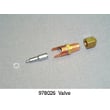
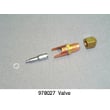
When you shop by model, you are effectively matching the freezer to the correct manufacturer-built design. For example, this model’s parts list includes sealed-system related items like the drier W10843121 and service access components like the refrigerator service valve WP978025.
| What you’re trying to do | Best way to confirm fit | Example part type you may see |
|---|---|---|
| Replace a failed component | Match by model number and part ID | Drier, capacitor, bulb |
| Service sealed system | Use exact sealed-system parts for the model | Drier, service valve |
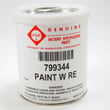
| Cosmetic touch-up | Match color and application type | Touch-up paint |
Kenmore uses multiple manufacturers across its product lines, and parts are not interchangeable just because the badge says Kenmore. Matching parts to 1987191550 prevents ordering the wrong component and helps keep cooling performance and safety intact.
You can order replacement parts for Kenmore 1987191550 from the parts list for this model, or search by model number on Sears PartsDirect.
Last updated: February 2026
Why is my Kenmore chest freezer leaking water?
Water leaking from your Kenmore 1987191550 chest freezer almost always comes from condensation or defrost water that is not evaporating normally. The most common causes are a warm, humid air leak at the lid gasket, a blocked/iced drain path (if equipped), or frost/ice buildup that melts during off-cycles.
- Make sure the freezer is level (slightly higher in the front helps the lid seal).
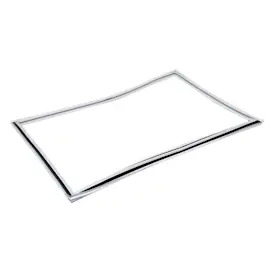
- Inspect the lid gasket for gaps, tears, or areas that feel loose.
- Look for heavy frost on the inner walls or around the lid opening.
- Confirm the drain plug/cap (if your unit has one) is seated and not leaking.
- Check the room conditions; high humidity or a damp basement increases condensation.
| What you see | Likely cause | What to do |
|---|---|---|
| Water on the floor near the front | Lid not sealing, warm air entering | Clean gasket and rim; test seal with a paper strip; adjust leveling |
| Water after a power outage or long lid-open time | Ice melt from temperature rise | Wipe up; restore temperature; avoid frequent openings |
| Water inside bottom of cabinet | Drain path iced/blocked (if equipped) | Unplug, thaw ice, clear drain opening, dry interior |
| Persistent sweating on exterior | High humidity, frequent openings | Improve ventilation, reduce humidity, verify lid closes fully |
- Close the lid on a strip of paper.
- Gently pull the paper out.
- Repeat around the entire perimeter.
- Strong resistance all around: seal is good.
- Easy pull in one area: that spot is leaking air and can cause frost and water.
A small air leak makes the compressor run longer, builds frost faster, and creates more meltwater during off-cycles. Fixing the seal and frost source stops the leak and helps protect food quality and energy use.
If you find gaps where warm air is entering or you need to reseal small openings after a repair, these items are commonly used:
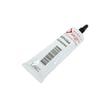
- Cement 1 pt WP279368 (appliance silicone sealant for sealing small gaps)
- Sears refrigerator permagum sealer 212643 (moldable sealer for certain cabinet penetrations)
You can order replacement parts for your Kenmore 1987191550 from the parts list for this model, or search by model number on Sears PartsDirect.
Last updated: February 2026
Do chest freezers have coils to clean?
Yes; Kenmore chest freezers like model 1987191550 either have exposed condenser coils you should clean periodically, or they use a “skin condenser” with coils hidden in the cabinet walls (no coil grid to brush). Cleaning dust from the compressor area helps either design.
Unplug the freezer, then check the rear lower area near the compressor compartment:
- A radiator-like coil grid or finned tubing is present: cleanable condenser coils
- No coil grid, mostly a compressor and tubing: coils are likely hidden in the walls
- Dust packed around the compressor compartment: clean the compartment for airflow
- Cabinet sides feel warm while running: common with hidden coils and is normal
- Unplug the freezer.
- Vacuum dust from the rear lower area and around the compressor.
- If coils are exposed, use a soft brush and vacuum to remove lint from the coil surface.
- Keep the brush gentle; avoid bending fins or stressing refrigerant lines.
- Restore power and confirm the freezer cools normally.
| Location/use | Typical cleaning interval | What to clean |
|---|---|---|
| Clean indoor space | Every 12 months | Coils (if exposed) and compressor area |
| Pets, garage, dusty area | Every 3 to 6 months | Coils (if exposed) and compressor area |
A dusty condenser area traps heat. That increases run time, can reduce cooling performance, and adds strain to the compressor and start components.
If you are resealing a small access opening after service, use an appliance-rated sealant:
- Cement 1 pt WP279368 (appliance silicone sealant for sealing small openings)
You can order replacement parts for your Kenmore 1987191550 from the parts list for this model, or search by model number on Sears PartsDirect.
Last updated: February 2026