Owner’s manual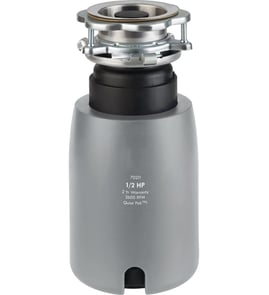

How long does a Kenmore garbage disposal last?
A Kenmore garbage disposal typically lasts 10 to 12 years with normal household use. To help your Kenmore model 17560572 reach that lifespan, use cold water while grinding, avoid grease, and flush the drain line after each use (details in the owner's manual).
Typical lifespan and what affects it
Most food waste disposers land in this range when they are used correctly and kept clear of grease buildup.
- 10 to 12 years is the typical service life
- Heavy daily use can shorten life
- Grease and fibrous foods speed up clogs and wear
- Running water correctly reduces strain on the motor and helps prevent drain blockage
- Small hard items (ice, small bones, fruit pits) can help scour the grind chamber when used properly
Care habits that extend disposal life (based on Kenmore guidance)
The Kenmore instructions emphasize cold water use, gradual feeding, and flushing the drain line.
- Run a moderate to strong flow of cold water before turning the disposer on
- Feed waste gradually; do not pack the grind chamber
- Keep cold water running and then flush at least 15 seconds after grinding is complete
- Do not pour grease or fat into the disposer or drain
- Avoid extremely fibrous waste (for example, corn husks and artichokes)
Quick do and don’t table
| Do | Don’t |
|---|---|
| Use cold water while grinding | Use hot water while grinding food waste |
| Flush the drain line after grinding | Turn the disposer off before grinding is finished |
| Grind small hard items occasionally for scouring | Dump a large batch of peels in at once |
| Inspect for leaks at fittings | Pour grease or fat down the drain |
Why it matters
Good operating habits reduce grease buildup and drain blockage, keep the grind chamber cleaner, and lower motor load. That combination is what most often separates a disposal that lasts a decade from one that fails early.
Parts and support
If you are shopping for replacement parts for Kenmore 17560572, start with the model parts list, or search by model number on Sears PartsDirect.
Last updated: February 2026
Why don't plumbers like garbage disposals?
Plumbers often dislike garbage disposals because they increase the odds of clogged drains and service calls when the disposer is used like a trash can. Even with a Kenmore 17560572 food waste disposer, fibrous scraps, grease, and hard objects can jam the unit or build up in the trap and drain line (see the 17560572 owner's manual).
What causes the most problems
These items commonly lead to jams, slow drains, or blockages downstream:
- Grease or fat; it cools and coats pipes, then traps debris
- Extremely fibrous foods (corn husks, artichokes, celery-type fibers)
- Large hard items (whole bones, fruit pits) that can jam the grind chamber
- Non-food items (metal like bottle caps, glass, plastic)
- Caustic drain cleaners; they can damage components and create unsafe conditions
How we recommend using a disposer to avoid clogs
Good operating habits reduce plumbing issues and extend disposer life:
- Run cold water at a moderate to strong flow before switching the disposer on
- Feed scraps gradually instead of packing the chamber full
- Keep water running for at least 15 seconds after grinding to flush the drain line
- Use ice or small bones occasionally for a scouring action (in small amounts)
- Put grease in the trash, not down the sink
Quick do and don’t comparison
| Situation | Do | Don’t |
|---|---|---|
| Grinding food waste | Use cold water and steady flow | Use hot water while grinding |
| Handling peels | Add slowly | Dump a large pile at once |
| Fibrous scraps | Compost or trash them | Grind corn husks or similar fibers |
| After grinding | Flush with water for 15 seconds | Shut off immediately |
Why it matters
A disposer problem rarely stays “in the disposer.” Grease and fibrous waste can collect in the P-trap and branch drain, causing slow draining, backups, and leaks at fittings. Regularly inspecting plumbing connections for leaks also helps prevent property damage.
Parts and help
We list replacement parts for Kenmore model 17560572 on the model parts page; you can also search by model number on Sears PartsDirect if you are matching a component or diagram.
Last updated: February 2026
Is it cheaper to repair or replace a garbage disposal?
For a Kenmore 17560572 food waste disposer, repair is cheaper when the unit still runs and the problem is a jam, a tripped reset, or a loose plumbing connection. Replacement is the better value when the disposer body leaks or the motor is failing. Use the owner's manual for safe jam-clearing and operating steps.
Typical cost comparison
| Option | Typical total cost | Best when |
|---|---|---|
| Repair (parts + labor) | $70 to $250 | Jam, reset trip, minor leak at a fitting |
| Replace (unit + install) | $250 to $600 | Motor failure, cracked or corroded housing |
Quick decision checklist
- Reset restores normal operation: repair.
- Jam you can clear: repair (often no parts needed).
- Leak at a connection (sink flange, dishwasher inlet, discharge tube): repair.
- Leak from the disposer body (housing seam, corrosion): replace.
- Motor hums but will not spin after clearing a jam: replace.
Manual-based tips that prevent repeat problems
From Kenmore operating guidance:
- Run cold water at a moderate to strong flow before turning the disposer on.
- After grinding, let water run at least 15 seconds to flush the drain line.
- Avoid grinding grease, hot grease/hot liquids, and extremely fibrous waste (corn husks, artichokes) to reduce clogs.
Why it matters
Most service calls are low-cost jams or drain-line issues; a leaking housing or weak motor usually leads to repeat failures and higher total cost.
For model-number searching and ordering, start with the model resources and then use Sears PartsDirect.
Last updated: February 2026