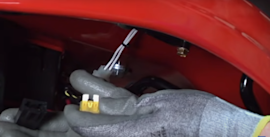
Installation guide
 Owner’s manual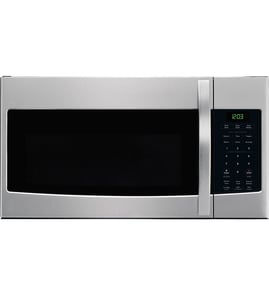


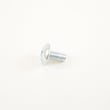

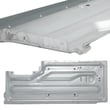
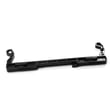
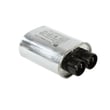
How to replace Kenmore microwave filter?
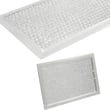
On Kenmore microwave/hood combo model 72180029700, the removable “filter” most owners mean is the grease filter under the microwave. We replace it by sliding the filter to the side, dropping it down, then sliding the cleaned or new filter back into the frame slot until it locks (see the owner's manual).
- Unplug the microwave or disconnect power.
- From the bottom of the unit, locate the grease filters.
- Slide one filter to the side.
- Pull the filter downward, then push it to the other side so it drops out.
- To reinstall, slide the filter into the frame slot on one side of the opening.
- Push the filter upward, then push it to the other side to lock it in place.
- Restore power.
Most grease filters are reusable metal filters; cleaning monthly keeps airflow strong and reduces grease buildup.
| Task | Best for | What to use | What to avoid |
|---|---|---|---|
| Clean the grease filter | Normal grease buildup | Hot water + mild detergent; soak and scrub | Ammonia; corrosive cleaners (lye-based); dishwasher |
| Replace the grease filter | Bent frame, torn mesh, heavy staining, won’t come clean | New filter | Reusing a damaged filter |
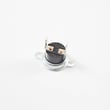
If you need a replacement for this model, match the filter by model number and part listing; a common option on this page is the microwave grease filter 5230W1A012E.
A clogged grease filter restricts venting, can make the fan louder, and lets grease collect inside the vent area. Keeping the filter clean helps your Kenmore 72180029700 vent properly and keeps cooking odors moving out.
Last updated: February 2026
Can I replace a microwave with a range hood?
Yes; you can replace your Kenmore 72180029700 microwave/hood combo with a dedicated range hood as long as the new hood fits the cabinet opening and you have a safe way to handle venting (ducted or recirculating) and electrical power. Use the installation guide to confirm mounting and vent locations before you buy anything.
- Cabinet opening size: Measure width, depth, and the bottom-to-cabinet clearance above the cooktop.
- Venting path: Decide whether you will vent outside (roof or wall duct) or use recirculating mode.
- Duct size and direction: Many hoods use 3-1/4 x 10 inch rectangular or 6 inch round ducting; match what you have or plan to modify.
- Electrical: Verify a properly grounded outlet or hardwire setup where the hood will mount.
- Makeup air and backdrafting: Stronger hoods can affect airflow in tight homes; plan accordingly.
| Option | Best for | What changes in the cabinet/wall | Typical tradeoff |
|---|---|---|---|
| Ducted to outside | Heavy cooking, best odor removal | Requires duct run and a wall or roof cap | More installation work |
| Recirculating (ductless) | No access to outside vent | No exterior duct; uses charcoal filter | Less effective at smoke and moisture |
When you remove the microwave, you typically gain cabinet space above, but you may need to:
- Patch or cover the old mounting holes
- Adjust the backsplash or wall surface behind the unit
- Rework the duct opening if the microwave used a different vent direction
- Replace the lighting approach over the cooktop (hood lights differ from microwave lights)
A microwave/hood combo like the Kenmore 72180029700 is designed around specific mounting points and vent routing. Confirming vent direction and cabinet measurements first prevents buying a hood that cannot be mounted securely or vented correctly.
Last updated: February 2026
Where can I find my Kenmore microwave model number?
On the Kenmore microwave/hood combo model 72180029700, the model number label is located on the front of the oven (the front frame area you see when you open the door). This label is used to match the correct parts list and installation information.
For model 72180029700, start with the oven front; if the label is worn or covered, these are the next most common spots to look:
- On the front frame behind the door (around the opening)
- Along the side of the control panel frame
- On the inside edge of the door area (near the latch side)
- On the back panel (less common for over-the-range units)
- On the inside wall of the cooking cavity (varies by design)
The model label is usually a small sticker or metal tag with printed information.
| What you may see | What it means | Why you need it |
|---|---|---|
| Model number (example: 72180029700) | Identifies the exact microwave version | Ensures parts fit and diagrams match |
| Serial number | Production identifier | Helpful for service history |
| Electrical ratings | Voltage and wattage info | Useful for troubleshooting and safe installation |
Kenmore microwaves often have similar-looking units with different internal parts (door switches, fuses, filters, and mounting hardware). Using the exact model number helps us match you to the correct diagrams, compatible replacement parts, and the right mounting details in the installation guide.
- Write the model number exactly as shown (include all digits)
- Use the model number to confirm fit before ordering items like a grease filter or door interlock switch
- If you are replacing installation hardware, verify the mounting style in the installation guide
Last updated: February 2026
What are common problems with microwave vents?
On the Kenmore 72180029700 microwave/hood combo, the most common vent problems are weak airflow from dirty filters or blocked ducting, a vent damper that sticks, and a fan that runs when you cannot turn it off (the unit can auto-run the fan on HIGH if the cooktop heat gets too hot). See the installation guide for venting setup details.
- Poor smoke and odor removal: grease filter clogged, duct run too long, or too many elbows
- Rattling or flapping noise: vent damper door sticking or vibrating
- Fan runs by itself: automatic high-speed fan feature triggered by heat from the range
- Fan runs but airflow is weak: blocked wall cap/roof cap, crushed duct, or incorrect transition
- Grease buildup on cabinets: filter not cleaned regularly or recirculating setup without proper filtration
- Clean or replace the grease filter; a clogged filter is the most common airflow killer. If you need a replacement, use the microwave grease filter 5230W1A012E.
- Confirm the venting mode (recirculating vs wall vented vs roof vented). The blower position must match the installation.
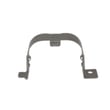
- Inspect the damper for sticking; replace if it does not swing freely (see microwave vent damper door 4900W1A001B).
- Look for duct restrictions: excessive elbows, long runs, or a blocked wall cap.
Long duct runs and multiple elbows reduce airflow fast. The venting plan in the installation guide shows how fittings add “equivalent feet” to total duct length.
| Item in duct run | Typical impact on airflow | What to do |
|---|---|---|
| Grease filter clogged | High restriction | Clean or replace filter |
| Extra elbows | Medium to high restriction | Reduce bends where possible |
| Long straight duct | Medium restriction | Keep run as short as practical |
| Stuck damper | Blocks exhaust | Free up or replace damper |
A properly vented microwave/hood combo protects your cabinets and microwave from heat and grease, improves smoke capture, and reduces odors. It also helps prevent the fan from running longer than expected due to heat buildup.
Last updated: February 2026
How many cubic feet is a Kenmore Model 72180029700 microwave?
The Kenmore microwave/hood combo model 72180029700 has an oven cavity capacity of 1.5 cubic feet, based on the specifications listed in the owner's manual.
In the specifications section, capacity is listed as the “Capacity of oven cavity”.
- Power supply: 120V AC, 60 Hz
- Rated power consumption: 1500W
- Microwave output: 1000W (IEC 60705 rating)
- Overall dimensions (WxHxD): 29 15/16 in x 16 7/16 in x 15 3/8 in
- Oven cavity dimensions (WxHxD): 21 9/16 in x 9 1/10 in x 14 1/8 in
| Spec | Value |
|---|---|
| Model | 72180029700 |
| Capacity | 1.5 cu. ft. |
| Output | 1000W |
| Overall width | 29 15/16 in |
Capacity helps you judge what cookware and dish sizes fit comfortably, and it is also useful when comparing over-the-range microwave/hood combos for replacement planning.
Last updated: February 2026