Owner’s manual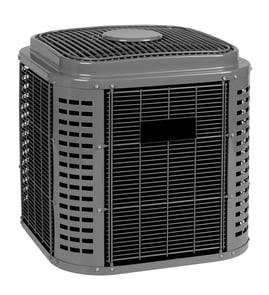



Is a 3 ton AC too big for 1500 square feet?
A 3-ton central AC can be too big for a 1,500 sq ft home, but it is also a common match in hotter climates or in homes with higher heat gain. The right answer depends on a load calculation and how well your ductwork and airflow are set up for your Carrier 38CKC030 condensing unit (3-ton class).
Quick sizing guidance (what usually works)
Use these as planning ranges, then confirm with a Manual J load calculation:
- 2.0 to 2.5 tons: many 1,500 sq ft homes in mild climates, good insulation, shaded windows
- 2.5 to 3.0 tons: many 1,500 sq ft homes in warm climates, average insulation, typical sun exposure
- 3.0+ tons: usually only when the home has high heat gain (large west-facing glass, poor insulation, leaky ducts, high ceilings)
Signs a 3-ton system is oversized
Oversizing often shows up as comfort and humidity problems, not just temperature issues:
- Short cycling (starts and stops frequently)
- Rooms feel cool but sticky or humid
- Uneven temperatures from room to room
- Noisy airflow or whistling registers (duct static pressure issues)
- Higher wear on electrical components from frequent starts
Why oversizing matters
An oversized system can cool the air so quickly that it does not run long enough to remove much humidity. That can leave you uncomfortable and can increase cycling stress on the compressor and controls.
What to check before changing equipment size
We recommend confirming these basics first because airflow and controls can mimic “wrong size” symptoms:
- Air filter and airflow: your system should not run without a clean filter installed
- Supply and return registers: keep them open and unblocked
- Outdoor unit clearance: keep debris away and maintain about 12 inches minimum clearance from tall grass, shrubs, and vines
- Thermostat habits: avoid rapid temperature changes; wait at least 5 minutes after shutdown before adjusting again
- Ductwork condition: leaks, crushed flex duct, or undersized returns can cause short cycling and poor comfort
For the maintenance and operating guidance above, follow the Carrier instructions in the owner's manual.
Rule-of-thumb table (useful for a first pass)
| Home factors at ~1,500 sq ft | Typical tonnage outcome |
|---|---|
| Mild climate, tight/insulated, good shade | 2.0 to 2.5 tons |
| Warm climate, average insulation, average sun | 2.5 to 3.0 tons |
| High heat gain or duct issues | 3.0 tons or more (after fixes) |
Last updated: February 2026
How long should a Carrier AC compressor last?
A compressor in a Carrier central AC like model 38CKC030 typically lasts 10 to 15 years. Lifespan depends most on airflow around the outdoor condensing unit, avoiding rapid-cycling from thermostat changes, and getting regular professional maintenance as outlined in the owner's manual.
What affects compressor life the most
- Restricted outdoor airflow: debris, tall grass, shrubs, or anything leaning against the unit reduces efficiency and shortens life.
- Rapid-cycling: “jiggling” the thermostat or quickly changing settings can stress the compressor.
- Short restarts: after the compressor shuts off, wait at least 5 minutes before changing the thermostat setting.
- Dirty coils or airflow problems indoors: clogged filters and dirty coils raise operating pressures.
- Loose or failing electrical components: worn contacts or weak capacitors can cause hard starts and overheating.
Maintenance habits that help you reach the high end of the range
We recommend these routine steps for a 38CKC030 outdoor unit:
- Keep the outdoor unit uncovered and clear of obstructions.
- Remove leaves and grass clippings from the cabinet top and base.
- Maintain at least 12 inches of clearance from tall grass, vines, and shrubs.
- Use the thermostat normally; do not control cooling by switching power on and off.
- Schedule a system inspection yearly (or at least every other year), including coil cleaning, drain inspection, and electrical checks.
Quick troubleshooting: when compressor wear is more likely
| Symptom | Common related issue | What to check first |
|---|---|---|
| Outdoor unit hums but will not start | Weak run capacitor or contactor issue | Electrical components and wiring connections |
| Frequent clicking or chattering | Contactor contacts worn or low voltage | Contactor condition and secure connections |
| Starts hard, then trips | Capacitor weak, motor load high, dirty coils | Capacitor, fan operation, coil cleanliness |
If you are diagnosing a no-start or hard-start condition, the capactr dual CAP050300440RSP and the motor HC39GE233 are common related parts to inspect in the outdoor condensing unit.
Why it matters
A compressor is the most expensive component in the condensing unit. Preventing rapid-cycling and keeping airflow unrestricted reduces heat and electrical stress, which is what most often shortens compressor life.
Last updated: February 2026
How much do 3 ton AC units usually cost?
A typical installed price for a 3-ton central AC system is about $3,000 to $15,000 total, depending on efficiency (SEER2 rating), whether you replace the indoor coil/air handler too, and how much electrical or ductwork work is needed. For Carrier model 38CKC030 specifically, use the 38CKC030 owner's manual to confirm operating and maintenance requirements before pricing replacement.
What drives the price the most
- Equipment efficiency and features: higher SEER2, variable-speed, and communicating controls cost more.
- Scope of replacement: outdoor condensing unit only vs. matched system (outdoor unit plus indoor coil/air handler).
- Refrigerant and line set work: reusing vs. replacing line set, and any required refrigerant handling.
- Electrical upgrades: disconnect, breaker sizing, wiring, and grounding corrections.
- Labor and local market: permits, access difficulty, and regional labor rates.
Typical cost ranges (what you usually see)
| What you’re replacing | Typical total installed cost | Notes |
|---|---|---|
| Outdoor unit only | $3,000 to $7,500 | Works best when the indoor coil is compatible and in good condition. |
| Full matched system | $6,000 to $15,000 | Higher end often includes premium efficiency and more labor. |
| Major add-ons (duct/electrical) | Add $500 to $5,000+ | Depends on what must be corrected to meet code and airflow needs. |
Why it matters for comfort and reliability
A 3-ton system that is mismatched, installed with restricted airflow, or short-cycles can run up energy costs and shorten compressor life. Our Carrier documentation also emphasizes keeping airflow unrestricted and maintaining a clean air filter to protect the system and reduce unnecessary service calls.
Before you compare quotes (quick checklist)
- Confirm the capacity (3 tons = 36,000 BTU/h nominal) and the matched indoor coil requirement.
- Ask whether the quote includes new pad, disconnect, whip, and surge protection.
- Verify the contractor will set up proper airflow and thermostat control (avoid rapid cycling).
- Plan ongoing maintenance: filter checks and periodic coil inspection/cleaning.
Last updated: February 2026
What tonnage is 38CKC030?
The Carrier 38CKC030 condensing unit is a 2.5-ton central air conditioner. In Carrier model numbers, “030” indicates a nominal capacity of about 30,000 BTU/hr; dividing 30,000 by 12,000 BTU/hr per ton equals 2.5 tons (nominal).
Quick capacity conversion
- 1 ton of cooling = 12,000 BTU/hr
- “030” capacity class = about 30,000 BTU/hr
- 30,000 ÷ 12,000 = 2.5 tons
- Nominal capacity is a rating class; delivered capacity changes with outdoor temperature, indoor airflow, and the indoor coil match
Typical tonnage reference
| Nominal size | Approx. BTU/hr |
|---|---|
| 2.0 ton | 24,000 |
| 2.5 ton | 30,000 |
| 3.0 ton | 36,000 |
Why it matters
Correct tonnage helps the outdoor unit, indoor coil or air handler, and ductwork work together to control temperature and humidity. Oversizing can short-cycle; undersizing can run constantly and still struggle on hot days.
What to verify on your system
- Indoor coil or air handler model number and approved match range
- Refrigerant type used by the system (many older systems use R-22)
- Nameplate electrical ratings (voltage and phase)
- Airflow basics: clean filter, open registers, and clear return grilles
For model-specific operation and maintenance guidance, use the 38CKC030 owner's manual.
Last updated: February 2026
What is the most common part to fail on an AC unit?
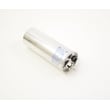
On most central AC condensing units (including the Carrier 38CKC030), the run capacitor is the most common electrical part to fail because it handles frequent starts and heat stress. When it weakens, the condenser fan or compressor may hum, struggle to start, or not run.
What you will usually notice when a capacitor is failing
- Outdoor unit hums but the fan does not spin
- Fan starts slowly, then shuts off
- Breaker trips during startup
- Intermittent cooling (runs sometimes, then will not start)
- Bulged or leaking capacitor (only visible after power is disconnected)
Other common AC parts that fail (and what they do)
These parts also commonly cause no-cool or no-start complaints on outdoor units:
| Part | What it controls | Common symptom when bad |
|---|---|---|
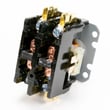
| Contactor | Sends line voltage to compressor and fan | Outdoor unit will not turn on, chattering, burnt contacts |
| Condenser fan motor | Moves air through the outdoor coil | Fan not running, overheating shutdown |
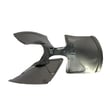
| Fan blade | Airflow across the coil | Vibration, poor airflow, noisy operation |
| Indoor air filter | Protects airflow through the system | Higher bills, icing, reduced cooling |
If you suspect an electrical start problem, we check the capacitor first and then the contactor. For this model’s parts list, a common match is the capactr dual CAP050300440RSP. For wiring, clearances, and safe operation details, use the 38CKC030 owner's manual.
Why it matters
A weak capacitor can cause repeated hard starts and rapid cycling, which overheats components and can shorten compressor life. Good airflow and correct thermostat use reduce stress on the entire system.
Quick checks that prevent repeat failures
- Keep the outdoor unit clear; remove leaves and debris
- Maintain at least 12 inches of clearance around the condenser (grass, shrubs, vines)
- Replace or clean the indoor air filter regularly
- Avoid switching power on and off to control temperature; use the thermostat
- If the unit is near the ocean, wash exposed outdoor surfaces periodically to reduce corrosion
Last updated: February 2026