Error Codes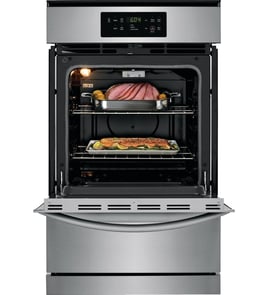


Does GE make good gas ovens?
GE generally makes good gas ovens for everyday cooking, and the GE JGRS14BEW5BB gas wall oven is built around proven basics: a gas bake burner, ignition system, and straightforward controls. Long-term satisfaction usually comes down to proper installation, clean burner/igniter operation, and timely replacement of wear parts.
What “good” means for a gas wall oven
A “good” gas wall oven typically delivers consistent baking temperatures, reliable ignition, and safe, steady burner flames.
Common strengths many owners look for:
- Even baking once fully preheated
- Simple, serviceable design with replaceable parts
- Strong parts availability over time
- Predictable gas ignition and flame stability
- Durable door and trim components
What to check if performance is inconsistent
If baking is uneven, preheat is slow, or the burner struggles to light, the issue is often maintenance-related rather than the brand.
Start with these practical checks:
- Confirm the oven fully preheats before loading food
- Watch for delayed ignition (gas smell before flame) and stop using the oven if that happens
- Inspect the igniter glow and burner ignition consistency
- Keep the oven bottom area clear of heavy spills and debris
- Verify the gas supply is steady and the shutoff valve is fully open
Parts that most often affect “reliability”
When a gas oven acts up, these components are frequent culprits.
| Symptom | Common cause | Example part for this model |
|---|---|---|
| Slow preheat, weak heat | Weak igniter | Igniter WB2X9154 |
| Burner won’t light or is erratic | Gas valve or regulation issue | Range gas control valve WB21K5009 |
| Flame looks wrong after gas work | Regulator issue | Pressure regulator WB19T10079 |
Why it matters
A gas oven that lights quickly and holds temperature cooks more evenly and reduces nuisance issues like underbaking, hot spots, and repeated relighting. Keeping ignition and gas delivery components in good shape is the biggest driver of day-to-day performance.
Last updated: January 2026
How long do GE Profile ovens last?
GE Profile ovens typically last 12 years.
For a GE gas wall oven like model JGRS14BEW5BB, we see a practical lifespan of about 12 to 15 years when the burner igniter, gas valve operation, and door sealing stay in good shape and routine cleaning is kept up.
Typical lifespan and what affects it
Most ovens reach end-of-life because a few high-heat and ignition components wear out, not because the cabinet “wears out.”
Common factors that shorten or extend lifespan:
- Heavy daily use (more heat cycles means faster wear)
- Frequent self-clean use (high heat stresses wiring and insulation)
- Poor baking performance that goes uncorrected (weak ignition, uneven flame)
- Door not sealing well (heat loss makes components run longer)
- Grease buildup around the burner area (can affect ignition and flame quality)
Parts that often determine whether an older oven is worth repairing
If your oven is not heating reliably, these are common repair points on this model family.
| Symptom | Often involved part/system | Example part for this model |
|---|---|---|
| No bake, delayed ignition, gas smell before lighting | Oven burner igniter | Igniter WB2X9154 |
| Weak or inconsistent flame | Gas control and regulation | Range gas control valve WB21K5009 |
| Heat loss, longer preheat times | Door glass and door sealing surfaces | Glass WB36X779 |
Quick checks that help your oven last longer
- Keep the oven bottom area clean so the burner flame is not disrupted.
- If bake takes longer than normal, address ignition issues early (a weak igniter can strain the gas valve).
- Avoid slamming the door; it can affect alignment and sealing.
- If you do electrical testing, use safe meter practices and correct connectors.
Why it matters
A GE Profile oven that is heating slowly or lighting inconsistently can still “work,” but it often runs hotter and longer to compensate. That extra stress can shorten the life of the igniter, wiring, and gas control components.
Last updated: January 2026
How to reset a GE wall oven?
To reset your GE JGRS14BEW5BB gas wall oven, turn the oven’s circuit breaker OFF (or remove the fuse) for about 1 minute, then restore power. This power-cycle reset clears many control glitches and restores normal operation.
Reset steps (safe, standard method)
- Turn the oven OFF at the control (if it responds).
- Switch the dedicated oven circuit breaker to OFF (or remove the fuse).
- Wait 60 seconds.
- Switch the breaker back to ON (or reinstall the fuse).
- Set the clock (if needed) and test Bake.
If the oven still will not heat after a reset
A reset restores power, but it will not fix a failed heating-ignition system or gas delivery issue. On a GE gas wall oven, these checks are the most common next steps:
- Watch for the igniter to glow during Bake; no glow often points to a failed igniter.
- If the igniter glows but the burner does not light, gas flow or burner ignition can be the issue.
- Check for a gas smell; if you smell gas, stop and have the unit checked.
- Inspect wiring connections for heat damage or looseness.
- If the control is dead (no display or response), check the breaker, outlet (if applicable), and wiring.
Common symptoms and what they usually mean
| What you see | What it often indicates | What to do next |
|---|---|---|
| Display is blank | No power to oven | Check breaker, house fuse, wiring |
| Igniter never glows | Failed igniter or wiring issue | Consider replacing igniter WB2X9154 |
| Igniter glows, no flame | Weak igniter, gas valve/regulator issue | Check gas supply; consider service |
| Works after reset, then fails again | Intermittent control or connection issue | Inspect connections; check harness |
Why it matters
Resetting by cutting power is the fastest way to clear a locked-up electronic control. If the problem returns, it usually points to a component issue (often the igniter, wiring, or gas control components) rather than a one-time glitch.
Last updated: January 2026
Why is my GE wall oven not working?
If your GE JGRS14BEW5BB gas wall oven is not working, the most common causes are a tripped breaker or loose power connection, a failed oven igniter, or a wiring/control issue. Start with power checks, then focus on whether the oven is trying to ignite and heat.
Quick checks first (fastest wins)
- Confirm the wall oven has power: reset the circuit breaker fully OFF, then ON.
- Make sure the oven is not in a timed or delayed-start mode (if equipped).
- Verify the gas supply shutoff valve is fully open.
- If the oven light works but it will not heat, the issue is usually in the ignition or gas delivery path.
- If nothing works (no light, no response), focus on power and wiring.
What the symptoms usually mean
| Symptom | Most likely cause | What to check next |
|---|---|---|
| No display, no light, no response | No power or wiring issue | Breaker, junction box connections, harness |
| Oven will not heat, no flame | Weak/failed igniter | Watch for glow, test igniter circuit |
| Smell of gas but no ignition | Igniter not drawing enough current or gas valve issue | Igniter first, then valve/regulator |
| Intermittent heating | Loose connection or failing igniter | Harness connectors, igniter condition |
Parts that commonly fix “won’t heat” on this model
On the JGRS14BEW5BB, a weak igniter is a top cause of a gas oven that will not bake or broil because the burner will not light reliably.
- Igniter WB2X9154
- Range gas control valve WB21K5009
- Pressure regulator WB19T10079
- Range wire harness WB18K5632
Safe troubleshooting steps we recommend
- Turn off power at the breaker before removing panels or touching wiring.
- Remove the oven bottom panel and watch the igniter during a bake cycle (restore power only for the observation).
- If the igniter does not glow, check wiring connections and test the circuit.
- If the igniter glows but the burner does not light within about 60 to 90 seconds, replace the igniter.
- If the igniter is good and the burner still will not light, move to gas valve/regulator checks.
Why it matters
A gas wall oven needs both electricity (controls and igniter) and gas flow (valve and regulator). Pinpointing whether you have a power problem or an ignition problem prevents unnecessary part replacement and gets heat restored faster.
Last updated: January 2026