Installation guide
 Error Codes


Does a side-by-side refrigerator have a freezer?
Yes. A side-by-side refrigerator like KitchenAid model KSSS48QKB01 has a freezer compartment; it is one of the two full-height vertical sections, with the other side used for fresh food. Many side-by-side designs also support in-door ice and water features.
How the compartments are typically arranged
Most side-by-side refrigerators are split into two tall doors:
- Freezer side: shelves and bins for frozen foods; often includes the ice maker area
- Refrigerator side: shelves, crisper drawers, and door bins for fresh food
- Center divider: separates the cold-air paths between compartments
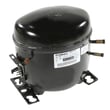
- Shared systems: compressor, condenser fan, and control board manage cooling for both sides
Quick comparison: side-by-side vs other common layouts
| Refrigerator style | Freezer location | What it’s best for |
|---|---|---|
| Side-by-side | Full-height compartment on one side | Easy access to both fresh and frozen items at eye level |
| Top freezer | Full-width compartment on top | Simple layout and typically more freezer space for the price |
| Bottom freezer | Drawer or door on bottom | Fresh food at eye level, freezer items lower |
Why it matters
Knowing that KSSS48QKB01 has a dedicated freezer side helps when troubleshooting cooling issues. For example, frost buildup or warm temperatures on the freezer side can point to airflow or defrost problems, while dispenser issues can point to ice maker or door-switch related components.
Related parts and features you may see on this model
If you’re diagnosing a freezer-side or ice-related issue, these model-compatible parts are commonly involved:
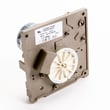
- Ice maker assembly 4317943 for no ice or intermittent ice production
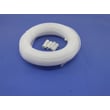
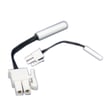
- Refrigerator defrost bi-metal WPW10225581 for frost buildup and poor airflow
- Refrigerator thermistor WP2188820 for temperature sensing and control accuracy
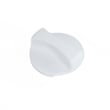
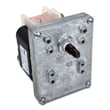
- Refrigerator evaporator fan blade WP2169142 for moving cold air through the compartments
Installation notes that affect freezer performance
Built-in units depend heavily on correct airflow clearances and water line routing for ice makers. Use the installation guide for KSSS48QKB01 to confirm ventilation, leveling, and connection basics.
Last updated: January 2026
Is a side by side or bottom freezer better?
For a KitchenAid built-in refrigerator like model KSSS48QKB01, a side-by-side is better when you want easy access to frozen foods at eye level and narrower door swing clearance; a bottom-freezer is better when you prioritize fresh-food convenience and wider refrigerator shelving. Your “better” choice depends on what you use most.
Quick comparison
| Feature | Side-by-side (like KSSS48QKB01) | Bottom freezer |
|---|---|---|
| Fresh-food access | Good | Best |
| Frozen-food access | Best | Good |
| Door swing space | Typically less (narrower doors) | Typically more (wider fridge door) |
| Freezer organization | Tall, narrow bins; can feel tighter for pizza boxes | Wider drawers; easier for bulky items |
| Ice and water in door | Very common | Common on many models |
How to choose for your kitchen and habits
- Choose side-by-side if you use the freezer daily, want frozen items at mid-height, or have a tighter aisle where narrower doors help.
- Choose bottom freezer if you cook often and want fresh foods (produce, dairy, leftovers) at the most comfortable reach.
- If you store large platters, wide deli trays, or sheet pans, bottom-freezer refrigerators often feel less restrictive in the fresh-food section.
- If you buy lots of frozen boxed foods, bottom-freezer drawers usually fit bulky items more easily.
- If you rely on door ice and water, either style can work; what matters most is keeping the water system maintained.
Why it matters
The “best” layout reduces door-open time and improves day-to-day convenience. That helps temperature stability, food quality, and energy use, especially on a built-in refrigerator that you expect to keep for many years.
Helpful ownership tips (either style)
- Keep freezer vents clear so air can circulate.
- Don’t overpack door bins; it can affect door sealing.
- Replace the water filter on schedule and flush the dispenser after changes.
For model-specific installation clearances and built-in requirements, use the KSSS48QKB01 installation guide. For water-filter maintenance steps that apply to KitchenAid refrigerators, use how to replace the water filter in a KitchenAid refrigerator.
Last updated: January 2026
What is the depth of a side by side refrigerator?
For a KitchenAid side-by-side refrigerator like model KSSS48QKB01, the correct depth to use is the built-in cutout depth listed in the KSSS48QKB01 installation guide. In general, side-by-side refrigerators run about 29 to 35 inches deep overall, while built-in designs are planned to fit a cabinet cutout.
What “depth” means (use the measurement that matches your goal)
Refrigerator depth is published and measured in a few different ways:
- Cutout depth: the cabinet opening depth required for a built-in installation
- Cabinet depth: the refrigerator box depth (not counting handles)
- Overall depth: cabinet plus doors and handles
- Door swing clearance: extra space needed so doors open fully
Typical depth ranges you will see
These ranges help you sanity-check what you measure, but the cutout spec is the deciding number for KSSS48QKB01.
- Standard side-by-side overall depth: about 29 to 35 inches
- Counter-depth overall depth: about 26 to 30 inches
- Built-in planning: based on the cutout depth and required clearances
| Spec label | Includes handles? | Best used for |
|---|---|---|
| Cutout depth | Not applicable | Built-in fit and cabinet planning |
| Cabinet depth | No | Checking box size vs. opening |
| Overall depth | Yes | Preventing the unit from sticking out |
How we recommend measuring at home
- Measure the cabinet opening depth from the back wall to the front edge of the cabinetry.
- Measure the refrigerator from the back panel to the front of the doors, then to the front of the handles.
- Confirm you have space for the water line and power cord behind the unit.
- Verify door swing so doors do not hit walls, islands, or trim.
Why it matters
Using the cutout depth prevents installation surprises, like a built-in refrigerator sitting proud of the cabinetry or doors that cannot open fully.
Last updated: January 2026