Get free shipping on your order, with any water filter subscription. Find my filter

Open Hamburger Menu
Sears Parts Direct
Tips to find your model number
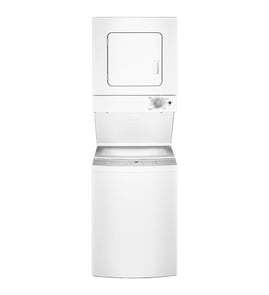
Frigidaire FFLE39C1QW0 stacked laundry center

Frigidaire FFLE39C1QW0 stacked laundry center Parts

Here are the diagrams and repair parts for Frigidaire FFLE39C1QW0 stacked laundry center, as well as links to manuals and error code tables, if available.

By Schematic
By Part
SELECT DIAGRAM
?

This is the number corresponding to the part on the diagram / schematic

Browse Parts for FFLE39C1QW0 Laundry Center

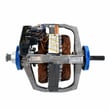
  • Electrolux Dryer Blower Wheel for Frigidaire FFLE39C1QW0 - Part 131476300

    Motor/blower/belt diagram

    Electrolux Dryer Blower Wheel

    In Stock
    $26.90
    18% OFF Phone Price : $32.90Info Icon
    Minus Item
    Qty
    Plus Item
  • Crosley Laundry Center Washer Motor Control Board for Frigidaire FFLE39C1QW0 - Part 808653801

    Lower cabinet/top diagram

    Crosley Laundry Center Washer Motor Control Board

    Part #808653801
    This item is not returnable
    In Stock
    $159.50
    7% OFF Phone Price : $171.50Info Icon
    Minus Item
    Qty
    Plus Item
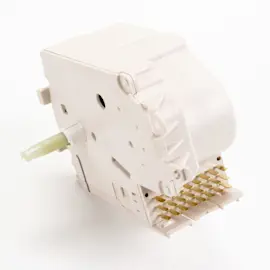
  • Crosley Laundry Center Washer Mode Actuator for Frigidaire FFLE39C1QW0 - Part 5304536495

    Motor/tub diagram

    Crosley Laundry Center Washer Mode Actuator

    Part #5304492254

    Replaced by #5304536495

    Info Icon
    Manufacturer substitution
    This part replaces 5304492254. Substitute parts can look different from the original.
    In Stock
    $72.41
    Minus Item
    Qty
    Plus Item
  • Laundry Center Washer Water-level Sensor for Frigidaire FFLE39C1QW0 - Part 5304504885

    Motor/tub diagram

    Sensor

    Part #5304500461

    Replaced by #5304504885

    Info Icon
    Manufacturer substitution
    This part replaces 5304500461. Substitute parts can look different from the original.
    In Stock
    $46.18
    11% OFF Phone Price : $52.18Info Icon
    Minus Item
    Qty
    Plus Item
  • Crosley Laundry Center Washer User Interface for Frigidaire FFLE39C1QW0 - Part 5304500456

    Control panel diagram

    Crosley Laundry Center Washer User Interface

    Part #5304500456
    This item is not returnable
    In Stock
    $125.23
    19% OFF Was : $154.13Info Icon
    Minus Item
    Qty
    Plus Item
  • Washer Lid Strike for Frigidaire FFLE39C1QW0 - Part 137513712

    Lower cabinet/top diagram

    Washer Lid Strike

    Part #137513710

    Replaced by #137513712

    Info Icon
    Manufacturer substitution
    This part replaces 137513710. Substitute parts can look different from the original.
    In Stock
    $14.42
    12% OFF Phone Price : $16.42Info Icon
    Minus Item
    Qty
    Plus Item
  • Dryer Drum Bearing Bracket for Frigidaire FFLE39C1QW0 - Part 131724301

    Upper cabinet/drum heater diagram

    Dryer Drum Bearing Bracket

    Part #131724300

    Replaced by #131724301

    Info Icon
    Manufacturer substitution
    This part replaces 131724300. Substitute parts can look different from the original.
    In Stock
    $14.14
    12% OFF Phone Price : $16.14Info Icon
    Minus Item
    Qty
    Plus Item
  • Crosley Laundry Center Washer Agitator for Frigidaire FFLE39C1QW0 - Part 808726001

    Motor/tub diagram

    Crosley Laundry Center Washer Agitator

    In Stock
    $88.30
    6% OFF Phone Price : $94.30Info Icon
    Minus Item
    Qty
    Plus Item
  • Washer Door Strike for Frigidaire FFLE39C1QW0 - Part 5303207102

    Upper cabinet/drum heater diagram

    Strike

    Part #5303211430

    Replaced by #5303207102

    Info Icon
    Manufacturer substitution
    This part replaces 5303211430. Substitute parts can look different from the original.
    This item is not returnable
    In Stock
    $19.11
    9% OFF Phone Price : $21.11Info Icon
    Minus Item
    Qty
    Plus Item
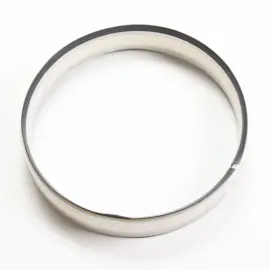
  • Dryer Drum Support Shaft for Frigidaire FFLE39C1QW0 - Part 131777700

    Upper cabinet/drum heater diagram

    Bearing

    Part #137088600

    Replaced by #131777700

    Info Icon
    Manufacturer substitution
    This part replaces 137088600. Substitute parts can look different from the original.
    In Stock
    $63.71
    9% OFF Phone Price : $69.71Info Icon
    Minus Item
    Qty
    Plus Item

Frigidaire Laundry Center FFLE39C1QW0 FAQs

For the Frigidaire FFLE39C1QW0 stacked laundry center, the most common reason clothes stay damp is restricted airflow from the lint screen through the vent to the outdoor hood. Fixing venting issues (crushed duct, long run, clogged hood) usually restores normal drying and prevents overheating.

Quick checks that solve most “not drying” complaints
  • Clean the lint screen before every load; do not run the dryer with a blocked, damaged, or missing screen.
  • Confirm the dryer exhausts outdoors and the outdoor hood damper opens freely.
  • Replace plastic or foil venting with 4-inch rigid or semi-rigid metal duct.
  • Check the vent hose behind the unit for kinks, crushing, or a loose connection.
  • Remove lint buildup at the outdoor exhaust opening and the surrounding area.
Airflow and venting requirements (what this model expects)

Your installation should use a 4-inch (102 mm) metal duct and an approved vent hood with a swing-out damper. Keep at least 12 inches (30.5 cm) of clearance between the vent hood and the ground or other obstructions. Review the venting section in the installation guide.

What you see Likely cause What to do next
Dryer runs, little heat at vent outside Blocked or crushed vent, stuck damper Clear/replace ducting; verify damper movement
Dryer runs, heat is OK, still damp Overloading, poor airflow through lint screen area Reduce load size; clean lint screen and housing
Dryer stops heating mid-cycle Overheating from restricted airflow Correct venting first; then check heat-limit devices
When to suspect a failed heating safety part

If airflow is good and drying is still poor, a heat-limiting device may be opening due to overheating or may have failed. On this model, common heat-related parts include the dryer inlet thermal limiter 137032600 and the dryer thermal limiter 134120900. Always correct airflow problems first so the replacement part does not fail again.

Why it matters

Restricted venting can cause excessive drying times and overheating. Keeping the exhaust path clear improves drying performance, reduces energy use, and helps protect components like the heating element and thermostats.

Last updated: February 2026

A leak from underneath your Frigidaire FFLE39C1QW0 stacked laundry center is usually caused by a loose or damaged fill hose connection, a drain hose problem (kink, clog, or siphoning), or a leak in the drain pump area. Start by tightening hose connections and checking for cracks or rubbing.

Quick checks we recommend first
  • Unplug the laundry center before inspecting underneath.
  • Check and tighten the hot and cold fill hose connections at the faucet and at the washer.
  • Confirm the rubber sealing washers are installed inside the hose couplings.
  • Inspect the drain hose for kinks, splits, or a loose connection at the pump.
  • Look for water tracks or mineral marks to pinpoint the drip path.
Most common causes (and what to do)
What you see Most likely cause What to do next
Drip only during fill Loose fill hose or missing sealing washer Tighten connections; reinstall sealing washers
Leak during drain/spin Drain hose issue or drain pump leak Straighten/clear hose; inspect pump and clamps
Water on floor after cycle Standpipe/installation issue causing siphoning Verify standpipe height and drain hose routing
Installation detail that often gets missed

If the drain hose standpipe is too short, the washer can siphon and overflow at the drain. For this style of unit, the standpipe must be at least 33 inches (84 cm) high to help prevent siphoning. Use the installation guide to confirm the correct drain hose height and routing for FFLE39C1QW0.

When a part is likely involved

If hoses and the standpipe check out, the next most common “underneath” leak point is the drain pump. On this model, the replacement part to look at is the laundry center washer drain pump 5304524452.

Why it matters

Bottom leaks can quickly damage flooring and can also lead to poor draining or slow draining. Fixing the source early helps prevent bigger issues like repeated overflow at the standpipe or water reaching electrical components.

Last updated: February 2026

Frigidaire front load washers are made under the Frigidaire brand, which is part of Electrolux. For your Frigidaire stacked laundry center model FFLE39C1QW0, the manufacturer family is Electrolux, and Frigidaire is the brand name used on the appliance.

What this means for parts and service

When you’re identifying replacement parts or looking up troubleshooting steps, use the exact model number FFLE39C1QW0. That ensures you match the correct Frigidaire and Electrolux-built design.

  • Use the model number on the rating label, not just “Frigidaire”
  • Match parts by symptom (won’t heat, won’t tumble, won’t drain)
  • Confirm whether you’re working on the washer section or dryer section
  • Follow the safety and operating guidance in the owner's manual
Common examples of manufacturer-family parts you might replace

These are typical wear items on a stacked laundry center like FFLE39C1QW0 (availability varies):

Symptom Common part involved Example part on this model page
Dryer won’t tumble Belt or idler Dryer drum belt 137292700
Dryer noisy or scraping Drum bearing or glides Dryer Drum Bearing 131825900
Dryer overheats or shuts down High-limit thermostat or thermal limiter Kelvinator Dryer High-limit Thermostat 3204267
Why it matters

Electrolux ownership matters because it helps explain why Frigidaire parts, wiring layouts, and troubleshooting steps are consistent across many Frigidaire and related-brand laundry products. Using the correct model number keeps you from ordering a similar-looking part that does not fit.

Last updated: February 2026

On the Frigidaire FFLE39C1QW0 stacked laundry center, the “front panel” most people remove is the dryer front access panel (used for venting and quick service access). You remove it by taking out the retaining screws, lifting the panel to release the tabs, then pulling it off; see the installation guide for the exact fastener locations.

Steps to remove the front access panel
  • Unplug the laundry center or switch off power at the breaker.
  • Pull the unit forward enough to work safely and avoid stressing the vent.
  • Remove the retaining screws that secure the front access panel to the cabinet.
  • Lift the panel upward until the tabs disengage from the cabinet.
  • Pull the panel away and set it aside.
  • Reinstall by engaging the tabs first, then lowering the panel and reinstalling the screws.
Washer front panel vs. dryer access panel (what’s different)

This model is a stacked unit; the installation instructions describe removing the dryer front access panel for venting access. “Washer front panel” removal is a deeper cabinet disassembly and is handled differently.

What you want to access Panel typically removed What usually holds it in place
Dryer vent connection Dryer front access panel Screws plus tabs
Washer internal components Washer cabinet/front area Multiple screws and cabinet clips
Safety and handling tips
  • Keep the unit upright; use two people if you need to tip or reposition it.
  • Support the panel as you lift it so tabs do not crack.
  • Do not pull on wiring; if you see harnesses attached, stop and reposition the panel.
Why it matters

Removing the correct panel prevents broken tabs and stripped screws, and it gives you the right access for venting and common dryer service tasks on the FFLE39C1QW0.

Last updated: February 2026
Most common symptoms to help you fix your laundry centers

Choose a symptom to see related laundry center repairs.

Main causes: broken dryer drive belt, weak drive motor, binding drum seals…

Main causes: door not fully shut, bad door switch, faulty push-to-start switch, wiring failure, bad drive motor, blown f…

Main causes: blocked exhaust vent, clogged lint screen, bad timer, moisture sensing problems, weak gas valve coils, bad …

Main causes: broken lid switch or lid lock, faulty drive motor, drain system problem, broken drive system components…

Main causes: bad lid switch or lid lock, drive motor failure, broken motor coupler, bad timer, faulty electronic control…

Main causes: clogged drain system, blocked drain hose, bad drain pump…

Main causes: control system failure, broken heating element, bad gas valve coils, gas supply failure, voltage supply pro…

Main causes: unbalanced load, broken suspension springs or shocks, worn snubber ring…

Main causes: lack of water supply, failed lid switch or lid lock, bad water level pressure switch, control system failur…

Most common repair guides to help fix your laundry centers

These step-by-step repair guides will help you safely fix what’s broken on your laundry center.

How to replace a laundry center washer lid lock switch

How to replace a laundry center washer lid lock switch

If the washer fills but won’t start the agitation cycle, the lid lock switch could be defective. …

Repair time and Difficulty

 15 minutes or less
How to replace a laundry center washer timer

How to replace a laundry center washer timer

If the washer doesn't fill, spin or drain, the timer could be the problem. …

Repair time and Difficulty

 15 minutes or less
How to replace a laundry center washer snubber ring

How to replace a laundry center washer snubber ring

If the washer tub bangs the cabinet during the spin cycle even though the load is balanced, you might need to replace th…

Repair time and Difficulty

 15 minutes or less

Effective articles & videos to help repair your laundry centers

Use the advice and tips in these articles and videos to get the most out of your laundry center.

How to get cleaner clothes: 7 laundry tips for whiter whites and better results

How to get cleaner clothes: 7 laundry tips for whiter whites and better results

Tired of dull laundry? These 7 expert tips help you get cleaner clothes, brighten whites, and fix common washer mistakes…

Are DIY appliance repairs safe?

Are DIY appliance repairs safe?

Find out how to stay safe when repairing your appliances.…

Cleaning your appliances after a drinking water advisory

Cleaning your appliances after a drinking water advisory

Find out how to clean and flush household appliances once a boil water advisory is lifted.…

Parts & More

Air Compressor
Bottom-Mount Refrigerator
Chest Freezer
Coffee Grinder
Dryer
Front-Engine Lawn Tractor
Gas Chainsaw
Gas Range
Generator
Lawn & Garden Engine
Line Trimmer
Microwave
Range Hood
Television
Washer