Owner’s manual

What is the best range hood to buy?
For most kitchens, the best range hood is the one that matches your cooktop output and your installation style (ducted vs. non-ducted). If you already own a Broan QP230BL, you will get the best results by installing it at the correct height (24 to 30 inches above the cooking surface) and keeping filters clean per the QP230BL owner's manual.
What to look for when buying a range hood
- Ventilation power (CFM): Match airflow to how you cook (light simmering vs. frequent searing or wok cooking).
- Ducted vs. recirculating: Ducted vents outside for best odor and smoke removal; recirculating uses charcoal-style filters and returns air to the kitchen.
- Filter type: Mesh filters are common and washable; baffle filters are durable and easy to clean.
- Noise level (sones): Higher airflow usually means more sound; larger ducts and smoother duct runs help reduce noise.
- Heat protection features: Some hoods automatically increase fan speed when temperatures rise.
Quick comparison: which hood style fits your kitchen?
| Kitchen situation | Best hood type | Why it matters |
|---|---|---|
| Heavy frying, frequent high-heat cooking | Ducted, higher CFM | Removes smoke and grease more effectively |
| Limited ability to run ductwork | Non-ducted (recirculating) | Easier install; relies on filter changes |
| You want the quietest operation | Ducted with efficient ducting | Less restriction reduces noise |
| You cook mostly on rear burners | Any properly sized hood | Rear burners typically capture best |
Tips to get “best performance” from the hood you choose
- Install the hood 24 to 30 inches above the cooktop for best capture.
- Keep grease filters clean; clogged filters reduce airflow and increase noise.
- If using non-ducted mode, replace recirculation filters on schedule (commonly about every 6 months).
- Use the rear burners when possible for better capture.
- If the fan shuts off and restarts during cooking, let it cool; the motor thermal overload is protecting the unit.
Why it matters
A range hood is only “the best” if it actually captures smoke, grease, and odors in your real cooking conditions. Correct mounting height, proper ducting, and routine filter maintenance often make a bigger difference than brand name alone.
Last updated: February 2026
What are the disadvantages of recirculating hoods?
Recirculating (ductless) setups on the Broan QP230BL range hood are convenient when you cannot vent outdoors, but they remove less heat and moisture than ducted venting and depend on regular filter maintenance to control odors and grease.
Main disadvantages to expect
- Weaker odor and smoke removal: Air is filtered and returned to the kitchen, so strong cooking odors can linger longer.
- Less heat and humidity reduction: Ductless hoods do not exhaust hot, humid air outside.
- More maintenance: Grease filters need frequent cleaning; the non-ducted recirculation filter needs scheduled replacement.
- Performance drops as filters load up: Clogged filters restrict airflow and reduce capture.
- Grease can build up faster in the kitchen: More airborne grease can settle on cabinets and nearby surfaces.
Filter maintenance (QP230BL)
For non-ducted installation, this hood uses aluminum mesh grease filters plus add-on non-ducted filters. Our key maintenance points:
| Item | What it does | Typical service interval |
|---|---|---|
| Grease filter (metal mesh) | Captures grease | Clean frequently (dishwasher safe) |
| Non-ducted recirculation filter | Helps reduce odors in recirculating mode | Replace every 6 months (more often with heavy frying) |
For the exact filter type and installation details for your configuration, use the QP230BL owner's manual.
Why it matters
A recirculating hood can still protect your kitchen, but only when airflow is strong and filters are maintained. If you cook with high heat, frequent frying, or strong spices, ducted venting typically delivers noticeably better comfort and odor control.
If performance seems poor
- Clean the grease filters and confirm they are seated correctly.
- Replace the non-ducted recirculation filter if it is due.
- Verify the hood height is within the recommended range (most installs perform best around 24 to 30 inches above the cooktop).
- Use rear burners when possible for best capture.
- If the fan is acting up (won’t run, runs intermittently, or changes speed unexpectedly), follow our troubleshooting steps in range hood fan doesn't work.
Last updated: February 2026
How to find Broan range hood model number?
On a Broan range hood, the model number is printed on the hood’s specification label. For model QP230BL, we recommend checking the label on the hood itself (typically on an inside side wall or underside area) and matching the full model number exactly when ordering parts.
Where to look on the hood
Check these common label locations first:
- Under the hood canopy, near the left or right interior side wall
- Behind or near the grease filter area (look for a printed rating/spec label)
- Near the wiring compartment cover (label is often close by)
- On the top interior surface of the hood body (visible after removing filters)
What to write down (so parts match)
When you find the label, record the details exactly as shown:
- Model number (example: QP230BL)
- Series name (often shown as QP2 series)
- Part identification (helpful for service and ordering)
| Label item | Why it matters |
|---|---|
| Model number | Ensures the parts diagram and parts list match your hood |
| Part identification | Helps confirm the correct version of a component |
| Electrical ratings | Helps when diagnosing fan, lights, or control issues |
Why it matters
Broan hoods can look similar across sizes and series, but internal parts like the electronic control board, heat sensor, and motor kit can vary by model and revision. Using the exact model number from the label prevents ordering the wrong replacement.
Helpful next step
Once you have the model number, use the parts list in the QP230BL owner's manual to identify the correct component names and numbers before you order.
Last updated: February 2026
How to change the bulb in a Broan range hood?
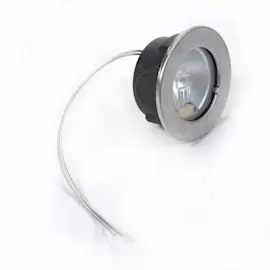
On the Broan QP230BL range hood, let the bulbs cool, then use the suction cup tool to remove the MR16 halogen bulb (GU10 base) by pushing it into the socket and twisting counterclockwise; install the new bulb by pushing in and twisting clockwise until seated. See the QP230BL owner's manual.
What you need
- Replacement bulb: 120V, 50W, shielded halogen, MR16 with GU10 base
- A stable step stool
- A soft cloth or gloves (keeps oils off the bulb)
- Optional: range hood light bulb suction cup tool 99526707
Step-by-step: replace the light bulb
- Turn the hood lights off and allow the bulbs to cool completely.
- If your hood has a bottom pan or filters blocking access, remove them as shown in the QP230BL owner's manual.
- Attach the suction cup tool to the face of the bulb.
- Push the bulb up toward the hood and rotate counterclockwise to unlock it.
- Pull the bulb straight out.
- Align the bulb pins with the larger openings in the socket, push in, then rotate clockwise until firmly seated.
If the bulb is hard to remove or sits too low
This model has an adjustable bulb socket depth. Adjusting the lamp socket bracket helps when certain bulb brands are tight in the socket or when the bulb protrudes below the light panel.
| Symptom | What to do | Why it helps |
|---|---|---|
| Bulb won’t twist out | Use the suction cup and push in firmly before turning | Relieves tension on the GU10 locking tabs |
| Bulb sticks out below panel | Adjust socket depth at the lamp socket bracket | Improves fit and appearance |
| New bulb won’t seat | Re-align pins with the large openings, then twist | Prevents cross-locking |
Why it matters
Using the correct shielded MR16 GU10 bulb and seating it fully prevents flickering, overheating at the socket, and intermittent lighting during cooking.
Last updated: February 2026
What are the parts of a range hood called?
On the Broan QP230BL range hood, the main parts are the hood canopy (housing), blower and motor (fan system), controls, lights, and filters. Depending on whether it is ducted or non-ducted, it also uses duct connections or recirculation filters to move and clean air.
Common range hood parts (what they do)
- Hood canopy (body): captures smoke, steam, and grease above the cooktop
- Blower wheel and motor: pulls air through the hood and pushes it out (ducted) or back into the kitchen (non-ducted)
- Electronic control board or switches: runs fan speeds and lights
- Heat sensor (Heat Sentry system): monitors high temperatures and can automatically increase fan speed
- Lights and light covers/lenses: illuminate the cooking surface
- Grease filters (aluminum/metal): trap grease before it reaches the blower and ductwork
- Duct connector and damper (ducted setups): connects to ductwork and helps prevent backdrafts
Parts you can replace on QP230BL
| Part name | What it affects | Common symptom when it fails |
|---|---|---|
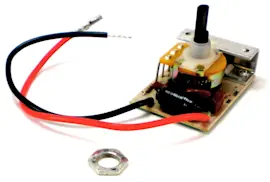
| Range hood electronic control board 97018254 | Fan and light operation | Buttons do not respond, fan/lights will not run |
| Range hood heat sensor S97018252 | Automatic high-heat fan control | Fan changes speed unexpectedly during cooking |
| Range hood blower wheel assembly S97018220 | Air movement and noise | Weak airflow, rattling, vibration |
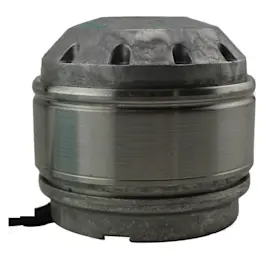
| Motor kit S97018719 | Fan power | Fan hums, runs slow, or will not start |
Why it matters
Knowing the correct part names helps you match symptoms to the right repair. For example, if the fan speed changes on its own during high heat, that can be normal Heat Sentry operation; if the hood will not power on at all, the control board fuse or wiring is a more likely starting point.
Quick maintenance tips that prevent problems
- Clean grease filters frequently with warm detergent (many metal filters are dishwasher safe)
- Keep the blower area free of heavy grease buildup
- If ducted, make sure the damper opens and closes freely
- Use the wiring and fuse guidance in the QP230BL owner's manual when diagnosing power issues
Last updated: February 2026
Is Broan a good brand for range hoods?
Yes. Broan is a solid, reliable range hood brand, and the Broan QP230BL is built around practical features like straightforward controls, serviceable parts, and safety functions designed for everyday cooking ventilation.
What “good” looks like for a range hood
A good range hood clears smoke and odors consistently, stays reasonably quiet at normal speeds, and is easy to maintain. Broan hoods typically deliver strong value because they focus on core performance and serviceability.
Common strengths we see with Broan range hoods:
- Widely available replacement parts (controls, motors, blower wheels)
- Simple maintenance (washable grease filters)
- Practical safety features (heat-activated fan behavior on some models)
- Straightforward cleaning routines for stainless finishes
Model-specific features that support reliability (QP230BL)
The QP2 Series manual describes a Heat Sentry style function that can automatically run the fan at high speed when temperatures rise above normal, then reduce speed and shut off after temperatures stabilize. That kind of protection helps manage heat events during cooking.
The manual also notes the control board includes a protective fuse; if it blows, fan and light indicators may not operate properly and the fan and lights may not turn on. That is a common, service-friendly design.
| What you care about | What to check on QP230BL | Why it matters |
|---|---|---|
| Ventilation performance | Clean filters, clear ducting (if ducted) | Airflow drops fast when grease builds up |
| Control reliability | Control board fuse and connections | Power surges can disable controls |
| Noise | Blower wheel condition and motor bearings | Worn parts often cause rattling or humming |
When a “good brand” still needs a repair
Even reliable hoods wear over time, especially with heavy frying or high-heat cooking. These are common, fixable issues:
- Fan or lights do not respond (often power, fuse, or control related)
- Fan runs by itself (can be heat-sensing behavior or a control issue)
- Noisy operation (blower wheel imbalance or motor wear)
Helpful resources and parts for QP230BL:
- QP230BL owner's manual
- How to replace a range hood electronic control board
- Range hood fan turns on by itself
- Range hood electronic control board 97018254
Why it matters
Brand quality shows up most in long-term ownership: how easy it is to keep airflow strong, how predictable the controls are, and whether parts like a motor kit or control board are available when you need them.
Last updated: February 2026
Why is the fan not working on my Broan range hood?
On the Broan QP230BL range hood, a non-working fan is usually caused by a power issue, a blown control-board fuse, or a failed motor or blower wheel. Start by confirming the hood has power, then check the control indicators and internal fuse, and finally inspect the blower for binding.
Quick checks (fastest wins first)
- Verify the circuit breaker is on and any wall switch feeding the hood is on.
- If the hood has lights but the fan will not run, suspect a fan control issue or motor problem.
- If both fan and lights are dead, suspect loss of power or a blown fuse on the control board.
- Remove and clean grease filters; heavy grease buildup can restrict airflow and make the fan seem weak.
- Listen for symptoms:
- Hums but won’t spin: blower wheel jammed or motor failing.
- No sound, no indicators: power supply or control-board fuse.
Control board fuse and indicators
This model’s control board uses a protective fuse. When that fuse opens, the fan and lights typically will not operate correctly when buttons are pressed.
What to do (qualified person steps):
- Disconnect power at the service entrance.
- Remove filters and the bottom pan.
- Inspect the fuse on the control board and replace it if blown (match the fuse type and rating listed in the QP230BL owner’s manual).
| What you see | Most likely cause | What to check next |
|---|---|---|
| Fan and lights both don’t work | No power or blown control-board fuse | Breaker, wiring, fuse on control board |
| Lights work, fan doesn’t | Fan control, motor, or blower wheel issue | Wheel spins freely, motor operation |
| Fan runs but airflow is weak | Dirty filters or airflow restriction | Filters, ducting, damper |
Motor and blower wheel problems
If the blower wheel is stuck or wobbling, the fan may not start or may be noisy. If the motor bearings are loud or unusual, replacement is the fix (these motors are permanently lubricated).
Helpful model-matched parts to consider:
- Motor kit S97018719 (fan motor replacement)
- Range hood blower wheel assembly S97018220 (damaged or binding wheel)
- Range hood electronic control board 97018254 (button/control failures)
Why it matters
A working range hood fan removes smoke, grease, and heat. When airflow drops or the fan quits, grease can build up faster on filters and inside the hood, and cooking odors linger longer.
Related DIY help: range hood fan doesn’t work
Last updated: February 2026
How many sones is a quiet range hood?
A “quiet” range hood is typically 1 to 4 sones; 4 to 6 sones is moderate and more noticeable. For your Broan QP230BL, use sones as a shopping and expectation guide, then confirm operating and installation details in the QP230BL owner's manual.
Quick sone guide (what you will hear)
- 1 to 2 sones: very quiet, low background sound
- 3 to 4 sones: quiet, clearly running but not distracting
- 4 to 6 sones: moderate, noticeable during cooking
- 6+ sones: loud, typically used for heavy smoke or high heat
| Sones | Noise level | Typical use |
|---|---|---|
| 1 to 4 | Quiet | Everyday cooking, light smoke/steam |
| 4 to 6 | Moderate | Most cooking, occasional higher heat |
| 6+ | Loud | Searing, frying, heavy smoke |
What affects how “quiet” your QP230BL feels
Even with the same sone rating, real-world sound changes based on airflow and installation.
- Ducting layout: short, smooth duct runs are quieter than long runs with multiple elbows
- Restrictions: a tight damper, small duct, or clogged cap increases turbulence noise
- Mounting height: the QP230BL is designed to be installed 24 to 30 inches above the cooking surface for best capture; higher installations can reduce capture and change perceived noise
- Filter condition: greasy filters reduce airflow and can make the blower sound harsher
- Automatic heat response: the hood can increase fan speed when temperatures rise, which increases sound
Why it matters
Sones help you pick a hood you will actually use. A quieter hood tends to run longer during cooking, improving grease and odor capture and helping keep cabinets and walls cleaner.
Last updated: February 2026
How many cfm for a range hood do I really need?
Most kitchens do best with 250 to 600 CFM, sized to your cooktop output and how you cook. For a Broan QP230BL range hood, choose a CFM level that matches your stove and then follow the installation and operating guidance in the QP230BL owner's manual so the hood captures smoke and grease effectively.
Quick ways to size CFM
Use the method that matches your cooking setup:
- Gas ranges: size about 1 CFM per 100 BTU/hr of total burner output.
- Electric or induction: size about 100 CFM per linear foot of cooktop width.
- Island setups: size about 150 CFM per linear foot (more open air to capture).
- Heavy cooking (searing, wok, frequent frying): move up to the next CFM tier.
- Very high CFM systems: plan for makeup air when required by local code.
Example targets
| Cooking setup | Simple estimate | Target CFM |
|---|---|---|
| 30-inch electric/induction | 2.5 ft x 100 | ~250 |
| 30-inch gas, 50,000 BTU total | 50,000/100 | ~500 |
| 36-inch gas, 60,000 BTU total | 60,000/100 | ~600 |
| 36-inch island electric | 3 ft x 150 | ~450 |
What changes real-world performance
CFM on paper is only part of the result. These items decide how well a hood actually clears the air:
- Mounting height and placement over the cooking surface (use the manual’s installation guidance)
- Ducting quality: smooth duct, correct size, short run, minimal elbows
- Clean grease filters: clogged filters reduce airflow and increase noise
- Cooking on rear burners when possible for better capture
- Heat management features: the QP230BL includes a Heat Sentry system that can increase fan speed when temperatures rise
Why it matters
Right-sizing CFM helps remove smoke, grease, and odors without excessive noise, and it reduces heat buildup that can trigger protective controls.
Last updated: February 2026