
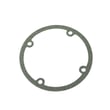
What is the most common problem of a water pump?
The most common water pump problem is loss of flow or pressure, usually caused by an air leak on the suction side, a clogged intake/impeller, or a restriction in the suction line. On a Craftsman water pump model 390251000, leaks and unusual noise are also frequent symptoms that point to the same root causes.
- Air leak on suction side: pump won’t prime, spurts air, pressure fluctuates.
- Clogged intake or impeller: low flow, weak pressure, pump runs but moves little water.
- Worn seal or gasket leak: water dripping at the pump housing or shaft area.
- Cavitation (often from restriction or too much lift): gravelly or rattling sound, vibration, reduced output.
- Misalignment or bearing wear: squeal, grinding, overheating, vibration.
- Confirm prime: fill the pump casing with water (if your setup requires priming) and recheck performance.
- Inspect suction plumbing: tighten clamps, check fittings, and look for cracked hose or pipe.
- Check for restrictions: clean the strainer or foot valve; clear debris from the intake.
- Listen to the sound: rattling or “marbles” noise usually means cavitation or restriction.
- Verify power and wiring (for electric pumps): check for a blown fuse or loose connection.
| Symptom | Most likely cause | What to do next |
|---|---|---|
| Won’t prime | Air leak, bad foot valve | Reseal suction fittings; inspect foot valve |
| Low pressure | Clog, worn impeller, restriction | Clean intake; inspect impeller area |
| Water leaking | Seal or gasket wear | Identify leak point; plan seal/gasket service |
| Loud rattling | Cavitation, suction restriction | Reduce lift; clear restriction; check suction size |
Running a pump with air leaks, cavitation, or a clogged intake can quickly damage seals, bearings, and the impeller. Catching the cause early protects your Craftsman pump and restores steady water pressure.
For safe electrical troubleshooting steps, use our how to use a multimeter to test electrical parts video.
Last updated: February 2026
Can you repair a water pump?
In most cases, we repair a Craftsman water pump like model 390251000 by replacing the failed part or the entire pump assembly, not by rebuilding internal components. Many pumps are effectively sealed units; once the seal, impeller, or motor fails, replacement is the reliable fix.
A “repair” is usually practical only when the problem is external to the pump body.
- Good repair candidates: loose fittings, leaking suction/discharge connections, worn hose clamps, damaged power cord, tripped breaker, clogged inlet screen (if equipped)
- Usually replacement: leaking shaft seal, noisy bearings, cracked housing, seized motor, damaged impeller inside the volute
- If the pump ran dry: expect seal damage; replacement is typically the correct path
Before you decide to replace the pump, we use these checks to confirm the failure:
- Verify power at the outlet and that the breaker or GFCI is not tripped
- Confirm the pump is primed (air leaks on the suction side prevent pumping)
- Inspect suction line for cracks, loose fittings, or a missing/flattened O-ring
- Check for debris blocking the inlet or impeller area (if accessible)
- Listen for motor hum with no flow (often points to a jammed impeller or failed start components)
| Symptom | Most common cause | Typical fix |
|---|---|---|
| Runs but no water moves | Not primed, suction air leak, clogged suction | Prime, reseal fittings, clear blockage |
| Leaks from pump body/shaft area | Seal or housing failure | Replace pump or seal kit (if available) |
| Loud grinding/squeal | Bearing failure | Replace pump/motor assembly |
| Trips breaker | Shorted motor, seized pump | Replace pump; check wiring |
A water pump that leaks, runs dry, or overheats can quickly damage seals and bearings. Replacing the pump (or the correct external components) restores flow and protects your plumbing and electrical circuit.
For help identifying the exact model number and matching the right replacement, use how to find your appliance model number (and what it means for parts).
Last updated: February 2026
What are the 7 major parts of a water pump?
For a Craftsman water pump like model 390251000, the 7 major parts are the impeller, shaft, casing (pump housing), seal, bearings, coupling/drive connection, and the suction and discharge ports (the inlet and outlet where water enters and leaves).
- Impeller: Spins to move water through the pump.
- Shaft: Connects the motor/engine drive to the impeller.
- Casing (pump housing): Holds internal components and directs water flow.
- Seal (mechanical seal or packing): Keeps water from leaking along the shaft.
- Bearings: Support the shaft so it spins smoothly and stays aligned.
- Coupling/drive connection: Transfers power from the motor/engine to the shaft.
- Suction and discharge ports: The inlet (suction) pulls water in; the outlet (discharge) pushes water out.
| Part | Primary job | Common symptom when it fails |
|---|---|---|
| Impeller | Creates flow/pressure | Low flow, poor pressure |
| Seal | Prevents leaks at shaft | Water dripping near shaft area |
| Bearings | Support shaft rotation | Grinding noise, wobble |
| Casing | Directs flow, contains water | External leaks, cracks |
Knowing these parts helps you troubleshoot faster. For example, low pressure often points to the impeller or suction-side issues, while leaks often point to the seal, casing, or fittings.
- Confirm the pump is primed (many water pumps will not move water if air is trapped).
- Check the suction line for air leaks, loose clamps, or a cracked hose.
- Inspect the strainer/foot valve (if used) for debris.
- Listen for bearing noise (growling or squealing) during operation.
- If the pump runs but flow is weak, inspect for a worn or clogged impeller.
For general DIY repair readiness and safe work habits, use our guide: are diy appliance repairs safe.
Last updated: February 2026
What parts are needed to replace a water pump?
For a Craftsman water pump model 390251000, the parts you typically need depend on whether you’re replacing the entire pump assembly or repairing a leak or performance issue. In most cases, a complete pump replacement is the fastest, most reliable fix; for repairs, seals and gaskets are the usual wear items.
- Full replacement (most common): complete water pump (pump housing and internal components)
- Leak at the shaft: mechanical seal (shaft seal) and possibly the impeller
- Leak at the housing: housing gasket or O-ring
- Low pressure or no prime: impeller and diffuser (if used on your pump design)
- Motor runs but won’t move water: capacitor (on some motor designs) or internal pump components
- Confirm whether your pump is shallow well, deep well, or transfer/utility style
- Match inlet/outlet port size (common sizes are 1 in. or 1-1/4 in.)
- Verify voltage (often 115V or 230V) and motor frame style
- Inspect for cracks in the pump housing (cracks usually mean full pump replacement)
- Note whether the leak is from the seal plate/shaft area or a housing seam
| Symptom | Most likely parts | Typical outcome |
|---|---|---|
| Water dripping from motor/pump junction | Mechanical seal, seal plate gasket | Stops shaft-area leaks |
| Water leaking from pump body seam | Housing gasket or O-ring | Restores housing seal |
| Weak flow/pressure | Impeller, diffuser | Improves pumping performance |
| Won’t prime | Impeller/diffuser, fittings/pipe sealant | Restores prime and flow |
Using the right repair parts prevents repeat leaks, protects the motor from water damage, and restores proper pressure and prime. For many pumps, replacing a worn seal early avoids a bigger failure later.
If you’re not 100% sure you have the correct model number before selecting parts, use how to find your appliance model number (and what it means for parts) to confirm the ID on the pump’s label.
Last updated: February 2026