Error Codes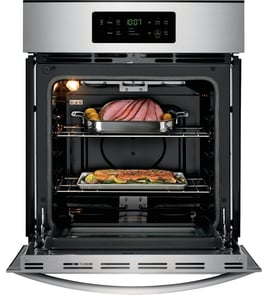



Do wall ovens have to be electric?
No. Wall ovens do not have to be electric; gas wall ovens exist, but electric models are far more common. Your Fisher & Paykel OD302M is an electric wall oven, so it requires a properly sized electrical circuit and compatible wiring for safe, consistent baking performance.
Electric vs. gas wall ovens: what’s different
Most homeowners choose electric wall ovens for even heating and simpler installation in many kitchens. Gas wall ovens are less common and typically require a gas supply line plus electrical power for controls and ignition.
- Electric wall oven: heats with bake and broil elements; typically 240V
- Gas wall oven: heats with a gas burner; usually needs a gas line and standard power for controls
- Dual fuel setups: more common with ranges than wall ovens
- Availability: electric models and parts support are generally easier to find
What this means for the OD302M
Because the OD302M is an electric wall oven, focus on electrical compatibility first. If you are replacing an older unit or switching from gas to electric, plan for circuit capacity, wire gauge, and junction box condition.
Quick compatibility checklist
- Confirm you have a dedicated oven circuit (commonly 240V for electric wall ovens)
- Verify the breaker size matches the oven’s electrical requirements
- Inspect the junction box for heat damage or loose connections
- Make sure the cabinet cutout and ventilation clearances match your installation
- If the oven is not heating, test power at the terminal block before replacing components
Troubleshooting tip: “dead” oven vs. “no heat”
| Symptom | Most common cause | What to check first |
|---|---|---|
| Display is off, no lights | No power supply | Breaker, junction box connections |
| Display works, no heat | Heating circuit issue | Elements, thermal fuse, wiring |
| Trips breaker | Short or wiring fault | Harness, terminal block, element shorts |
Why it matters
Choosing the correct fuel type affects installation cost, safety, and performance. Electric wall ovens like the OD302M depend on stable voltage and solid wiring connections; small electrical issues can cause weak heating, error codes, or breaker trips.
For model-specific replacement parts and diagrams, start with the OD302M parts list, or search by model number on Sears PartsDirect.
Last updated: February 2026
What is the self-clean function on a Fisher and Paykel oven?
On the Fisher & Paykel OD302M wall oven, the self-clean function uses very high heat to burn off baked-on grease and food spills, turning them into a light ash you wipe out after the cycle ends. It is designed to reduce scrubbing, not eliminate wipe-down.
How self-clean works (what you should expect)
- The oven locks the door during the cycle for safety.
- Temperatures run much hotter than normal baking or broiling.
- Smoke or a slight odor is normal if there is heavy residue.
- After cooling, leftover residue is typically a fine ash.
- You finish by wiping the cavity with a damp cloth.
Before you start: quick prep checklist
- Remove racks, trays, and any cookware (unless your specific rack is labeled as self-clean safe).
- Wipe up loose crumbs and heavy spills first to reduce smoke.
- Wipe the inside of the oven door and around the gasket area gently.
- Run the kitchen vent hood and crack a window for ventilation.
- Keep pets out of the kitchen during the cycle and cooldown.
What to clean after the cycle (and what not to)
| Area | What to do after self-clean | What to avoid |
|---|---|---|
| Oven cavity | Wipe out ash with a damp cloth | Abrasive pads that can scratch enamel |
| Oven door glass | Wipe with a non-scratch cloth | Razor scraping unless approved for glass |
| Door gasket | Light wipe only if needed | Soaking, scrubbing, or pulling it loose |
| Control panel | Wipe when cool | Spraying cleaner directly into controls |
Why it matters
Using self-clean correctly helps protect key wall oven parts like the door lock assembly, temperature sensor, and electronic control by preventing excessive smoke, overheating from heavy buildup, and residue that can interfere with door sealing.
Parts and help for your model
For replacement parts and diagrams for the Fisher & Paykel OD302M electric wall oven, start with the parts list for this model; you can also search by model number on Sears PartsDirect.
Last updated: February 2026
What are common Fisher & Paykel oven problems?
Common problems we see with the Fisher & Paykel OD302M electric wall oven include no heat or uneven baking, a display or keypad that will not respond, and temperature that runs too hot or too cool. The most frequent root causes are a failed electronic control board, a bad thermostat or temperature sensor circuit, or a wiring issue.
Most common symptoms (and what they usually point to)
- Oven will not heat (bake or broil): failed control board, failed heating element, open thermal fuse, or broken wire
- Heats but cooks unevenly: weak bake element, convection fan issue (if equipped), or temperature sensor drift
- Temperature is inaccurate: temperature sensor/thermostat problem, calibration setting issue, or control board fault
- Display works but buttons do nothing: stuck key, failed touch panel, or control board problem
- Trips breaker or blows fuse: shorted element, pinched wire, or moisture/grease contamination at terminals
Quick checks we recommend before replacing parts
- Confirm power is correct: most wall ovens need a solid 240 VAC supply; a partial power loss can leave lights on but no heat.
- Try a control reset: turn the breaker off for 2 to 5 minutes, then restore power and retest.
- Look for obvious wiring damage: inspect for burnt terminals, loose spade connectors, or melted insulation.
- Test heating circuits with a meter: check elements and safety devices for continuity.
For safe testing techniques and tool basics, use our how to use a multimeter to test electrical parts video.
What to test first (simple priority table)
| Symptom | First thing to check | Next most likely |
|---|---|---|
| No heat at all | Incoming power at terminal block | Thermal fuse, control board |
| Bake works, broil does not | Broil element continuity | Control relay on board |
| Broil works, bake does not | Bake element continuity | Wiring to element |
| Temps off by 25 to 50°F | Sensor resistance (cold) | Control calibration/board |
| Breaker trips when heating starts | Element to ground short | Pinched/burnt wiring |
Why it matters
Wall ovens run high current through heating elements and control relays. A weak element or failing control can cause long preheat times, poor baking results, and repeated breaker trips that can damage wiring connections over time.
Getting the right replacement part
We match parts by the full model number. Use the OD302M model parts list for your oven first; if you are searching more broadly by model number or category, use Sears PartsDirect.
Last updated: February 2026
How do I clean my Fisher and Paykel oven?
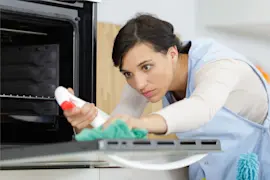
For your Fisher & Paykel OD302M electric wall oven, we recommend routine wipe-down cleaning after the oven cools, plus periodic deep cleaning with a non-abrasive oven cleaner used exactly as directed. Focus on the oven cavity, racks, door glass, and exterior surfaces to prevent smoke and baked-on buildup.
Before you start (safe prep)
- Turn the oven off and let it cool completely.
- Remove oven racks and any pans or accessories.
- Ventilate the kitchen (use the hood fan or open a window).
- Protect nearby surfaces; many cleaners can discolor trim or countertops.
- Keep liquids out of vents, control areas, and around wiring.
Cleaning steps (routine and deep clean)
- Routine (after cooking): Wipe the cavity with a damp cloth and mild dish soap; dry with a soft towel.
- Deep clean (as needed): Apply an oven cleaner that is labeled safe for your oven’s interior finish; follow the label dwell time, then wipe and rinse until no residue remains.
- Racks: Clean separately in warm, soapy water; use a nylon scrub pad for stuck-on soil.
- Door glass: Use a non-scratch cleaner and a soft cloth; avoid abrasive pads.
- Stainless exterior (if applicable): Clean with a stainless-safe product and wipe with the grain; see how to clean stainless steel appliances video.
What to avoid (to prevent damage)
| Avoid | Why it matters |
|---|---|
| Abrasive pads, pumice stones, or metal scrapers on enamel or glass | Can scratch and permanently dull surfaces |
| Spraying cleaner into vents or around controls | Can cause odors, corrosion, or electrical problems |
| Leaving cleaner residue behind | Can smoke and smell during the next bake cycle |
| Using chlorine bleach inside the oven | Can damage finishes and create strong fumes |
Why it matters
Grease and cleaner residue are the top causes of smoke, odors, and staining during baking or broiling. Regular cleaning keeps heat circulation consistent and helps protect the door seal and interior finish.
Parts and help
If you need replacement racks, a door gasket, or other OD302M wall oven parts, use the model parts list first; you can also search by model number on Sears PartsDirect.
Last updated: February 2026