View engine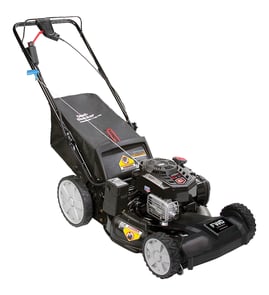


Are gas lawn mowers being phased out?
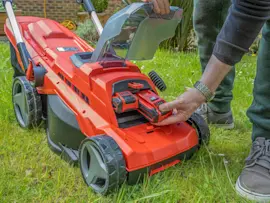
Gas walk-behind mowers like the Craftsman 917276521 are not being phased out everywhere at once; the shift is happening gradually as some states and cities restrict new gas-powered outdoor equipment sales, while many areas still allow gas mowers to be sold, repaired, and used for years.
Most policies target new sales of certain gas-powered equipment, not ownership. In practical terms, that means:
- You can typically keep using your existing gas mower.
- Repairs and replacement parts remain available for a long time.
- Electric models are becoming more common for residential mowing.
- Commercial and heavy-duty use often stays gas longer.
- Local rules can differ by state, county, or city.
Good maintenance is what keeps a rotary lawn mower reliable and easier to start season after season.
- Use fresh fuel and avoid long-term storage with untreated gas.
- Clean grass buildup under the deck after mowing.
- Keep the blade sharp and balanced.
- Inspect drive components if the mower is self-propelled and starts slipping.
- Replace worn wear-items (cables, belts, wheels) before they fail.
A helpful seasonal checklist is how to winterize a lawn mower.
If you are maintaining a Craftsman 917276521, these are examples of parts that commonly wear or get damaged during normal use:
| Maintenance need | Example part for this model | What it affects |
|---|---|---|
| Better cutting and mulching | Husqvarna lawn mower 21-in deck 3-in-1 blade 532189028 | Cut quality, engine load |
| Self-propel drive issues | Lawn mower ground drive belt, 3/8 x 32-1/2-in 532175436 | Forward drive, traction |
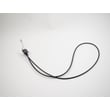
| Drive engagement problems | Lawn mower drive control cable 532194653 | Drive control response |
If your area tightens rules on new gas mower sales, keeping your current mower in good shape protects your investment and avoids downtime. Routine blade care, fuel management, and drive-system upkeep usually make the biggest difference.
Last updated: January 2026
How much does it cost to replace a lawn mower engine?
Replacing the engine on a Craftsman walk-behind mower model 917276521 typically costs more than most other repairs because you are paying for a complete engine plus labor. In many cases, the total ends up close to the price of a new mower, especially if additional drive or blade parts are worn.
Costs vary by engine brand, horsepower, and whether the crankshaft size matches your existing blade adapter and pulley setup.
- Engine only (part): commonly a few hundred dollars
- Labor: often 1 to 2 hours at local shop rates
- Extra parts (sometimes needed): blade adapter, belts, cables, hardware
- Total installed: commonly lands in the mid-hundreds and can go higher
| Scenario | What you pay for | When it makes sense |
|---|---|---|
| Engine swap only | Engine + basic install | Deck and self-propel system are in good shape |
| Engine swap + drive repairs | Engine + belt/cable/gear work | Mower will not move or drive is slipping |
| Replace mower | New mower | Deck is rusted, wheels/drive are worn, or multiple systems need work |
An engine replacement goes smoother when the rest of the mower is worth saving.
- Deck condition (cracks, heavy rust, bent blade area)
- Self-propel performance (slipping, grinding, or no movement)
- Blade mount condition; a worn adapter can cause vibration
- Control cables and handle controls for safe shutoff
- Wheel and axle wear (wobble, seized wheels)
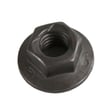
If you are also replacing wear items, consider starting with the blade-side hardware such as the lawn mower blade adapter 532421176 and the cutting blade.
A new engine can restore starting power and performance, but it will not fix a worn drive system, bent crank symptoms, or vibration caused by blade and adapter wear. Pricing the full job up front helps avoid spending new-mower money on an older deck.
Last updated: January 2026
Should I use 87 or 93 for lawn mower?
For the Craftsman rotary lawn mower model 917276521, use regular unleaded 87 octane (87 AKI) in normal conditions; 93 octane is not needed for typical small-engine mowing and will not improve power or reliability. Focus on fresh fuel and correct storage.
- Use: Unleaded gasoline, 87 AKI minimum
- Skip: Premium 93 octane (no performance benefit for most mower engines)
- Avoid: Old gas (fuel can start degrading in about 30 days)
- Avoid: Gas contaminated with water or dirt
- Use caution with ethanol blends: Many small engines run best when ethanol is limited; if you use E10, keep it fresh and stabilized
- Buy fuel in small quantities so it gets used quickly
- Store gas in an approved container with a tight cap
- Add fuel stabilizer if the mower will sit more than a few weeks
- If the mower was stored with fuel, drain the tank or run it dry before long storage
- If starting becomes difficult after storage, replace old fuel first
| Fuel choice | OK for model 917276521? | When it makes sense |
|---|---|---|
| 87 octane (regular) | Yes | Everyday mowing, normal temperatures and loads |
| 93 octane (premium) | Not necessary | Only useful if the engine specifically requires it (uncommon for mowers) |
| Old fuel (30+ days) | No | Replace it; it commonly causes hard starting and rough running |
Using the right octane is less important than using clean, fresh gasoline. Most “won’t start” or “runs rough” complaints on walk-behind mowers trace back to stale fuel, varnish in the carburetor, or storage issues, not octane rating.
Last updated: January 2026