Get free shipping on your order, with any water filter subscription. Find my filter

Open Hamburger Menu
Sears Parts Direct
Tips to find your model number
GE DRSR495GG9WW gas dryer

GE DRSR495GG9WW gas dryer Parts

Here are the diagrams and repair parts for GE DRSR495GG9WW gas dryer, as well as links to manuals and error code tables, if available.

By Schematic
By Part
SELECT DIAGRAM
?

This is the number corresponding to the part on the diagram / schematic

Browse Parts for DRSR495GG9WW Gas Dryer

  • Dryer Leveling Leg for GE DRSR495GG9WW - Part WE01X29357

    Cabinet diagram

    Dryer Leveling Leg

    Part #WE1M771

    Replaced by #WE01X29357

    Info Icon
    Manufacturer substitution
    This part replaces WE1M771. Substitute parts can look different from the original.
    In Stock
    $18.41
    10% OFF Phone Price : $20.41Info Icon
    Minus Item
    Qty
    Plus Item
  • Dryer Drive Motor Kit for GE DRSR495GG9WW - Part WE17X22217

    Backsplash, blower & motor assembly diagram

    Dryer Drive Motor

    Part #WE17M37

    Replaced by #WE17X22217

    Info Icon
    Manufacturer substitution
    This part replaces WE17M37. Substitute parts can look different from the original.
    In Stock
    $156.20
    15% OFF Was : $183.37Info Icon
    Minus Item
    Qty
    Plus Item
  • Dryer Idler Pulley for GE DRSR495GG9WW - Part WE12X83

    Backsplash, blower & motor assembly diagram

    Idler Pulley

    Part #WE12M8

    Replaced by #WE12X83

    Info Icon
    Manufacturer substitution
    This part replaces WE12M8. Substitute parts can look different from the original.
    In Stock
    $21.64
    22% OFF Phone Price : $27.64Info Icon
    Minus Item
    Qty
    Plus Item
  • Dryer Rear Panel for GE DRSR495GG9WW - Part WE20X20559

    Cabinet diagram

    Dryer Rear Panel

    Part #WE20M300

    Replaced by #WE20X20559

    Info Icon
    Manufacturer substitution
    This part replaces WE20M300. Substitute parts can look different from the original.
    In Stock
    $130.64
    Minus Item
    Qty
    Plus Item
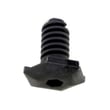
  • Haier Refrigerator Door Hole Plug for GE DRSR495GG9WW - Part WR01X21159

    Front panel & door diagram

    Drive Reversible Plug

    Part #WR02X8693

    Replaced by #WR01X21159

    Info Icon
    Manufacturer substitution
    This part replaces WR02X8693. Substitute parts can look different from the original.
    This item is not returnable
    In Stock
    $10.54
    16% OFF Phone Price : $12.54Info Icon
    Minus Item
    Qty
    Plus Item
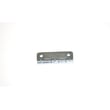
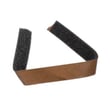
  • Strap Motor for GE DRSR495GG9WW - Part WE13X30697

    Backsplash, blower & motor assembly diagram

    Dryer Motor Clamp

    Part #WE13X0200

    Replaced by #WE13X30697

    Info Icon
    Manufacturer substitution
    This part replaces WE13X0200. Substitute parts can look different from the original.
    In Stock
    $39.69
    Minus Item
    Qty
    Plus Item
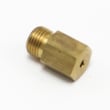
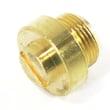
  • Dryer Lp Conversion Kit for GE DRSR495GG9WW - Part WE25X217

    Gas valve & burner assembly diagram

    Conversion Kit Orifice

    Part #WE25X0217

    Replaced by #WE25X217

    Info Icon
    Manufacturer substitution
    This part replaces WE25X0217. Substitute parts can look different from the original.
    In Stock
    $51.74
    39% OFF Was : $85.02Info Icon
    Minus Item
    Qty
    Plus Item
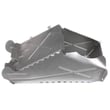
  • Blower Gasket (exhaust) for GE DRSR495GG9WW - Part WE09X27636

    Backsplash, blower & motor assembly diagram

    Gasket Seal

    Part #WE1M473

    Replaced by #WE09X27636

    Info Icon
    Manufacturer substitution
    This part replaces WE1M473. Substitute parts can look different from the original.
    In Stock
    $58.69
    Minus Item
    Qty
    Plus Item
  • Dishwasher Screw, #10-16 X 1/2-in for GE DRSR495GG9WW - Part WD02X10057

    Backsplash, blower & motor assembly diagram

    Screw

    Part #WE2M187

    Replaced by #WD02X10057

    Info Icon
    Manufacturer substitution
    This part replaces WE2M187. Substitute parts can look different from the original.
    In Stock
    $9.01
    10% OFF Phone Price : $10.01Info Icon
    Minus Item
    Qty
    Plus Item
  • Dryer Drum Bearing Kit for GE DRSR495GG9WW - Part WE25M40

    Drum diagram

    Shft-brkt

    Part #WE3X39

    Replaced by #WE25M40

    Info Icon
    Manufacturer substitution
    This part replaces WE3X39. Substitute parts can look different from the original.
    In Stock
    $72.74
    8% OFF Phone Price : $78.74Info Icon
    Minus Item
    Qty
    Plus Item

GE Gas Dryer DRSR495GG9WW FAQs

For a GE gas dryer like model DRSR495GG9WW, the most common complaint we see is a no-heat or poor-heat condition. In many cases, the root cause is restricted venting (long, crushed, or clogged ducting) that overheats the dryer and can trip safety thermostats, even though the drum still tumbles.

Quick checks that solve many “no heat” calls

  • Confirm the gas shutoff valve at the dryer and the main shutoff are fully open.
  • Clean the lint filter before every load (a full screen reduces airflow fast).
  • Inspect the vent hose for kinks, crushing, or excessive length; use the shortest run possible.
  • Make sure the outside wall damper opens freely.
  • Avoid plastic or other combustible ductwork.
  • If the dryer tumbles but won’t heat, check the home fuse/circuit breakers (some dryers can run but not heat with an electrical supply issue).

Parts that commonly relate to heating and airflow

If airflow is good and gas is on, these parts are common suspects on a gas dryer:

Symptom What it often points to Example part for this model
Tumbles, no heat Ignition failure Igniter WE04X25996
Overheats, shuts heat off Safety thermostat opening due to heat buildup Dryer high-limit thermostat WE4M137
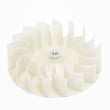
Long dry times, weak airflow Air movement problem inside dryer Dryer blower wheel WE16X20393

Why it matters

Restricted venting does more than slow drying; it raises internal temperatures and can cause repeated overheating symptoms. Keeping airflow correct helps the burner cycle normally, improves drying performance, and reduces wear on thermostats and other heat-related components.

Helpful reference

For venting rules and model-specific troubleshooting steps (including “dryer doesn’t heat” and “clothes take too long to dry”), use the owner's manual.

Last updated: February 2026

Vented dryers like the GE DRSR495GG9WW must exhaust to the outdoors, so they need correct ducting and a clear vent path. If the vent is long, crushed, or restricted, drying times increase, energy use goes up, and lint buildup can create a fire hazard (so proper installation and maintenance matter).

Main disadvantages of vented dryers

  • Placement limits: You need access to an exterior wall or roof vent; that can restrict where the dryer can go.
  • Vent system maintenance: The exhaust system needs regular inspection and cleaning (at least yearly) to prevent lint buildup.
  • Performance drops with poor venting: Kinked, crushed, or overly long duct runs can make clothes take longer to dry.
  • Higher energy use when venting is restricted: Longer run times typically mean higher gas and electricity use.
  • Installation rules are strict: For this model, venting must go outdoors and duct material matters.

Venting requirements that drive those disadvantages (DRSR495GG9WW)

For this GE gas dryer, the installation guidance is clear: exhaust outdoors and use the right duct type.

Venting item What to use What to avoid Why it matters
Duct diameter 4-inch duct Smaller duct Maintains airflow
Duct material Rigid metal (recommended); UL-listed flexible metal if allowed Flexible plastic duct Plastic can trap lint and collapse
Duct assembly Smooth interior, shortest practical run Screws/fasteners protruding into duct Protrusions catch lint
Termination Exterior exhaust hood with moving flaps Screens in or over the duct Screens trap lint

How to reduce the downsides (quick checklist)

  • Clean the lint screen before every load.
  • Keep the vent run as short and straight as possible.
  • Do not crush the duct behind the dryer when pushing it back.
  • Check the outside hood flaps for free movement and blockages.
  • Schedule a full vent inspection and cleaning at least once a year.

Why it matters

A vented gas dryer depends on strong airflow to dry efficiently and vent combustion byproducts outdoors. When airflow is restricted, you get longer dry times, wasted energy, and more lint accumulation in the exhaust path.

For model-specific venting diagrams and allowed exhaust configurations (rear, side, or bottom), follow the installation guide.

Last updated: February 2026

A GE dryer typically lasts 13 years. For your GE DRSR495GG9WW gas dryer, regular lint-screen cleaning, correct venting, and avoiding overloads are the biggest factors that keep the drum, motor, and gas heat system running longer; see the owner's manual for model-specific care steps.

What affects dryer lifespan the most

  • Vent restriction (crushed duct, long runs, clogged hood) makes the dryer run hotter and longer.
  • Lint buildup in the lint screen housing, blower area, or ducting reduces airflow.
  • Overloading strains the drive motor, drum supports, and belt system.
  • Heat system wear in gas dryers (igniter, gas valve, thermostats) increases with poor airflow.
  • Installation issues (improper exhaust materials, not vented outdoors) shorten component life.

Maintenance that adds years (best ROI)

  • Clean the lint filter before every load.
  • Check the outside exhaust hood for free-moving flaps and blockages.
  • Use the shortest, least-restricted vent path possible; rigid metal ducting is best.
  • Keep loads medium-sized; heavy loads accelerate drum support wear.
  • If drying times increase, address airflow first before replacing parts.

Common “wear” parts vs what you’ll notice

Symptom Likely wear area Example part on this model page
Squealing, scraping, thumping Drum support and glides Dryer drum front glide pad WE03X37318
Long dry times, weak airflow Blower and venting Dryer blower wheel WE16X20393
No heat (drum tumbles) Gas ignition or safety controls Igniter WE04X25996

Why it matters

Most “short lifespan” complaints come from airflow problems, not the age of the dryer. Good venting helps your DRSR495GG9WW dry faster, use less gas, and reduces overheating that can damage thermostats and other components.

Last updated: February 2026
Most common symptoms to help you fix your dryers

Choose a symptom to see related dryer repairs.

Main causes: bad gas valve coils, broken heating element, tripped safety thermostat or fuse, bad operating thermostat, c…

Main causes: clogged exhaust system, heating system failure, deposits on moisture sensor, control system failure…

Main causes: clogged exhaust vent, bad motor relay, loose dryer door catch, bad door switch, control system failure, fau…

Main causes: door switch failure, lack of power, broken belt, blown thermal fuse, bad drive motor, control system failur…

Main causes: damaged door strike, worn door catch…

Main causes: lack of electrical power, bad power cord, wiring failure, bad control board, blown thermal fuse, bad door s…

Main causes: bad timer or electronic control board, door switch failure…

Main causes: bad drum support roller, damaged idler pulley, broken blower fan blade, worn drum glide bearing, bad drive …

Most common repair guides to help fix your dryers

These step-by-step repair guides will help you safely fix what’s broken on your dryer.

How to replace an electronic control board in an electric dryer

How to replace an electronic control board in an electric dryer

The electronic control board manages the components and controls the cycle times in your electric dryer. Follow these st…

Repair time and Difficulty

 45 minutes or less
How to replace an igniter in a gas dryer

How to replace an igniter in a gas dryer

The igniter in a gas dryer glows white hot during the to light the gas that heats the air in the dryer. If the dryer air…

Repair time and Difficulty

 60 minutes or less
How to replace a dryer thermistor

How to replace a dryer thermistor

The thermistor senses the air temperature in the dryer. If your dryer overheats or doesn't heat at all, the thermistor …

Repair time and Difficulty

 30 minutes or less

Effective articles & videos to help repair your dryers

Use the advice and tips in these articles and videos to get the most out of your dryer.

How to use your clothes dryer efficiently

How to use your clothes dryer efficiently

Get expert tips on using your dryer efficiently to save energy.…

Are DIY appliance repairs safe?

Are DIY appliance repairs safe?

Find out how to stay safe when repairing your appliances.…

Keeping your smart appliances secure from hackers

Keeping your smart appliances secure from hackers

Find out how to protect your smart appliances from malevolent invasions by hackers.…

Parts & More

Bottom-Mount Refrigerator
Coffee Maker
Dishwasher
Front-Engine Lawn Tractor
Gas Walk-Behind Mower
Lawn & Garden Engine
Room Air Conditioner
Side-By-Side Refrigerator
Trash Compactor
Washer