


What is the fuel mixture for a 25cc Homelite trimmer?
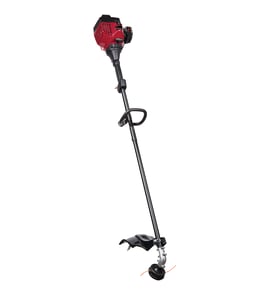
For a Homelite ST-275 25cc 2-cycle gas line trimmer, we use a 50:1 gasoline-to-2-cycle oil mix. That equals 2.6 fl oz of 2-cycle oil per 1 U.S. gallon (128 fl oz) of fresh unleaded gas; mix it in an approved fuel can before filling the tank.
How to mix 50:1 correctly
- Use fresh, unleaded gasoline (stale fuel is a top cause of hard starting).
- Use 2-cycle oil labeled for air-cooled engines.
- Add about half the gas to the can first.
- Add the measured oil, then add the remaining gas.
- Cap and shake the can to fully blend before fueling.
Quick mix chart (50:1)
| Gasoline amount | 2-cycle oil needed |
|---|---|
| 1 gallon | 2.6 fl oz |
| 1/2 gallon | 1.3 fl oz |
| 1 quart | 0.64 fl oz (about 19 ml) |
What happens if the mix is wrong
Using the correct ratio protects the crankshaft bearings, piston, and cylinder from heat and wear.
- Too little oil (lean oil mix): overheating, scoring, loss of compression, early engine failure.
- Too much oil (rich oil mix): heavy smoke, carbon buildup, spark plug fouling, poor throttle response.
If it starts but runs poorly after fueling
Try these checks in order:
- Drain the tank and refill with fresh 50:1 mix.
- Inspect and replace the spark plug if it is wet, black, or carbon-fouled (see spark plug 79252).
- Make sure the fuel cap vent is not blocked.
- Clean debris from the cooling fins and air intake areas.
Ordering parts for your ST-275
We list model-matched replacement parts for Homelite ST-275 on this page (for example, spark plug 79252). For additional parts searches by model number, use Sears PartsDirect.
Last updated: February 2026
Why do landscapers take the guard off trimmers?
Landscapers take the guard off a trimmer mainly to improve visibility at the cutting head and to run a longer line for faster edging and wider cutting swaths. On a Homelite ST-275, removing the guard also increases the chance of thrown debris and line breakage, so we recommend keeping the guard installed for normal use.
Common reasons pros remove the guard
- Better sightline to the string for cleaner edging along sidewalks and curbs
- Ability to run longer line for faster coverage (more cut per pass)
- Easier access in tight spots (fences, shrubs, landscape borders)
- Less clogging when trimming heavy, wet grass
- Slight weight reduction at the head
What you give up when the guard is removed
The guard is there to control debris, help limit line length, and reduce contact with the spinning head. Without it, the trimmer can throw rocks, sticks, and broken line much farther.
| With guard on | With guard off |
|---|---|
| Better debris control | More debris thrown toward operator and bystanders |
| Line length is limited by the cut-off blade | Longer line possible, but more drag and breakage |
| More consistent, predictable trimming | Faster coverage possible, but less controlled |
Why it matters (safety and performance)
Running without a guard increases the risk of injury and property damage, and it can also increase load on the engine because longer line creates more drag. That extra drag often leads to higher fuel use, more vibration, and more frequent line snapping.
If your guard is missing or damaged
If the guard is cracked, loose, or won’t stay aligned, replace the damaged pieces so the trimmer stays safe and trims consistently.
- Check the guard mounting area for stripped fasteners
- Replace missing hardware with the correct screws
- Make sure the cut-off blade is present and secure
For common fastener replacements used on this model, see screw 82540. For additional ST-275 parts and diagrams, you can also search by model number on Sears PartsDirect.
Last updated: February 2026
What is the best trimmer line on the market?
For a Homelite ST-275 gas line trimmer, the “best” trimmer line is the one that matches your cutting conditions and the trimmer head’s supported line diameter; for most homeowners, a quality round or twisted line in the correct size delivers the best mix of cut quality, durability, and easy feeding.
How to choose the best trimmer line for your ST-275
Use these factors to pick the right line for your yard and how you trim:
- Line diameter: Match what your trimmer head is designed to run; thicker line lasts longer but can reduce RPM and increase fuel use.
- Line shape: Round is smooth and reliable; twisted is quieter; square or star cuts aggressively but can wear faster.
- Material: Standard nylon is fine for weekly trimming; “commercial” blends last longer in abrasive conditions.
- What you cut: Light grass needs less; weeds and edging along fences need tougher line.
- Feeding style: If your head is bump-feed, choose line that feeds smoothly (round or twisted usually does best).
Quick comparison: common line types
| Line type | Best for | Tradeoff |
|---|---|---|
| Round | General trimming, easy feeding | Less aggressive cutting |
| Twisted | Quieter trimming, good durability | Slightly higher cost |
| Square/star | Thick weeds, fast cutting | Can break more, can be noisier |
| Serrated (toothed) | Heavy weeds and brushy edges | Can be loud and may wear faster |
Why it matters
Using the correct line size and style helps your ST-275 maintain cutting speed, reduces bogging, and improves fuel efficiency. The wrong diameter can cause poor feeding, extra vibration, and faster wear on the trimmer head.
Parts and maintenance tips while you are tuning performance
If your trimmer is struggling even with good line, basic tune-up items often make the biggest difference:
- Replace a worn plug with the correct spark plug 79252.
- Inspect the guard and replace if cracked or missing (it affects safety and cut control) with the grass deflector 02610.
- Check for loose hardware and replace missing fasteners with the correct screw 82540.
- Keep the cutting area clear of wrapped grass to reduce drag.
- Use fresh, properly mixed fuel (common cause of weak power on 2-cycle trimmers).
For additional parts lookups by model number, we recommend using Sears PartsDirect.
Last updated: February 2026
What is the highest rated gas string trimmer?
There is no single highest-rated gas string trimmer for every buyer; ratings depend on yard size, shaft style (straight vs. curved), and how well the trimmer is maintained. If you own a Homelite ST-275, a basic tune-up and the right replacement parts often deliver “top-rated” performance.
What “top-rated” usually means
Most review scores for gas trimmers track a few practical factors:
- Starts easily and idles without stalling
- Holds RPM in thick grass and weeds
- Low vibration and good balance
- Easy routine service (spark plug, fasteners, guard)
- Durable cutting-end protection (deflector/guard)
How to make your Homelite ST-275 run like a top performer
Focus on the common maintenance items that drive real-world reliability:
- Replace the ignition wear item on schedule; use a correct match such as the spark plug 79252.
- Confirm the cutting-end guard is intact and mounted securely; replace a damaged guard like the grass deflector 02610.
- Tighten or replace missing hardware that can cause vibration or stalling; a common fastener is the screw 82540.
- If you feel wobble or hear grinding from the drive area, inspect support components; a worn bearing UP05589 can increase vibration.
Quick comparison: ratings vs. what you can control
| Rating category | What it reflects | What to check on ST-275 |
|---|---|---|
| Easy starting | Fuel, spark, compression | Fresh fuel mix, plug condition |
| Cutting power | RPM under load | Correct line, smooth drive |
| Low vibration | Balance, tightness | Tight hardware, bearing condition |
Why it matters
Most “bad trimmer” complaints come from tune-up issues, not the core machine. Keeping your Homelite ST-275 maintained with correct parts restores performance and reduces downtime.
You can order ST-275 replacement parts from the parts list for this model, or search by model number on Sears PartsDirect.
Last updated: February 2026