Error Codes

How much does a MAV7650AWW cost?
A Maytag MAV7650AWW is an older washer model, so the price depends on whether you mean a used machine, a refurbished unit, or the cost to repair the one you already own. Most owners focus on repair cost; common replacement parts for MAV7650AWW range from under $10 to over $200.
What “cost” usually means for this model
Because new units are typically not sold for older models like MAV7650AWW, these are the most common cost categories:
- Repair parts (most common): lid switch, drive belt, drain hose, motor-related parts
- Service labor: varies by region and complexity (diagnosis plus repair time)
- Used or refurbished washer: varies widely by condition and local market
- Preventive maintenance: hoses, clamps, cleaning supplies
Example part price ranges (from common repairs)
Here are a few typical part categories you might replace on a Maytag top-load washer like MAV7650AWW.
| Repair need | Common symptom | Example part on this page |
|---|---|---|
| Won’t start or won’t spin | No agitation/spin when lid is closed | Washer lid switch WP22003804 |
| Slipping or no agitation/spin | Burning rubber smell, weak spin | Drive belt WP22003483 |
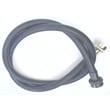
| Leaking or poor draining | Water on floor, slow drain | Washer drain hose WP22003410 |
| Fill issues | Slow fill, leaks at connections | Inlet hose WP89503 |
How we recommend estimating your total repair cost
Use this quick approach to avoid overbuying parts:
- Identify the main symptom (won’t drain, won’t spin, leaking, won’t fill)
- Inspect the simple failure points first (hose connections, clamps, lid switch actuator)
- Price the most likely part plus any small hardware you may need
- Add labor if you are not doing the repair yourself
- If multiple symptoms exist, test in order (fill, agitate, drain, spin)
Why it matters
For MAV7650AWW, a targeted repair (for example, replacing a failed lid switch or worn drive belt) often restores normal washing performance for far less than replacing the entire washer.
Last updated: February 2026
What are the most common issues with MAV7650AWW?
The most common issues we see with the Maytag MAV7650AWW washer are no spin or no drain, not filling, leaking, excessive vibration, and timer or control problems. These symptoms usually trace back to a few high-wear parts and simple checks like lid closure, hoses, and load balance.
Most common symptoms and what typically causes them
- Won’t spin or stops mid-cycle: lid switch not actuating, drive belt worn, motor or motor pivot spring issue
- Won’t drain or drains slowly: drain hose kinked or clogged, pump obstruction, hose connections leaking air
- Won’t fill or fills slowly: inlet hose screen clogged, household water valves partially closed
- Leaking: loose hose clamps, cracked drain hose, tub-to-pump hose seepage
- Noisy or vibrating: unbalanced load, worn drive components, loose mounting hardware
Quick checks we recommend before replacing parts
- Reset the cycle: unplug for 2 minutes, then try a drain/spin.
- Confirm lid closure: if the washer acts “dead” during spin, the lid switch system is a top suspect.
- Check hoses: look for kinks, crushed sections, or loose clamps.
- Inspect for clogs: coins, socks, and lint commonly restrict draining.
- Rebalance the load: bulky items can prevent spin and cause shaking.
Parts that commonly fix these problems (when symptoms match)
| Symptom | Common part to check | What it does |
|---|---|---|
| No spin, intermittent operation | Washer lid switch WP22003804 | Confirms lid is closed so the washer can spin/agitate |
| Burning rubber smell, weak spin | Drive belt WP22003483 | Transfers motor power to the drive system |
| Leaking at drain path | Washer drain hose WP22003410 | Carries water out to the standpipe or laundry tub |
| Poor draining, water left in tub | Pump (inspect for blockage) | Moves water from tub to drain hose |
Why it matters
Catching the root cause early helps prevent secondary damage, such as a slipping belt overheating, a leaking hose causing floor damage, or a failing lid switch stopping the washer mid-cycle.
For broader Maytag washer troubleshooting patterns, we also use the steps in how to troubleshoot Maytag centennial washer problems to guide symptom-based checks.
Last updated: March 2026
What is the average lifespan of MAV7650AWW?
The average lifespan of a Maytag top-load washer like model MAV7650AWW is about 10 to 14 years with normal household use. Regular maintenance and timely replacement of wear items (like a lid switch or drive belt) helps you reach the high end of that range.
What affects lifespan most
- Load size and frequency: frequent oversized loads shorten motor, belt, and transmission life.
- Drain performance: slow draining strains the pump and can leave water that causes odor and corrosion.
- Spin balance: repeated out-of-balance spinning wears suspension and drive components.
- Water quality: hard water increases detergent buildup and can affect valves and hoses.
- Small failures left unfixed: a slipping belt or intermittent lid switch can cascade into bigger problems.
Maintenance that extends life
- Keep loads evenly distributed; wash bulky items in smaller loads.
- Use the right amount of HE detergent (too much causes residue and odors).
- Inspect fill hoses for bulges or cracking; replace if worn.
- If draining is slow, check the drain path and consider replacing the washer drain hose if it is kinked or deteriorated.
- Address “won’t spin” symptoms quickly; the washer lid switch is a common, fixable cause.
Common wear parts for MAV7650AWW
| Symptom | Likely wear area | Example part on this model |
|---|---|---|
| Won’t spin or stops when lid opens | Safety interlock | Washer lid switch WP22003804 |
| Burning rubber smell, weak agitation/spin | Belt drive | Drive belt WP22003483 |
| Won’t drain or drains slowly | Drain system | Washer drain hose WP22003410 |
Why it matters
Knowing the typical 10 to 14 year lifespan helps you decide whether to repair or refresh key components. On a washer like MAV7650AWW, replacing a few targeted parts often restores reliable washing and spinning without replacing the whole machine.
Last updated: March 2026