Installation guide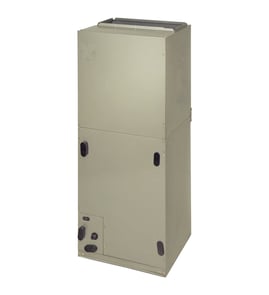

What are common Mitsubishi HVAC problems?
Common problems we see with Mitsubishi HVAC systems like the Mitsubishi MSZ-GL06NA-U1 air handler include weak heating or cooling from airflow restrictions, refrigerant leaks (low charge), wiring or control issues, and installation-related problems such as poor placement or inadequate insulation on refrigerant lines. Use the installation guide for model-specific setup and safety requirements.
- Not cooling or not heating well: dirty filters, blocked indoor coil, incorrect mode or setpoint, low refrigerant
- Weak airflow: clogged filter, dirty blower wheel, obstructed return or supply path
- Water dripping indoors: clogged drain path, poor insulation on piping in humid areas, improper unit level
- Unit will not run: power supply issue, tripped breaker, loose wiring, control board or communication fault
- Unusual noise or vibration: loose mounting, fan imbalance, cabinet not secured
- Confirm the remote is set to the correct mode (cool/heat) and temperature.
- Check and clean the air filter; restricted airflow is a top cause of poor performance.
- Inspect the indoor unit area for blocked air intake or discharge.
- Look for signs of refrigerant issues (oil residue at flare connections, reduced performance over time).
- If the unit is completely dead, check the breaker and disconnect (leave internal electrical work to a technician).
The installation instructions emphasize using the correct refrigerant and proper leak checking, and they warn against releasing refrigerant into the atmosphere. They also call out correct piping insulation to prevent condensation in high humidity areas. If you suspect a leak or piping problem, schedule professional service.
| Symptom | Most likely category | What to do next |
|---|---|---|
| Gradual loss of cooling | Refrigerant leak/low charge | Have a technician leak-test and repair |
| Drips only on humid days | Insulation/condensation | Verify piping insulation and drain routing |
| Trips breaker or won’t power on | Electrical | Stop use; check dedicated circuit and wiring |
| Loud buzzing or rattling | Mounting/fan | Check for loose panels and secure mounting |
Air handlers combine electrical controls, airflow components, and refrigerant piping. A small issue like restricted airflow can reduce comfort and efficiency, while wiring or refrigerant problems can create safety risks. The installation guide highlights dedicated circuit use, correct grounding, and safe refrigerant handling.
Last updated: February 2026
What is the life expectancy of a Mitsubishi AC unit?
A Mitsubishi AC system like the MSZ-GL06NA-U1 typically lasts 12 to 20 years with normal use and proper installation and maintenance. Real-world lifespan depends most on correct electrical connections, clean airflow, and preventing refrigerant leaks.
- Installation quality: Secure covers and panels, correct wiring, and proper mounting reduce electrical and vibration-related failures.
- Airflow and cleanliness: Keeping the indoor unit and surrounding area clean helps prevent coil icing and strain.
- Refrigerant integrity: Leaks or improper charging can shorten compressor and system life.
- Operating conditions: Heavy run time, extreme temperatures, and poor ventilation increase wear.
- Electrical stability: Consistent power and solid grounding help protect control boards and motors.
- Clean or replace filters on schedule (more often with pets or dust).
- Keep the indoor unit mounted securely and free of obstructions.
- Keep the outdoor unit clear of debris and allow good airflow.
- Watch for early warning signs: reduced cooling, unusual noise, water dripping indoors, or frequent cycling.
- Have a qualified technician check refrigerant charge and electrical connections during routine service.
| System type | Typical life expectancy | Notes |
|---|---|---|
| Ductless mini-split (Mitsubishi-style) | 12 to 20 years | Often longer with clean airflow and correct install |
| Central split AC (typical) | 12 to 15 years | Duct losses and higher load can reduce lifespan |
If your unit is approaching the 12 to 20 year range, planning ahead helps you avoid peak-season breakdowns and lets you decide whether a repair (fan motor, control board, sensors) makes sense versus replacement.
For model-specific installation and safety details (including securing electrical covers and preventing refrigerant leaks), use the installation guide.
Last updated: February 2026
How to fix MSZ-GL06NA-U1 fault code Mitsubishi?
On the Mitsubishi MSZ-GL06NA-U1 air handler, you fix a fault code by identifying the exact code shown on the indoor unit or remote controller, correcting the specific cause (power, wiring, airflow, or system protection), then restoring power. We follow the safety steps in the installation guide before opening panels or checking wiring.
Write down the code and the conditions (cooling vs. heating, right after power loss, after running 5 to 10 minutes). That pattern points to the right system.
- Note the full code exactly as displayed
- Record whether the unit stops completely or keeps the fan running
- Check if the code returns immediately after a reset
- Listen for relay clicks or repeated start attempts
Many Mitsubishi fault codes are triggered by power quality, loose connections, or covers not secured.
- Turn off power at the breaker before removing any cover
- Make sure the plug and outlet are clean and fully seated (no dust or looseness)
- Verify the unit is on an exclusive circuit (no other appliances on that circuit)
- Confirm the unit is properly grounded
- Securely reinstall the electrical cover and service panels before restoring power
These checks address the most frequent triggers without guessing a specific code meaning.
| What you see | Most common cause | What to do next |
|---|---|---|
| Code appears after outage or flicker | Power interruption or loose connection | Reset power, then recheck plug, breaker, and wiring connections |
| Weak airflow or icing | Dirty filter or blocked intake/discharge | Clean filter, clear obstructions, verify free air circulation |
| Code returns quickly after reset | Control, sensor, or communication issue | Inspect wiring harness connections; if unchanged, schedule service |
| Unit runs briefly then stops | Protection trip (temperature, pressure, or control) | Confirm airflow first; then have a technician test sensors and system |
Mitsubishi fault codes are protective; they prevent damage to the compressor, indoor P.C. board, and wiring. Using the exact code plus basic power and airflow checks gets you to the correct repair faster and prevents repeat shutdowns.
Last updated: February 2026