 Owner’s manual



Are GE Profile dishwashers any good?
Yes. GE Profile dishwashers like model PDP755SYR3FS are a solid choice for most homes because they are built for strong cleaning, quiet operation, and modern convenience features (such as advanced loading options and connected functions). For the best real-world results, setup and detergent choice matter. See the PDP755SYR3FS owner's manual.
What “good” usually means for this GE Profile dishwasher
We judge dishwasher quality by cleaning, drying, noise, reliability, and ease of use. For PDP755SYR3FS, the manual highlights practical features and care steps that support consistent performance.
- Cleans best when you use automatic dishwasher detergent (not hand dish soap)
- Performs better with quality detergent tablets or packets in many cycles
- Helps control odors and mineral film when you follow routine cleaning guidance
- Protects the stainless tub from rust and corrosion in normal use
- Supports troubleshooting with clear symptom-and-fix guidance
Quick checklist to get the best performance
These steps make a bigger difference than most people expect:
- Use only automatic dishwasher detergent; avoid liquid hand dish detergent (it causes suds and poor washing)
- Load so dishes do not block the detergent dispenser door
- Keep spray paths clear so the lower spray arm can flush the dispenser area
- Use a rinse aid to reduce spotting and hard-water film
- Clean and de-odorize periodically with citric acid or a dishwasher cleaner
Common “not so good” complaints and what they usually point to
Many negative reviews trace back to setup, loading, or a specific failed part.
| Symptom | Most common cause | What to check first |
|---|---|---|
| Suds/foam in tub | Wrong detergent or spilled rinse aid | Use automatic detergent only; wipe rinse aid spills |
| Detergent left in cup | Dishes blocking dispenser | Re-load so nothing blocks the cup door |
| Not cleaning well | Spray not reaching items | Check for clogged or damaged spray arm |
| Not draining | Drain restriction or pump issue | Check drain path; inspect drain pump |
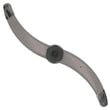
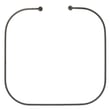
If you suspect a wash-coverage issue, the dishwasher spray arm, lower WD22X33499 is a common wear item to inspect for cracks, clogs, or poor rotation.
Why it matters
A “good” dishwasher is one that stays consistent over time. Using the right detergent, loading correctly, and keeping the wash system clean reduces service calls and helps parts like the wash pump, drain pump, and heating system do their jobs.
Last updated: January 2026
What is the average lifespan of a GE dishwasher?
Most GE dishwashers, including model PDP755SYR3FS, typically last 10 to 12 years. With consistent care (cleaning, correct detergent use, and addressing small leaks early), many households see service life reach the low-to-mid teens.
What affects lifespan the most
- Water quality: hard water speeds up mineral buildup on the heating system and internal surfaces.
- Maintenance habits: regular cleaning helps prevent odor, clogs, and poor wash performance.
- Detergent choice and dosing: using the right detergent and amount reduces residue and wear.
- Loading and spray performance: blocked spray arms force the wash system to work harder.
- Drain health: slow draining strains the drain pump and can leave standing water.
Maintenance checklist that helps you reach 10 to 12 years
Use these as your routine baseline for PDP755SYR3FS:
- Clean the interior periodically with a dishwasher cleaner or citric acid (per the PDP755SYR3FS owner's manual).
- Use automatic dishwasher detergent only (never hand dish soap).
- Adjust detergent amount for your water hardness to avoid residue or etching.
- Keep spray arms clear; remove debris from the holes if wash quality drops.
- Watch for slow draining or water left in the tub and correct it early.
Common wear items vs. “end of life” failures
| What you notice | Often points to | Typical fix type |
|---|---|---|
| Dishes not drying well | Heating system or settings | Maintenance or part replacement |
| Poor cleaning on lower rack | Lower spray arm or wash circulation | Cleaning or part replacement |
| Water left in bottom | Drain restriction or drain pump | Cleaning or part replacement |
| Intermittent fill or no fill | Water inlet valve or supply issue | Diagnosis, then repair |
If you are troubleshooting a specific symptom, we use the same approach: confirm the symptom, check the easy maintenance items first, then test the likely parts.
Why it matters
A dishwasher that is maintained and corrected early for draining, filling, or spray issues usually avoids secondary damage to the wash pump, drain pump, and controls. That is the difference between a normal 10 to 12 year lifespan and an early failure.
Last updated: January 2026
What is the most common problem with a GE dishwasher?
The most common GE dishwasher problems are “won’t run” and “won’t drain” symptoms, usually caused by a tripped breaker, a door that is not fully latched, a clogged filter or drain path, or a drain pump issue. For GE model PDP755SYR3FS, start with the quick checks in the PDP755SYR3FS owner's manual.
Most common issues we see (and what to check first)
- Dishwasher won’t run: check the breaker or fuse, and confirm any wall switch feeding the dishwasher is ON.
- Door won’t latch: if the door is not fully latched, the cycle may not start.
- Drainage problems: food debris can restrict the filter area, drain hose, or pump.
- Suds and poor washing: using the wrong detergent (like hand dish soap) can create suds and stop performance.
- Odors and film: buildup and hard water minerals can cause smells and residue; routine cleaning helps.
Quick troubleshooting checklist (PDP755SYR3FS)
- Reset the breaker (or replace a blown fuse) and remove other loads from the circuit.
- Make sure the door closes firmly; inspect the latch area for obstructions.
- If you see suds, use only automatic dishwasher detergent; let suds dissipate, then cancel/drain per the manual.
- If it is not draining, check for kinks or clogs in the drain path; inspect the drain hose routing.
- If the unit has an error code, match it to the code list before replacing parts.
Common symptoms and likely parts
| Symptom | Common cause | Part to consider for PDP755SYR3FS |
|---|---|---|
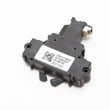
| Won’t start | Door not latched, latch switch issue | GE dishwasher door latch lock WD21X10490 |
| Won’t drain | Blocked drain path, failed pump | Dishwasher drain pump WD19X25461 |
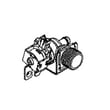
| Not filling | Supply issue, inlet valve problem | Dishwasher water inlet valve WD15X26078 |
| Stops mid-cycle or shows fill/drain related errors | Water level sensing issue | GE dishwasher pressure sensor WD21X25468 |
Why it matters
A “won’t start” or “won’t drain” complaint is often a simple fix (power, latch, clog). Doing these checks first prevents unnecessary part replacement and gets your GE dishwasher back to normal operation faster.
Helpful reference
- Use our GE electronic dishwasher error codes guide to interpret display codes and narrow the failure to the right circuit or component.
Last updated: January 2026





