Owner’s manual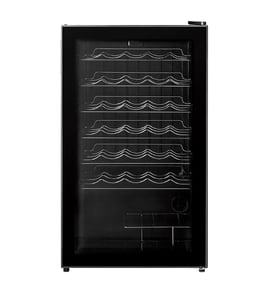

Can a wine cooler be used as a beverage cooler?
Yes. You can use the Vissani MCBC58DST wine and beverage cooler to store beer, soda, and other drinks as long as you set the temperature for the beverages you want and allow steady airflow inside the cabinet. For model-specific temperature guidance and setup details, use the MCBC58DST owner's manual.
How to set it up for beverages
- Set the thermostat to a colder setting than you would for wine (most soft drinks taste best colder than typical wine storage).
- Let temperatures stabilize for 24 hours after changing the control.
- Avoid overpacking; leave space so cold air can circulate around cans and bottles.
- Keep the door closed as much as possible; frequent openings cause temperature swings.
- Store similar items together (all cans, all bottles) so you can grab what you need quickly.
Beverage temperature targets (practical guide)
These are common serving ranges; use them to choose a setting and then fine-tune based on actual results.
| Beverage type | Typical target temperature | Notes |
|---|---|---|
| Soda and sparkling water | 35 to 40°F | Colder tastes crisper; avoid freezing near the back wall. |
| Beer (most lagers) | 38 to 45°F | Many people prefer the low 40s. |
| Energy drinks and juice boxes | 35 to 40°F | Rotate stock so older items get used first. |
| White wine (if you mix uses) | 45 to 55°F | Warmer than soda; consider a compromise setting. |
What to watch for (and quick fixes)
- Freezing cans or slushy bottles: Raise the temperature slightly and move items away from the coldest spots (often the back or bottom).
- Drinks not cold enough: Lower the setting, confirm the door gasket seals, and keep the condenser area free of dust.
- Big temperature swings: Reduce door openings and avoid loading a large amount of warm drinks all at once.
Why it matters
Wine coolers are designed for stable temperatures and gentle cooling. When you use one as a beverage cooler, the main goal is matching the temperature to your drinks while keeping airflow and loading habits consistent so everything chills evenly.
You can look up replacement parts for the Vissani MCBC58DST by model number through the parts list for this appliance, or search by model on Sears PartsDirect.
Last updated: February 2026
What is the difference between a wine cooler and a beverage cooler?
A wine cooler is built to store wine at stable, narrow temperature ranges and with features that protect flavor and corks, while a beverage cooler is built for everyday drinks (cans and bottles) with wider temperature flexibility and higher door-opening traffic. For your Vissani MCBC58DST, the design is aimed at wine and mixed beverages; use the settings and loading guidance in the MCBC58DST owner's manual to match what you store.
Key differences that affect performance
- Temperature range and stability: Wine storage benefits from tighter, steadier temps; beverage storage is usually more forgiving.
- Humidity considerations: Wine coolers often prioritize conditions that help protect corks; beverage coolers typically focus less on humidity.
- Shelving and layout: Wine coolers commonly use slide-out racks sized for wine bottles; beverage coolers often use flatter shelves for cans and mixed bottle shapes.
- Vibration and light control: Wine coolers more often emphasize low vibration and reduced interior light exposure.
- How you use it day to day: Beverage coolers are typically opened more often; wine coolers are often opened less to keep conditions stable.
Which one should you choose?
Use this quick comparison to match the appliance to your drinks and habits.
| If you mostly store... | Better fit | Why |
|---|---|---|
| Red and white wine long-term | Wine cooler | More consistent storage conditions for wine |
| Soda, beer, sparkling water, energy drinks | Beverage cooler | Flexible shelving and frequent access |
| A mix of wine plus cans/bottles | Wine & beverage cooler (like MCBC58DST) | Balanced layout for mixed storage |
Setup tips for the best results
- Place the cooler where room temperature stays fairly steady and ventilation is not blocked.
- Avoid overloading; leave space for air circulation around bottles and cans.
- Minimize frequent door openings when storing wine for longer periods.
- Keep strong-odor items out; odors can transfer when stored in enclosed spaces.
- Use the recommended control settings and shelf positions from the MCBC58DST owner's manual.
Why it matters
Wine is more sensitive to temperature swings, vibration, and light than most canned beverages. Choosing the right cooler (and using it the right way) helps keep drinks tasting the way they should and reduces temperature recovery time after the door is opened.
For replacement parts and model-specific diagrams, start with the parts list for Vissani MCBC58DST; you can also search by model number on Sears PartsDirect.
Last updated: February 2026
Why is my wine cooler not getting cold?
If your Vissani MCBC58DST wine and beverage cooler is running but not getting cold, the most common causes are restricted airflow (dirty condenser, blocked vents, poor clearance), a fan not moving air, or a temperature control issue. Sealed-system problems are less common.
Quick checks (5 minutes)
- Set the control colder and confirm the display or dial responds.
- Make sure the door closes fully and the gasket seals all the way around.
- Leave several inches of clearance around the cabinet for ventilation.
- Keep bottles and cans from blocking interior air vents.
- After any change, allow 12 to 24 hours for temperatures to stabilize.
What to inspect next
Airflow and condenser cleaning
Dust on the condenser prevents heat from leaving the cabinet, so temperatures stay warm.
- Unplug the cooler.
- Brush and vacuum the condenser area; avoid bending fins.
- Restore power and monitor cooling for the next day.
Fan operation
If the compressor runs but air is not circulating, cooling will be weak.
- Listen for airflow inside while running.
- If the compressor runs and the cabinet stays warm with little airflow, check the fan and its wiring.
Symptom guide
| Symptom | Likely cause | Next step |
|---|---|---|
| Runs, cabinet warm, condenser dusty | Poor heat transfer | Clean condenser, improve clearance |
| Runs, little or no airflow | Fan problem | Inspect fan and connections |
| Runs constantly, still warm | Airflow restriction or sealed system | Clear vents, clean condenser; then service sealed system |
| Temperature swings | Door seal or control | Reseat gasket, adjust setting |
Why it matters
Wine and beverage coolers rely on steady airflow to hold a stable temperature. Fixing airflow issues early reduces run time and helps protect the compressor.
For model-specific clearances, settings, and normal operating sounds, use the MCBC58DST owner’s manual. To find replacement parts by model number, search on Sears PartsDirect.
Last updated: February 2026