 Error Codes




What is the most common problem with GE dishwashers?
The most common GE dishwasher problems are draining failures, poor cleaning, and start or stop issues. On GE model GDT665SMN5ES, these symptoms usually trace back to a clogged drain path, a weak pump, a door not latching, or a fill and sensing problem.
Most common issues we see (and what they look like)
- Not draining: standing water in the bottom, gurgling, or a cycle that ends with water left behind
- Not cleaning well: gritty dishes, food redeposit, or weak spray action
- Won’t start or stops mid-cycle: lights on but no wash action, or intermittent operation
- Not filling correctly: very quiet wash, little water sound at the beginning
- Leaks at the door: water at the front corners or along the bottom edge
Quick checks that solve many complaints
- Reset power: turn the breaker off for 1 minute, then back on.
- Check the door close: confirm the door closes firmly and the latch engages.
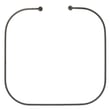
- Inspect the drain route: look for kinks or blockage in the dishwasher drain hose WD24X10062.
- Clean spray paths: remove debris from the lower spray arm jets; replace if cracked or warped (see dishwasher spray arm, lower WD22X33499).
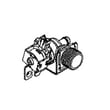
- Verify water supply: make sure the shutoff valve is fully open; a weak fill can point to the dishwasher water inlet valve WD15X26078.
Common symptom-to-part matchups
| Symptom | Most likely area | Part examples for GDT665SMN5ES |
|---|---|---|
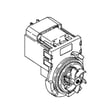
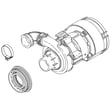
| Water won’t drain | Drain pump or drain path | Dishwasher drain pump WD19X25461, dishwasher drain hose WD24X10062 |
| Poor wash, weak spray | Spray arm or wash circulation | Dishwasher spray arm, lower WD22X33499 |
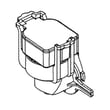
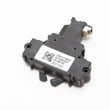
| Won’t start, door error | Door latch system | GE dishwasher door latch lock WD21X10490 |
| Underfilling or no fill | Water inlet | Dishwasher water inlet valve WD15X26078 |
Why it matters
Drain, fill, and latch problems can make the dishwasher stop early, leave dirty water behind, or prevent heating and drying from working correctly. Fixing the root cause also helps protect the wash pump, control, and seals from extra strain.
When error codes help
If your display shows an error, use our GE electronic dishwasher error codes guide to narrow the failure to a specific system (drain, fill, heating, or control) before ordering parts.
Last updated: February 2026
What is the average life expectancy of a GE dishwasher?
Most GE dishwashers, including model GDT665SMN5ES, last 10 to 12 years with normal household use. Consistent cleaning, correct detergent use, and fixing small leaks or drain issues early are the biggest factors that help a dishwasher reach the high end of that range.
What affects lifespan the most
- Water quality and scale buildup (hard water shortens heater and pump life)
- How often it runs (multiple loads daily adds wear to the wash system)
- Drain and fill health (slow draining or weak filling strains the motor)
- Door sealing and venting (leaks and moisture can damage components)
- Routine cleaning (keeps spray arms and sump flowing freely)
Maintenance that helps a GE dishwasher last longer
- Clean the filter area and sump regularly; remove glass, labels, and food debris.
- Inspect and clear spray arm holes; replace a damaged arm such as the dishwasher spray arm, lower WD22X33499 if it is cracked or not spinning.
- Run a monthly cleaning cycle to reduce grease and mineral buildup.
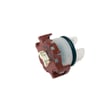
- Check for slow draining; address kinks or clogs and replace a failing dishwasher drain pump WD19X25461 if the unit hums but will not evacuate water.
- Watch for small leaks at the door; replace a flattened or torn dishwasher tub gasket WD08X23477.
Quick “repair vs. replace” guide
| What you’re seeing | Most common direction | Why |
|---|---|---|
| Not draining, standing water | Repair | Often a drain pump, hose, or blockage issue |
| Not cleaning well | Repair | Spray arm or wash system flow problem |
| Leaking at the door | Repair | Usually a gasket or alignment issue |
| Multiple major failures near 10+ years | Replace | Cost can exceed the value of the unit |
Why it matters
A dishwasher that is filling, washing, heating, and draining correctly puts less stress on high-wear parts like the wash pump, heating element, and control system. Preventive cleaning and early part replacement typically adds years of reliable service.
For troubleshooting help when the dishwasher shows a code or beeps, use GE dishwasher error codes.
Last updated: February 2026
Can I replace dishwasher parts myself?
Yes, for the GE GDT665SMN5ES dishwasher, we can replace many common parts ourselves if we’re comfortable turning off power and water and working carefully. Simple mechanical items (like spray arms and hoses) are usually DIY-friendly; control and wiring repairs take more skill.
Good DIY candidates vs. “use extra caution” parts
DIY-friendly replacements typically include:
- Dishwasher spray arm, lower WD22X33499 (clogs, cracks, poor wash coverage)
- Dishwasher spray arm, middle WD22X33498 (weak mid-rack cleaning)
- Dishwasher drain hose WD24X10062 (leaks, kinks, drain restrictions)
- Dishwasher tub gasket WD08X23477 (door-area leaks)
Use extra caution (electrical, diagnostics, or water-path complexity):
- Dishwasher water inlet valve WD15X26078 (no fill, slow fill)
- Dishwasher drain pump WD19X25461 (won’t drain, humming)
- Configured machine control board WD21X30998 (dead unit, erratic operation)
- Dishwasher wire harness and thermal fuse WD21X27402 (intermittent power, no power)
Before you start (safe prep checklist)
- Shut off power at the breaker (dishwashers are hardwired or plugged in under the sink)
- Turn off the water supply valve under the sink
- Protect the floor with towels; keep a shallow pan ready for residual water
- Take photos of wire routing and hose connections before disconnecting anything
- Confirm the symptom first; a clog or loading issue can mimic a failed part
Quick “symptom to part” guide
| Symptom | Common DIY checks | Parts that may be involved |
|---|---|---|
| Not draining | Check for kinks, clogs, disposer plug | Dishwasher drain hose WD24X10062, dishwasher drain pump WD19X25461 |
| Not cleaning well | Clean spray arm ports, load correctly | Dishwasher spray arm, lower WD22X33499, dishwasher spray arm, middle WD22X33498 |
| Not filling | Verify water valve is on, check inlet screen | Dishwasher water inlet valve WD15X26078 |
| Won’t start / error | Check latch, look up code | GE dishwasher door latch lock WD21X10490, GE electronic dishwasher error codes |
Why it matters
Replacing the right part the first time saves time and prevents repeat leaks, drain problems, and nuisance error codes. On GDT665SMN5ES, many “big” symptoms trace back to simple causes like a restricted spray arm, a kinked drain hose, or a door that is not latching fully.
Last updated: February 2026
What are the commonly replaced parts in a dishwasher?
In a GE dishwasher like model GDT665SMN5ES, the most commonly replaced parts are the ones that move water, heat water, seal the door, or control operation. When you see poor cleaning, leaks, no-drain, or no-heat symptoms, these parts are the first places we check.
Most common dishwasher parts that get replaced
These are frequent wear items and failure points across most modern dishwashers:
- Spray arms and feed components that clog or crack (poor cleaning)
- Drain components that clog or fail (standing water)
- Wash pump and sump seals that wear (weak wash, leaks)
- Door latch and door seals that stop sealing or latching (won’t start, leaks)
- Water inlet valve that sticks or clogs (won’t fill)
- Heating circuit parts that affect drying and water temperature (wet dishes)
- Electronic controls and wiring that cause dead or erratic operation
Model GDT665SMN5ES examples (parts we see replaced often)
For this GE model, these specific parts are common “first checks” when symptoms match:
- Dishwasher spray arm, lower WD22X33499 (clogged jets, cracked arm, not spinning)
- Dishwasher drain pump WD19X25461 (won’t drain, intermittent draining)
- Dishwasher water inlet valve WD15X26078 (won’t fill, fills slowly)
- Heating element WD05X35098 (not drying, not heating)
- GE dishwasher door latch lock WD21X10490 (won’t start, stops mid-cycle)
- Dishwasher tub gasket WD08X23477 (leaks at the door)
Quick symptom-to-part guide
| Symptom | Most likely part areas | Example part for this model |
|---|---|---|
| Dishes still dirty | Spray arms, wash pump, feed tube | WD22X33499 |
| Standing water | Drain pump, drain hose | WD19X25461 |
| Won’t fill | Inlet valve, water supply | WD15X26078 |
| Wet dishes | Heating element, venting | WD05X35098 |
| Won’t start | Door latch, control, wiring | WD21X10490 |
| Leaks at door | Tub gasket, door alignment | WD08X23477 |
Why it matters
Replacing the right “high-failure” part first saves time and prevents repeat breakdowns. For example, a clogged spray arm can look like a bad wash pump, and a door that doesn’t latch can mimic a control problem.
Helpful troubleshooting resources
If you’re seeing an error code or a no-run condition, we use these guides to narrow the failure quickly:
Last updated: February 2026





