




What does 2H mean on a dishwasher?
On the GE ZDT985SIN8II dishwasher, 2H means the Delay Start (Delay Hours) option is set for 2 hours, so the wash cycle will begin after a 2-hour countdown.
What to do next
- Wait for the countdown to finish and the cycle will start automatically.
- To start sooner, cancel Delay Start and reselect your cycle.
- If you do not want any delay, set Delay Start back to 0H (or Off, depending on the control panel).
- If the dishwasher has power but still will not run after the delay ends, check for a door that is not fully latched.
- If the display shows a code (not just “H”), use the GE electronic dishwasher error codes guide to identify the issue.
Quick display guide
| Display | What it means | What you will notice |
|---|---|---|
| 2H | Delay Start set to 2 hours | Cycle does not start right away |
| 4H | Delay Start set to 4 hours | Longer wait before washing begins |
| 0H / Off | No delay selected | Cycle starts when you press Start |
Why it matters
Delay Start is useful for running the dishwasher during off-peak hours or when you want the load to finish at a specific time. If you forget it is enabled, it can look like the dishwasher “won’t start” even though it is working normally.
Last updated: February 2026
Can a clogged drain cause an FTD error?
Yes. On the GE ZDT985SIN8II dishwasher, an FTD (fail to drain) error commonly happens when water cannot leave the tub fast enough; a clogged filter, blocked drain path, or restricted hose can prevent the drain pump from moving water out.
What to check first (fast, no tools)
- Cancel the cycle and wait a few minutes, then try a drain or cancel-drain again.
- Remove standing water if needed so you can inspect the bottom of the tub safely.
- Clean the filter area; food debris and labels can block flow (inspect the dishwasher fine filter assembly WD12X25995).
- Check the sink drain/disposal connection; a knockout plug or buildup can block the dishwasher drain.
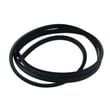
- Look for kinks, clogs, or a sagging loop in the dishwasher drain hose WD24X10062.
If it still will not drain
A restriction is not the only cause. These are the most common next suspects:
| Symptom | Most likely cause | What we recommend |
|---|---|---|
| Hums but no water moves | Jammed or failing drain pump | Inspect/replace the dishwasher drain pump WD19X25622 |
| Drains sometimes, then FTD | Partial clog or intermittent blockage | Recheck hose routing and filter area; clear the air gap (if used) |
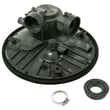
| Fills and washes poorly too | Circulation or sump issue | Inspect the sump area; consider the dishwasher sump and seal assembly WD19X28199 |
Why it matters
When the dishwasher cannot drain, dirty water can recirculate, odors build up, and the control can stop the cycle to protect the pump and prevent overflow.
Helpful reference
For code meaning and related drain faults, use our GE electronic dishwasher error codes guide.
Last updated: February 2026
What is the average lifespan of a GE dishwasher?
A GE dishwasher typically lasts 10 to 12 years with normal household use and basic maintenance. For your GE ZDT985SIN8II, keeping the wash system clean and fixing small issues early (drain, fill, or door-latch problems) helps you reach the high end of that range.
What affects lifespan most
- Water quality (hard water speeds up mineral buildup)
- Filter and sump cleanliness (clogs strain the wash pump)
- Door sealing and alignment (leaks and moisture damage shorten life)
- Proper draining (standing water leads to odors and component wear)
- Heat and drying performance (overheating or weak drying can signal wear)
Maintenance that extends life (simple routine)
- Clean the filter area regularly; replace a worn filter if needed (see dishwasher fine filter assembly WD12X25995).
- Run a monthly cleaning cycle to reduce grease and mineral buildup.
- Check for slow draining and kinks; replace a damaged hose (see dishwasher drain hose WD24X10062).
- Watch for filling issues (slow fill, no fill); a weak valve can cause long cycles and poor cleaning (see dishwasher water inlet valve WD15X26078).
- If the door will not latch consistently, address it quickly to prevent no-start issues (see GE dishwasher door latch lock WD21X10490).
Common “end-of-life” symptoms and what they usually mean
| Symptom | Most common cause | Typical fix path |
|---|---|---|
| Not draining | Clog, failing drain pump | Clear blockage; consider dishwasher drain pump WD19X25622 |
| Not filling | Supply issue, inlet valve | Verify water supply; consider dishwasher water inlet valve WD15X26078 |
| Stops mid-cycle or acts erratic | Control or sensor issue | Check error codes; test components |
| Poor cleaning | Filter/spray issues, low water flow | Clean filter; inspect spray system |
Why it matters
Dishwashers often fail from restricted water flow (dirty filters, weak fill) or drain problems that overwork the pump. Staying ahead of those two areas is the most reliable way to maximize the service life of a GE dishwasher.
For troubleshooting help when the dishwasher displays a code or behaves inconsistently, use GE electronic dishwasher error codes.
Last updated: February 2026
What is the most common problem with GE dishwashers?
For the GE ZDT985SIN8II dishwasher, the most common problems we see are draining issues (water left in the tub), starting problems (door not latching or control not responding), and poor cleaning from restricted water flow. These are often fixed by cleaning filters, checking the drain path, and verifying the door closes firmly.
Most common issues and what they look like
- Not draining: standing water after the cycle, gurgling, or a “cancel/drain” that does little
- Won’t start or stops mid-cycle: lights on but no wash action, beeps, or intermittent operation
- Not cleaning well: gritty residue, cloudy glasses, food left on dishes
- Leaks at the door: water on the floor near the front corners
- Fills slowly or not at all: long pauses early in the cycle, weak spray sound
Quick checks you can do first (no parts)
- Reset power: turn the breaker off for 1 minute, then back on.
- Clean the filter area and sump; remove debris that can block circulation.
- Check the sink drain and garbage disposal inlet (a common hidden clog point).
- Confirm the door closes fully and the latch engages.
- Run hot water at the sink for 30 to 60 seconds before starting a cycle.
Parts that commonly solve these symptoms on this model
If basic cleaning and checks do not help, these model-matched parts are frequent fixes:
| Symptom | Likely area | Model-matched part example |
|---|---|---|
| Water left in tub | Drain system | Dishwasher drain pump WD19X25622 |
| Won’t start, door feels “loose” | Door latch system | GE dishwasher door latch lock WD21X10490 |
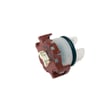
| Poor cleaning, weak spray | Wash system sensing | GE dishwasher pressure sensor WD21X25468 |
| Slow fill or no fill | Water supply | Dishwasher water inlet valve WD15X26078 |
Why it matters
Drain, fill, and latch problems can make the dishwasher appear “dead” even when it has power. Catching a clogged filter, a restricted drain hose, or a failing drain pump early helps prevent odors, standing water, and repeat cycle failures.
For display codes or blinking-light patterns, use our GE electronic dishwasher error codes guide to match the symptom to the most likely circuit or component.
Last updated: February 2026
Can I replace dishwasher parts myself?
Yes, for the GE ZDT985SIN8II dishwasher, we recommend DIY replacement for many common wear parts if you can safely shut off power and water and follow step-by-step instructions. For electrical controls or leak-related repairs, DIY is still possible, but careful diagnosis and safe handling matter.
What you can usually replace yourself
These repairs are typically straightforward with basic hand tools:
- Filters and basic cleaning items (routine maintenance)
- Drain hose (clogs, kinks, or leaks): dishwasher drain hose WD24X10062
- Door latch and strike alignment issues: GE dishwasher door latch lock WD21X10490 and dishwasher door latch strike WD13X10071
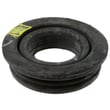
- Tub gasket if you see seepage at the door opening: dishwasher tub gasket WD08X23477
- Rack hardware that’s broken or falling off: dishwasher dishrack roller bracket WD01X35298
Repairs that are DIY, but more advanced
These involve wiring, water connections, or deeper disassembly. We recommend taking photos as you go and labeling connectors.
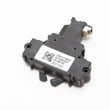
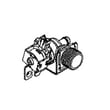
- Not filling or filling slowly: dishwasher water inlet valve WD15X26078
- Not draining (after clearing the filter and hose): dishwasher drain pump WD19X25622
- Poor wash performance tied to circulation or leaks under the unit: dishwasher sump and seal assembly WD19X28199
- Suspected sensor-related fill or wash issues: GE dishwasher pressure sensor WD21X25468
Safety steps we recommend before any repair
- Turn off power at the breaker (do not rely on the control panel)
- Shut off the dishwasher water supply valve
- Place towels under the unit; expect some water in hoses and the sump
- Take a quick photo of wire routing and hose positions before disconnecting
- Run a short test cycle after reassembly and check for leaks
Quick “DIY difficulty” guide
| Repair type | Typical difficulty | Common signs |
|---|---|---|
| Hose, gasket, latch | Easy | Leaks at door, won’t latch, visible damage |
| Inlet valve, drain pump | Medium | No fill, no drain, humming, standing water |
| Control boards, harnesses | Advanced | Dead unit, erratic behavior, repeated error codes |
Why it matters
Choosing the right repair level helps you avoid repeat failures. Many “won’t start,” “not draining,” or “not cleaning” complaints are caused by a small part (latch, hose, filter, pump) rather than the whole dishwasher.
For code-based troubleshooting on GE models, we use GE electronic dishwasher error codes to match symptoms to likely parts and checks.
Last updated: February 2026





