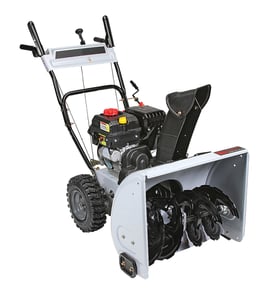


What is the typical lifespan of a gas snowblower?
A typical gas snowblower lasts 10 to 15 years with normal residential use and basic maintenance. For the Signature F2254-010 snow thrower, consistent seasonal care (oil changes, clean fuel practices, and lubrication) pushes lifespan toward the high end and reduces mid-season breakdowns.
What affects lifespan the most
- Maintenance frequency: annual oil change, spark plug checks, and lubrication
- Fuel habits: fresh fuel, correct storage, and draining or stabilizing fuel in the off-season
- Snow conditions: heavy, wet snow and end-of-driveway plow berms increase wear
- Storage: dry storage prevents rust on the auger housing, chute, and fasteners
- Wear parts condition: belts, shear bolts, and bearings take the abuse first
Typical lifespan ranges (what we see most often)
| Usage pattern | Typical lifespan | What usually wears first |
|---|---|---|
| Light use (small driveway, few storms) | 12 to 20 years | belts, friction/drive wear items |
| Average residential use | 10 to 15 years | belts, shear bolts, cables |
| Heavy use (long driveway, frequent storms) | 7 to 12 years | auger/impeller drive parts, bearings |
Maintenance that adds years (high impact)
- Change engine oil at least once per season
- Keep the auger and chute clear of packed snow after use
- Lubricate moving points before and after the season
- Replace worn belts before they slip and overheat
- Keep spare shear bolts on hand and replace only with the correct type
If you are already seeing auger slip, squealing, or reduced throwing distance, start by inspecting the belt and shear bolts; the auger belt 37X120MA and snowblower shear bolt 703057 are common wear items on this model.
Why it matters
A gas snowblower usually does not “wear out” all at once; performance drops as small wear parts (belt, shear bolts, bearings, chute hardware) degrade. Staying ahead of those items keeps the engine and drivetrain from being overloaded, which is what shortens overall life.
Last updated: January 2026
What are common gas snow blower problems?
Common problems on a gas snowblower like Signature model F2254-010 include no-start conditions from stale fuel or a dirty carburetor, poor snow throwing from a clogged chute or worn auger drive, and drive issues from belt wear or cable misadjustment. Many fixes start with fuel, spark, and belt checks.
Quick troubleshooting checklist (most common causes)
- Won’t start: drain old fuel, refill with fresh fuel, check spark plug condition and gap
- Starts then dies: carburetor varnish from old fuel, restricted fuel flow, iced-up intake
- Auger won’t turn: broken shear bolt, loose/worn auger belt, jammed auger/impeller
- Doesn’t drive or slips: worn drive belt, drive cable out of adjustment, traction issues
- Poor throwing distance: wet/heavy snow, clogged chute, impeller packed with snow
- Chute won’t rotate smoothly: retainer ring wear, packed snow/ice, misalignment
Parts that commonly fail (and what they affect)
| Symptom | Likely area | What to inspect first |
|---|---|---|
| Auger stops suddenly after hitting ice/rock | Auger protection | Shear bolts and auger for binding |
| Auger turns slowly or not at all | Auger drive | Belt condition and tension |
| Chute binds or pops out of position | Chute mounting | Retainer rings and fasteners |
| Grinding/noise from front housing | Auger/gearcase | Bearings, gearcase, lubrication |
If the auger will not engage or slips, the auger drive belt is a frequent wear item; match the replacement to your model’s parts list, such as the auger belt 37X120MA.
Safe, high-impact fixes we recommend first
- Shut the engine off, remove the key (if equipped), and wait for all moving parts to stop
- Clear packed snow with a clean-out tool (never hands) and confirm the auger spins freely by hand (engine off)
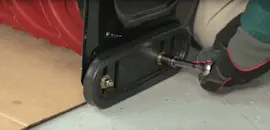
- Replace any broken shear bolts with the correct type (never substitute hardened bolts)
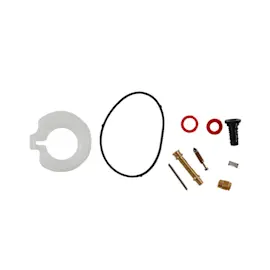
- If fuel is older than 30 days, drain it and run fresh fuel; clean the carburetor if varnish is suspected
- Verify belt routing and engagement; replace stretched or glazed belts
For step-by-step belt service, follow how to replace a snowblower belt video.
Why it matters
Most “major” snowblower failures are simple wear, fuel, or adjustment issues. Fixing them early prevents repeated belt damage, stripped gearcase components, and unsafe auger jams.
Last updated: January 2026
How many horsepower is a 254cc snow blower?
A 254cc snowblower engine is typically rated around 8 to 9.5 horsepower (HP) in older-style marketing terms, but many manufacturers no longer publish HP for snow throwers and instead list cc because “HP” varies by test method. For the Signature F2254-010 snow thrower, use the engine’s model/type label for the most accurate spec.
What you can expect from 254cc (real-world guidance)
Most 254cc 4-cycle snowblower engines deliver strong two-stage performance for average residential snowfalls, especially when the auger and impeller are in good condition.
Common indicators your 254cc engine is performing like it should:
- Starts easily (cold and warm)
- Holds steady RPM under load
- Throws snow consistently without surging
- No excessive black smoke (over-fueling)
- No bogging when the auger engages
Why “cc to HP” is not a perfect conversion
Engine displacement (cc) measures cylinder volume; horsepower depends on RPM, torque curve, governor setting, and how the manufacturer measures output.
Here is a practical way to interpret it:
| Engine size | Typical marketed HP range | Typical use case |
|---|---|---|
| 208cc to 212cc | ~6.5 to 8 HP | Smaller two-stage units, lighter snow |
| 254cc | ~8 to 9.5 HP | Mid-size two-stage, moderate to heavy snow |
| 291cc to 306cc | ~9.5 to 11 HP | Larger two-stage, deeper/heavier snow |
If your snowblower feels weak, check these first
Power complaints are often caused by drive and auger issues, not the engine itself.
- Inspect the auger drive belt for glazing, cracking, or stretching; replace if worn (see auger belt 37X120MA)
- Check for broken or missing shear bolts on the auger; replace only with the correct type (see snowblower shear bolt 703057)
- Confirm the chute and impeller are not packed with ice or debris
- Verify the spark plug condition and gap, then test under load (see how to check a snowblower spark plug video)
- Make sure fresh fuel is used and the choke is fully off after warm-up
Why it matters
Knowing the typical HP range helps you compare performance and diagnose problems. If a 254cc machine suddenly struggles, we focus on belts, shear bolts, and tune-up items before assuming an engine failure.
Last updated: January 2026