Installation guide
 Owner’s manual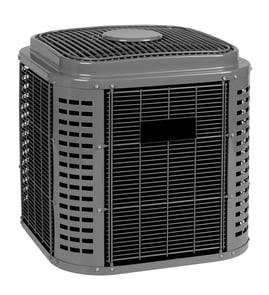





Is it hard to get Carrier parts?
For the Carrier 38TDB048300 split-system air conditioner, getting the right replacement part is usually straightforward when you shop by exact model number and match the part to your unit’s wiring and ratings. The key is identifying the correct component (contactor, run capacitor, fan motor, control board) before ordering.
What makes Carrier parts feel “hard to get”
Carrier systems often have multiple compatible configurations, so the challenge is usually correct identification, not availability.
- The same symptom can point to different parts (capacitor vs. contactor vs. fan motor)
- Electrical parts must match ratings exactly (voltage, microfarads, coil type)
- Some components are model-series specific (controls and circuit boards)
- Outdoor units can have more than one disconnect; power must be off at all points before service
- Thermostat staging and time delays can look like a “no-cool” problem when the system is actually waiting
Parts we commonly see replaced on model 38TDB048300
These are examples of parts available for this model that often relate to common “won’t start” or “fan not running” complaints.
| Symptom | Common suspect part | Example from this model’s parts |
|---|---|---|
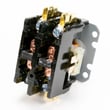
| Outdoor unit will not pull in | Contactor | Contactor (part number HN51KC024) |
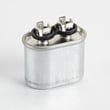
| Hums, hard starts, fan struggles | Run capacitor | Capactr run 12907 |
| Fan not spinning, overheats | Condenser fan motor | Central air conditioner condenser fan motor HC37GE210 |
| Intermittent operation, control issues | Circuit board | Circ board HK38EA013 |
How we recommend confirming the correct part before ordering
Use the wiring diagram and service information for your exact setup, then test safely.
- Shut off power to the indoor unit and the outdoor unit; confirm with a meter before touching wiring
- Compare the failed part’s label to the replacement listing (ratings and terminals)
- If you are testing electrical components, use a meter correctly and document wire positions
- After any service, reinstall access panels and restore power at the disconnect(s)
- Use the procedures and notes in the installation guide for start-up related steps and time delays
Why it matters
Ordering the correct OEM-matched part for your Carrier 38TDB048300 prevents repeat failures, nuisance shutdowns, and compressor strain. A dirty indoor air filter can also overload the system and mimic parts problems, so it is worth checking maintenance items while troubleshooting.
Last updated: February 2026
Can I replace AC spare parts myself?
Yes, you can replace some parts on your Carrier 38TDB048300 split-system air conditioner yourself, but only for tasks that do not involve refrigerant handling or complex electrical diagnostics. For anything beyond basic maintenance or simple component swaps, we recommend using a qualified service technician per the safety guidance in the owner's manual.
What you can usually do yourself (safer DIY)
- Replace or clean the indoor air filter (check every 3 to 4 weeks during heavy use)
- Clear debris around the outdoor condenser unit and keep airflow unobstructed
- Tighten obvious loose cabinet screws (with power off)
- Replace a simple electrical component only if you can safely isolate power and match wiring exactly
Repairs that typically require a technician
These jobs carry higher risk of shock, equipment damage, or refrigerant issues:
- Any refrigerant-line work (leaks, charging, coil replacement)
- Compressor or sealed-system repairs
- Diagnosing control board or low-voltage control problems
- Correcting repeated breaker trips, burnt wiring, or overheating components
If you are replacing an electrical part, do these safety steps first
The manual stresses disconnecting power before removing access panels, and notes there may be more than one disconnect.
- Turn the thermostat system to OFF
- Shut off power at the breaker(s)
- Pull the outdoor disconnect (if equipped)
- Verify power is off with a meter before touching wiring
- Take a clear photo of all wire positions before removing anything
Common DIY-replaceable parts on this model page
| Part | What it does | Common symptom when bad |
|---|---|---|
| Capactr run 12907 | Helps the motor start and run | Humming, hard starts, fan not spinning |
| Central air conditioner condenser fan motor HC37GE210 | Moves air through the outdoor coil | Outdoor fan stops, overheating shutdown |
Why it matters
A dirty filter or blocked airflow can overheat the compressor and blower motor, leading to shutdowns and expensive failures. Safe, routine maintenance prevents many “no cool” calls and extends system life.
Last updated: February 2026
What AC parts are most commonly replaced?
For the Carrier 38TDB048300 split-system air conditioner, the most commonly replaced items are electrical switching and motor-start parts that handle frequent cycling and heat. In our experience, run capacitors, contactors, and condenser fan motors top the list; airflow maintenance prevents many failures.
Most commonly replaced parts (and what they do)
- Run capacitor: helps the compressor and condenser fan motor start and run efficiently.
- Contactor: switches high-voltage power to the outdoor unit when the thermostat calls for cooling.
- Condenser fan motor: moves air across the outdoor coil to remove heat.
- Air filter(s) (indoor unit): protects the blower and helps prevent compressor strain.
- Wiring/connectors: overheated or loose terminals can cause intermittent operation.
Model-matched parts available for this model
These parts are listed for the Carrier 38TDB048300 and are commonly replaced during no-cool or won’t-start complaints:
| Part (model-matched) | What you may notice when it fails | Common symptom |
|---|---|---|
| Capactr run 12907 | Humming, hard starts, fan or compressor struggles | Hard start, weak cooling |
| Central air conditioner condenser fan motor HC37GE210 | Fan not spinning, overheating shutdowns | Overheating, shutdown |
Quick checks that prevent repeat failures
- Disconnect power to both indoor and outdoor units before removing access panels.
- Check the indoor air filter every 3 to 4 weeks during heavy use; replace or clean as needed.
- Inspect wiring for loose spade terminals, heat discoloration, or damaged insulation.
- Keep wiring routed so it does not rub on tubing or sharp sheet metal.
- Keep indoor and outdoor coils clean to maintain airflow and reduce compressor strain.
Why it matters
The owner’s manual notes that a dirty indoor filter can overheat the compressor and blower motor, leading to shutdowns and premature component replacement. Basic airflow and wiring checks protect the most expensive parts.
For safety steps and maintenance intervals, follow the owner's manual.
Last updated: February 2026