Owner’s manual
 Error Codes


Is JennAir considered high end?
Yes. Jenn-Air is considered a high-end (luxury) appliance brand; it is positioned above mainstream lines and is known for premium design, finishes, and feature sets. For your Jenn-Air JF42NXFXDW01 42" built-in refrigerator, that typically means built-in styling, higher-end components, and a stronger focus on fit and finish. See the owner's manual for model-specific features and care guidance.
What “high end” means in practical terms
High-end positioning usually shows up in day-to-day ownership in a few ways:
- Built-in, cabinet-integrated look and tighter installation tolerances
- Premium exterior and interior materials (shelves, bins, trim)
- More advanced temperature management and airflow design
- Quieter operation targets (fan and compressor control)
- Higher parts and service complexity compared to freestanding models
Parts and maintenance you should plan for
Even luxury refrigerators still rely on routine maintenance and common wear items.
- Replace the water filter on schedule to protect taste, odor, and ice clarity
- Flush the water system after filter changes (helps prevent gray or dark ice discoloration)
- Keep condenser areas clean to support efficient cooling
- Watch door sealing and alignment to prevent frost and temperature swings
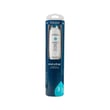
If you need a replacement filter for this model, we list the compatible refrigerator water filter EDR3RXD1.
Quick comparison: luxury built-in vs mainstream freestanding
| Category | Luxury built-in (like JF42NXFXDW01) | Mainstream freestanding |
|---|---|---|
| Installation | More precise, often panel-ready options | Simpler, more forgiving |
| Service access | Tighter spaces, more disassembly | Easier access |
| Parts cost | Typically higher | Typically lower |
| Ownership focus | Design integration + performance | Value + convenience |
Why it matters
Knowing Jenn-Air is high end helps set expectations: parts (like a refrigerator water filter, evaporator fan motor, or temperature sensor) can cost more, and correct maintenance has a bigger payoff in performance, ice quality, and long-term reliability.
Last updated: February 2026
What are the disadvantages of a bottom freezer refrigerator?
A bottom-freezer design like the Jenn-Air JF42NXFXDW01 keeps fresh food at eye level, but the tradeoffs are more bending and lifting for frozen items, a heavier freezer drawer that can wear slides and seals faster, and typically higher purchase and repair costs than simpler top-freezer styles.
Common downsides you may notice day to day
- You bend more often to reach frozen food in the lower basket.
- The freezer drawer gets heavy when fully loaded; it takes more effort to open and close.
- Freezer organization can be harder because items stack in a deep bin or basket.
- Door-open time can increase while you dig for items; that can affect temperature stability.
- Built-in bottom-mount units often cost more to buy and to service (more complex fit and airflow design).
Parts and wear points that matter on bottom-freezer units
The freezer drawer and frequent door movement put extra stress on “moving and sealing” components. If you see frost, warm spots, or the drawer not closing smoothly, check these common areas:
| Symptom | What it often points to | What to check first |
|---|---|---|
| Drawer feels hard to pull | Drawer load or slide wear | Reduce load; inspect drawer alignment |
| Frost buildup in freezer | Air leak or door not sealing | Gasket condition; drawer fully closing |
| Temps swing after openings | Long door-open time | Organize baskets; minimize open time |
A worn or misaligned seal can also contribute to longer run times. The manual notes that high-efficiency compressors and fans may run longer, especially with frequent door openings or warm room conditions; see the owner's manual for operating expectations and care guidance.
Why it matters
Bottom-freezer refrigerators are efficient and convenient for fresh-food access, but the freezer drawer is the “workhorse.” Keeping the drawer gliding smoothly and the seals tight helps prevent frost, reduces compressor run time, and protects food quality.
Last updated: February 2026
What is the life expectancy of a JennAir refrigerator?
Most Jenn-Air refrigerators have a typical life expectancy of 12 to 17 years with normal household use and basic maintenance. For the Jenn-Air JF42NXFXDW01 42-inch built-in refrigerator, following the care and operating guidance in the owner's manual helps you get the longest, most reliable service life.
What affects how long a Jenn-Air refrigerator lasts
Several real-world factors determine whether you land closer to 12 years or closer to 17 (or beyond):
- Condenser cleanliness: dust buildup raises operating temperatures and stresses the sealed system.
- Door seal condition: air leaks force longer run times and can cause temperature swings.
- Airflow inside the cabinet: overpacking blocks vents and reduces cooling performance.
- Water quality and filter changes (if equipped): helps protect the water system and ice maker.
- Room conditions: hot garages, tight built-in clearances, and frequent door openings increase workload.
Maintenance that extends service life (high impact)
We recommend these habits for built-in bottom-mount refrigerators like the JF42NXFXDW01:
- Vacuum and brush dust from the condenser area on a regular schedule.
- Keep door gaskets clean and check for gaps or tears.
- Set stable temperatures and avoid frequent, large adjustments.
- Replace the water filter on schedule; use the correct refrigerator water filter EDR3RXD1.
- Confirm the doors close fully every time (no bins or food packages interfering).
Quick guide: symptoms that shorten lifespan
| Symptom | What it usually points to | What to do first |
|---|---|---|
| Runs constantly | Dirty condenser, airflow restriction, gasket leak | Clean condenser; check vents and seals |
| Warm fridge, freezer OK | Airflow issue, evaporator fan problem | Check for blocked vents; listen for fan |
| No ice or slow ice | Filter restriction, ice maker issue | Replace filter; inspect ice maker fill |
| Loud fan noise | Fan blade or motor wear | Inspect fan area for ice or rubbing |
Why it matters
A built-in 42-inch refrigerator is designed for long-term use, but it depends on efficient heat removal and tight door sealing. Small issues like a clogged condenser or a leaking gasket can add years of extra wear to the compressor and cooling system.
Last updated: February 2026
What are common problems with JennAir refrigerators?
Common problems on the Jenn-Air JF42NXFXDW01 42" built-in refrigerator include warm temperatures from blocked air vents or frequent door openings, ice maker issues tied to water supply or line kinks, normal-but-unfamiliar operating noises, and moisture buildup from humidity or doors being left open. For model-specific checks and control reset steps, use the owner's manual.
Most common symptoms (and what usually causes them)
- Refrigerator or freezer too warm: new installation cool-down time, doors opened often, large warm food load, controls not set cold enough, or air vents blocked.
- Ice maker not making ice or not enough ice: water supply shutoff not fully open, kinked water line, or low water pressure.
- Off-taste, odor, or gray ice: new plumbing connections, ice stored too long, food odor transfer, or a filter that needs flushing or replacement.
- Moisture buildup inside: humid room conditions and frequent door openings.
- Noises that seem “new”: high-efficiency compressor and fans can sound different than older units.
Quick checks we recommend first
- Give it time after setup: allow 24 hours after installation for full cooling.
- Check airflow: clear packages away from interior vents.
- Reduce warm air entry: keep doors fully closed; minimize openings.
- Reset digital controls (if equipped): turn the refrigerator OFF, then ON.
- Confirm water supply: shutoff valve fully open; straighten any kinked water line.
Normal sounds vs. problem sounds
| Sound | Often normal on this model | What it points to |
|---|---|---|
| Buzzing | Yes | Water valve filling ice maker |
| Pulsating | Yes | Fans/compressor adjusting |
| Sizzling/gurgling | Yes | Defrost water hitting heater |
| Loud grinding/squealing | No | Fan blade obstruction or worn fan motor |
Parts that commonly solve these issues
- Water quality or slow ice production: replace the refrigerator water filter EDR3RXD1.
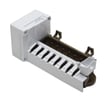
- Ice maker not producing ice (after water supply checks): consider the refrigerator ice maker WPW10277450.
- Warm temps with poor airflow or unusual fan noise: inspect the evaporator fan area; common related parts include the refrigerator evaporator fan motor W11671461 and refrigerator evaporator fan blade WP2169142.
Why it matters
Warm temperatures, restricted airflow, and water supply problems can lead to food spoilage, weak ice production, and longer run times. Addressing vents, door sealing habits, and filtration early prevents repeat issues and protects the sealed refrigeration system.
Last updated: February 2026